


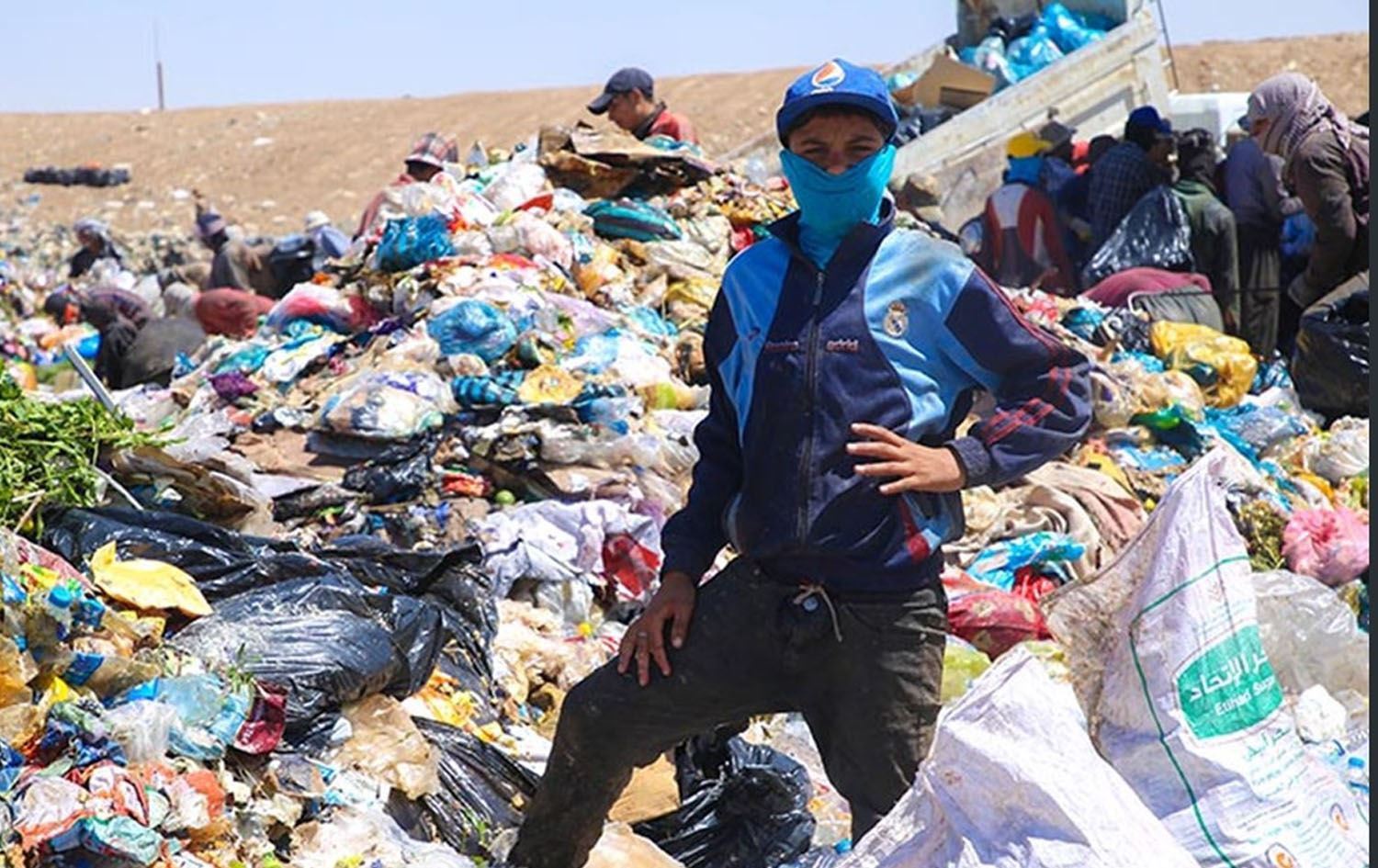
ERBIL, Kurdistan Region - Plastic pollution is an escalating environmental crisis in the Kurdistan Region, environmental experts told Rudaw on Monday, revealing that plastic waste makes up over a quarter of the Region's total waste output.
Diman Jiqsi, an environmental engineer and lecturer at Zakho University, stated that “20 to 27 percent of the waste in the Kurdistan Region - totaling more than 2,700 tons - is plastic, with nylon bags and plastic bottles being the most common items.”
She warned of the long-lasting nature of plastic pollution, noting that plastic materials “do not decompose quickly in the environment” and even after decomposing, microplastics contaminate the soil and water, contributing to long-term ecological damage.
Erbil tops the list of cities in the Region in terms of plastic pollution levels, Jiqsi added. She also cited deteriorating air quality in the Kurdish capital, with high levels of PM2.5 - fine particulate matter harmful to human health.
According to Jiqsi, Erbil has the highest levels of plastic pollution among the Region’s cities. She further noted that air quality in the Kurdish capital is also affected, with elevated PM 2.5 particle levels.
In a separate interview with Rudaw, Jwan Khidr, an environmental science expert at Salahuddin University in Erbil, echoed Jiqsi’s concerns. Referring to a study he participated in, Khidr revealed that the majority of the waste at Erbil's main landfill, Kani Qirzhala, chiefly consists of plastic, nylon, and food waste.
Khidr emphasized the extreme longevity of these materials, stating that the plastic and nylon products commonly used in the Region can take “500 to 1,000 years” to fully decompose.
To address the issue, Khidr urged action at the source of the problem.
“Major steps can be taken to reduce the use of nylon and plastic,” he said, adding that “limits should be placed on the use of nylon bags in shops and markets, as their widespread use leads to significant daily waste.”
He recommended the adoption of environmentally friendly alternatives such as mesh bags, baskets, and paper containers.
Plastic pollution in the Kurdistan Region reflects broader environmental challenges facing Iraq as a whole, including rapid urbanization, limited waste management infrastructure, and the rampant use of single-use plastics.
While local authorities have launched recycling initiatives and public awareness campaigns, experts argue that stronger policies and greater public cooperation are essential to prevent long-term environmental harm.


Comments
Rudaw moderates all comments submitted on our website. We welcome comments which are relevant to the article and encourage further discussion about the issues that matter to you. We also welcome constructive criticism about Rudaw.
To be approved for publication, however, your comments must meet our community guidelines.
We will not tolerate the following: profanity, threats, personal attacks, vulgarity, abuse (such as sexism, racism, homophobia or xenophobia), or commercial or personal promotion.
Comments that do not meet our guidelines will be rejected. Comments are not edited – they are either approved or rejected.
Post a comment