
ERBIL, Kurdistan Region - Top Kurdistan Region leaders warned on Tuesday that clashes between the Syrian army and the Kurdish-led Syrian Democratic Forces (SDF) threaten regional stability and the resurgence of Islamic State (ISIS.)
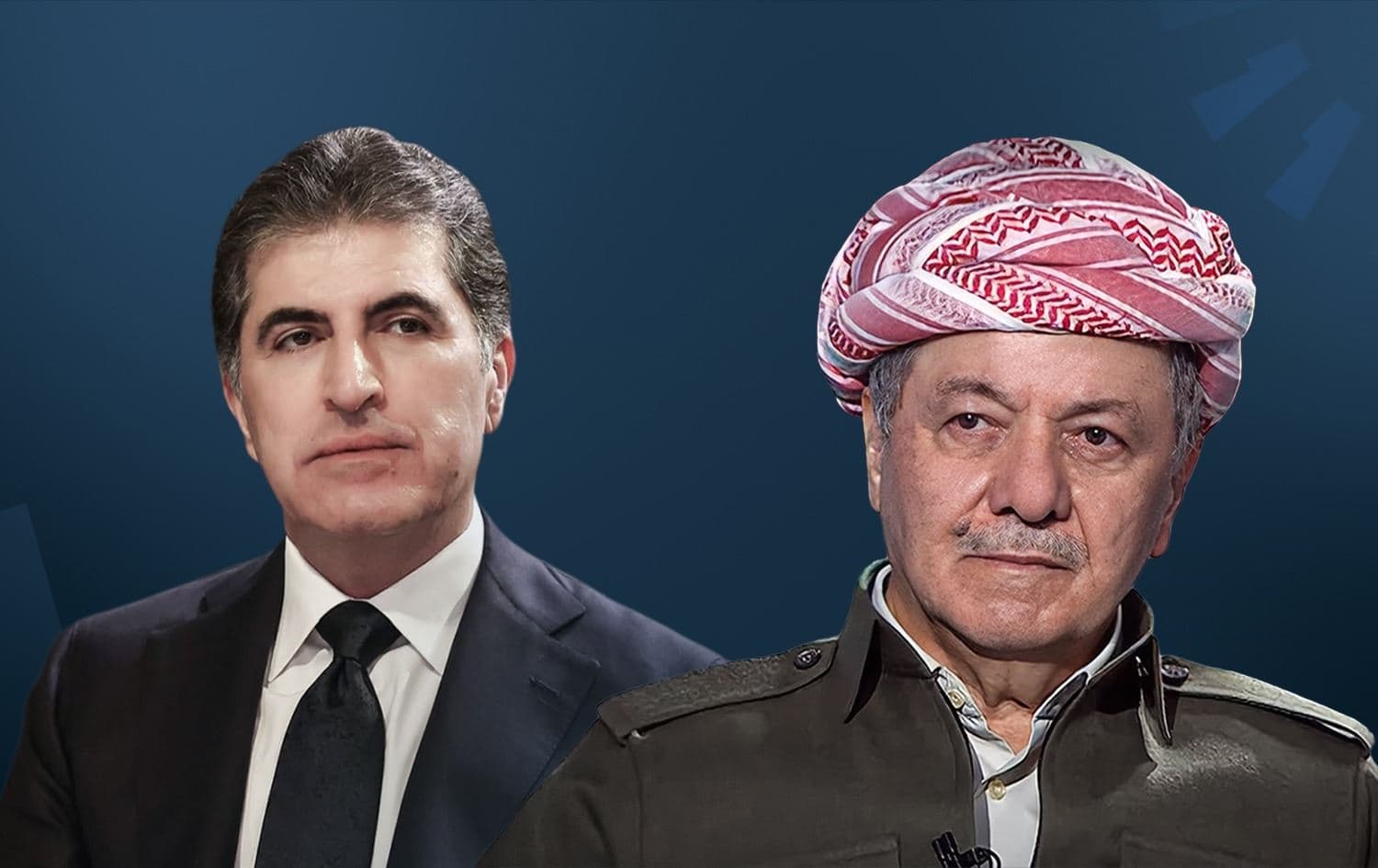
Kurdistan Democratic Party (KDP) leader Masoud Barzani and Kurdistan Region President Nechirvan Barzani pressed for international intervention and said Kurdish leaders were prepared to assist in mediating a ceasefire as Syrian forces advanced on Kurdish-held territory including former ISIS strongholds in Syria.
“We in the Kurdistan Region view with great concern the ongoing clashes and military confrontations between the Syrian Army forces and the SDF,” Kurdistan Region President Nechirvan Barzani said in a statement. “The continuation of the fighting and conflict poses a serious threat to the peace and stability of Syria and the region as a whole, and raises the risk of an ISIS resurgence,” he added.
He noted that Kurdistan Region officials were engaging in diplomatic efforts to end the violence.
“Since the onset of these tensions, we have been in constant contact with regional and international parties to halt the conflict and promote dialogue and understanding for a peaceful resolution to these issues,” he said.
"War and military confrontation do not solve any problems; they only further complicate the situation,” he maintained.
Ceasefire collapse
Syrian President Ahmed al-Sharaa announced an agreement with the SDF to place Kurdish-run oil fields, territory and prisons under central government control on Sunday without providing a timeline or plans. Hours later, a ceasefire collapsed as the SDF said it was coming under attack from Damascus-allied armed groups who were seizing control of towns, oil fields, prisons, a major dam and other infrastructure as they advanced on the Kurdish-held northeast.
Nechirvan Barzani urged the US-led international military coalition against ISIS, which allied with the SDF to defeat and contain ISIS in Syria for over a decade, to intervene.
“We call upon the International Coalition to fulfill its duty in maintaining stability and preventing the re-emergence of ISIS,” he said.
ISIS prisoners escaped after attacks on the SDF-run prisons and the SDF said it moved forces securing a notorious ISIS refugee camp to protect Kurdish-run territory on Tuesday.
He reiterated that Kurdish leaders are ready to assist in stopping the fighting. One of the region’s most influential leaders, KDP leader Masoud Barzani, has repeatedly called for deescalation and met with Sharaa, SDF commander Mazloum Abdi and US Syria Envoy Tom Barrack as the conflict flared.
“We reaffirm our readiness to provide all necessary assistance and support to stop the fighting and reach a ceasefire and agreement. We emphasize that the rights of the Kurds and all other communities in Syria must be protected and guaranteed in the future Syrian constitution,” Nechirvan Barzani said.
Masoud Barzani calls for ‘comprehensive ceasefire’
In his statement, KDP leader and longtime Kurdish President Masoud Barzani urged restraint and responsibility.
“We are closely and with great concern monitoring the latest developments and events in Syria and Rojava," he said.
Given the "sensitive situation, all parties must act responsibly and avoid emotional reactions to ensure no harm comes to our brothers and sisters in Rojava, as that would be absolutely unacceptable,” he said.
Barzani also warned of the risk of ISIS’s return and called on the international community to intervene.
“Within this complex situation, there is a risk of a resurgence of ISIS and terrorism, which in itself poses a very serious threat to the stability and security of the region,” the KDP leader noted.
“We call upon the international community and the allies to fulfill their responsibilities, ensure that tensions and clashes are halted immediately, a comprehensive ceasefire is declared, and issues are resolved through peaceful means and dialogue,” he said.
.png&w=3840&q=75)