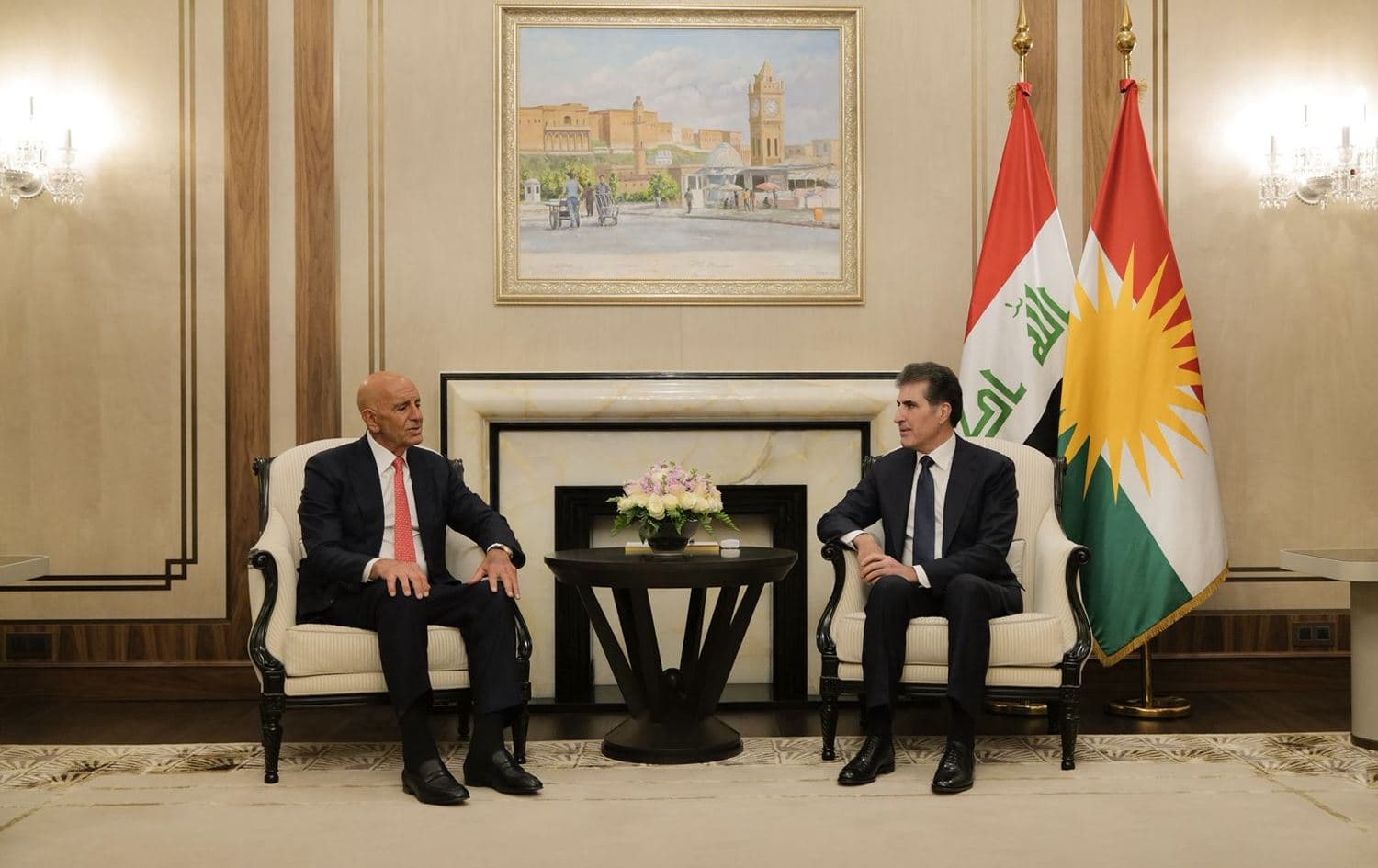

ERBIL, Kurdistan Region - Kurdistan Region President Nechirvan Barzani on Saturday received US Special Envoy to Syria Tom Barrack and Mazloum Abdi, commander-in-chief of the Kurdish-led Syrian Democratic Forces (SDF), in Erbil as Washington continues efforts to de-escalate tensions between the SDF and Damascus.
"The meeting focused on the situation in Syria and the latest political and military developments. Both sides agreed that military solutions cannot resolve the conflicts, and that achieving peace and stability requires all parties to turn to dialogue and mutual understanding," read a statement from the Kurdistan Region Presidency.
"The importance of resolving Syria’s crises for the stability of the region, the relations between the Kurdistan Region and the United States, and the latest regional developments were also key topics of the meeting," it added.
According to a separate statement from the Presidency, Barzani and Abdi discussed the latest developments in Syria, including clashes between the Syrian Arab Army and the SDF. The statement said emphasis was placed on “the necessity of establishing peace and ending military tensions and violence,” given Syria’s current situation.
“Both sides also agreed on the importance of dialogue as the only way to peacefully resolve issues and achieve peaceful coexistence among the components of the new Syria,” the statement said.
The talks also addressed “practical steps to restore stability to areas affected by war and clashes,” as well as broader exchanges of views on the overall situation in Syria.
Kurdistan Region President Nechirvan Barzani on Saturday received SDF chief Mazloum Abdi in Erbil. pic.twitter.com/U5so95TbL8
— Rudaw English (@RudawEnglish) January 17, 2026
The statement added that the visiting delegation expressed gratitude for Barzani’s role and efforts with relevant parties to preserve peace and stability and prevent further escalation.
Mohammed Ismail, head of the Kurdish National Council (ENKS/KNC), an umbrella group of Kurdish opposition parties in northeast Syria (Rojava), also attended the Barzani-Abdi meeting.
This meeting comes as fighting between the SDF and the Syrian Arab Army continues despite a ceasefire brokered by the United States and other international actors.
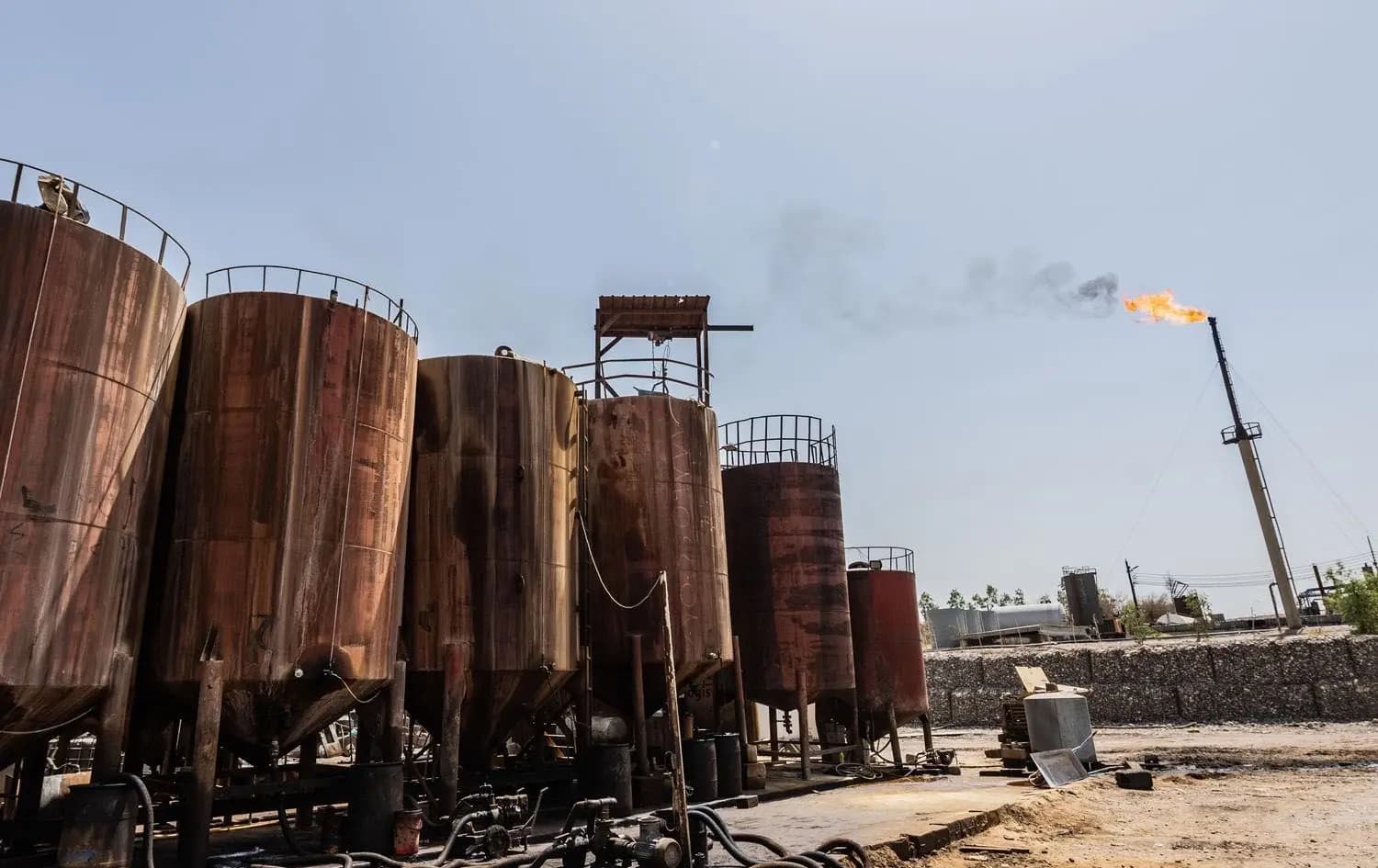
In a statement, the SDF said it was fighting Syrian army forces and affiliated groups in the al-Rasafa area, while reinforcing defensive positions to prevent further advances. The group also said clashes were ongoing at the Thawra oil field near Tabqa, in Raqqa province.
Earlier on Saturday, the Syrian Arab Army said it had taken control of several oil fields in the SDF-held Tabqa area.
The Syrian military also launched fresh attacks on SDF positions in Deir Hafer and surrounding areas in eastern Aleppo province, according to the Kurdish-led force, despite the ceasefire. Under the truce, the SDF had agreed to withdraw fighters from three areas west of the Euphrates River, a move it described as a goodwill gesture aimed at preventing further escalation.
However, the SDF accused Damascus of violating the ceasefire by launching new attacks while its forces were preparing to withdraw to areas east of the Euphrates.
Updated at 10:02 pm