


Kurdistan

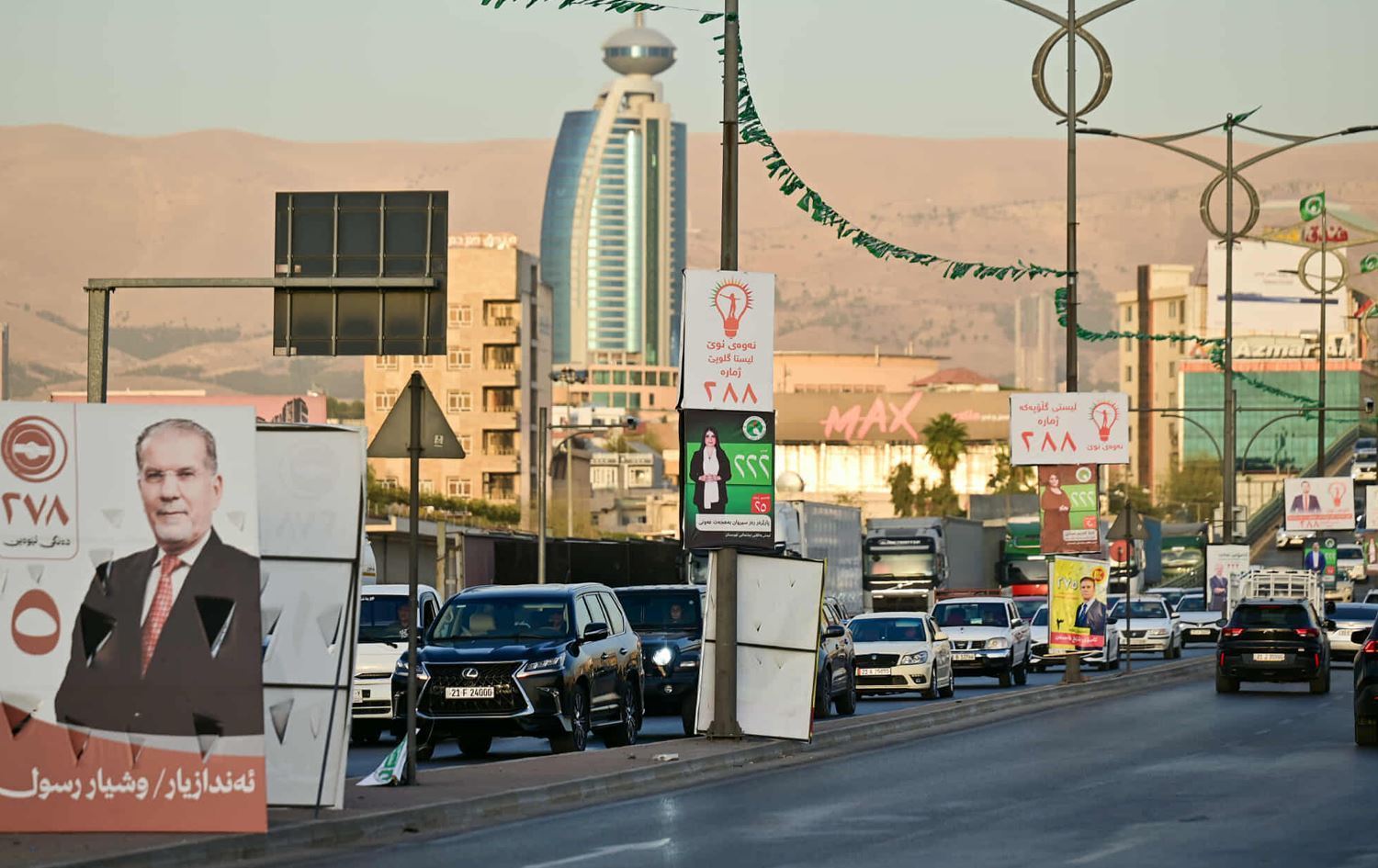
Undated picture of candidate posters lining a major thoroughfare in Sulaimani, east of the Kurdistan Region. Photo: Rudaw
ERBIL, Kurdistan Region - As Iraq’s November legislative elections approach, the mood in the Kurdistan Region’s eastern Sulaimani province is reflecting a mix of political frustration and enduring faith in the power of the people’s will.
Sulaimani is a traditional bedrock of the Patriotic Union of Kurdistan (PUK). Participating in Rudaw’s special election coverage - the program Who is Stronger (Ke Baheza in Kurdish) - the province’s residents voiced harsh criticism toward both the Kurdistan Regional Government (KRG) and the Iraqi federal government, citing persistent failures in providing basic services and infrastructure.
“Nothing has been done for Sulaimani - no strategic projects, no proper infrastructure, and no solution for unemployment,” said one participant.
Another voter described campaign promises as “all lies,” and declared he would not participate in the election, adding, “No real change ever happens.” An elderly man responded that only “about 50 percent” of previous campaign pledges had been fulfilled.
Ke Baheza also highlighted the long-running rivalry between the Kurdistan Region’s two ruling parties - the PUK and the Kurdistan Democratic Party (KDP).
Some PUK supporters said they would continue supporting the PUK given its history. "Sulaimani is the PUK’s stronghold, and it will remain that way,” they maintained.
Others, however, expressed openness to the KDP, praising its governance record in Erbil. “Let’s give them a shot - maybe they can make a difference!” one participant said.
A third group of voters advocated for a more unified vision of the Kurdistan Region. “As a proud member of the KDP, for us, we see Kurdistan as one region - there is no difference,” said one supporter from Sulaimani.
Iraq is set to hold its legislative elections on November 11.
According to Iraq’s Independent High Electoral Commission (IHEC), a total of 7,768 candidates will compete for 329 parliamentary seats, including nine seats reserved for minorities. The candidates represent 31 political alliances, 38 parties, 23 independents, and 56 minority quota nominees.
Over 39,000 polling stations will be set up across 8,703 centers for the general vote, with an additional 4,501 stations designated for special voting. Displaced persons will cast ballots at 97 polling stations located in and around camps in the Kurdistan Region.
More than 21 million Iraqis are eligible to vote, following a nationwide update of biometric voter registration data.
The election campaign period will continue until November 8.


Comments
Rudaw moderates all comments submitted on our website. We welcome comments which are relevant to the article and encourage further discussion about the issues that matter to you. We also welcome constructive criticism about Rudaw.
To be approved for publication, however, your comments must meet our community guidelines.
We will not tolerate the following: profanity, threats, personal attacks, vulgarity, abuse (such as sexism, racism, homophobia or xenophobia), or commercial or personal promotion.
Comments that do not meet our guidelines will be rejected. Comments are not edited – they are either approved or rejected.
Post a comment