
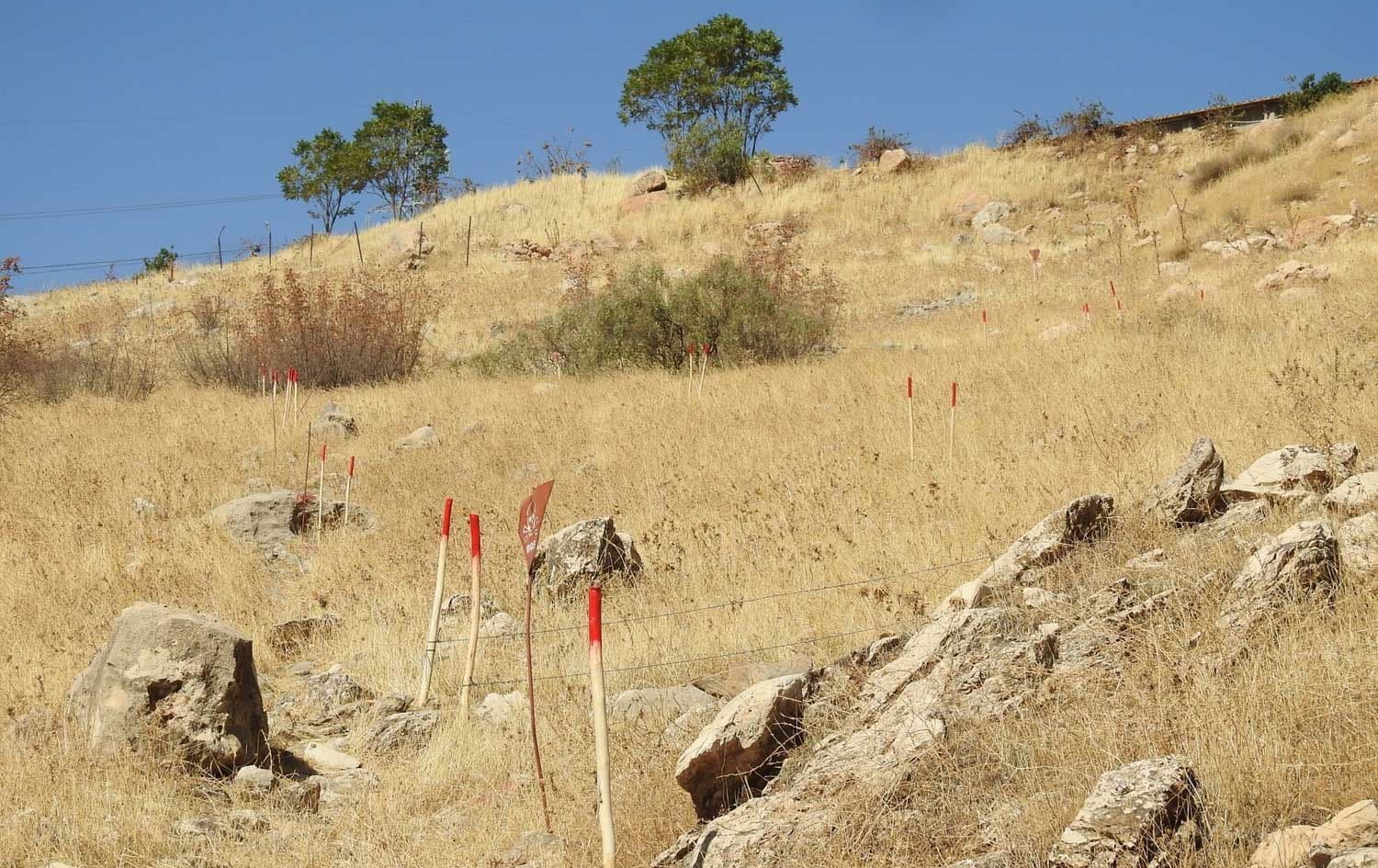

ERBIL, Kurdistan Region - At least 12 people have been killed and 16 others injured by landmines and explosive remnants of war in the Kurdistan Region since the beginning of this year, the Region’s Mine Action Agency (IKMAA) announced.
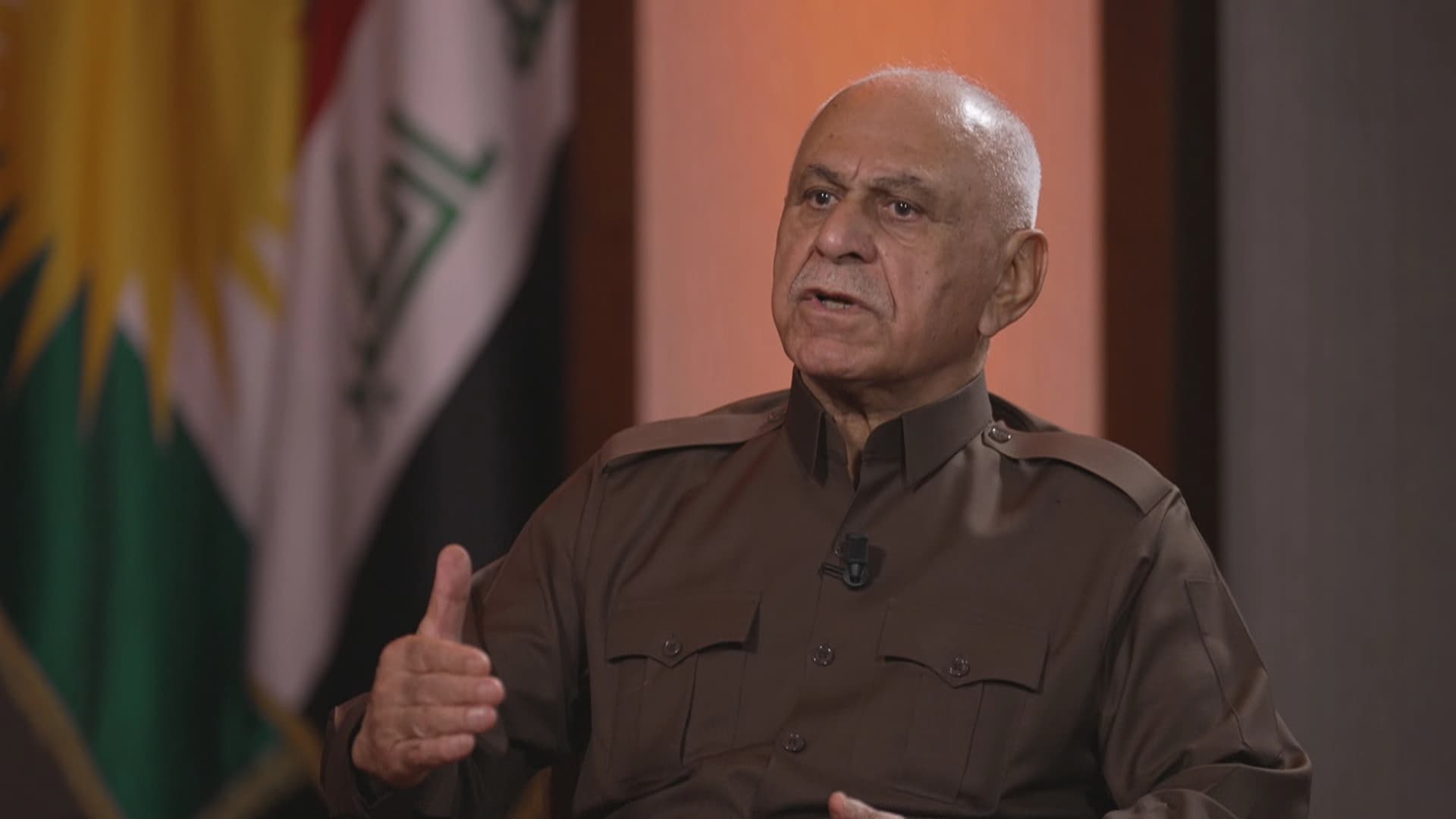
Head of the IKMAA, Jabar Mustafa, told Rudaw on Monday that a total of 28 people have fallen victim to landmines and unexploded ordnance in 2025, marking a sharp rise compared to the previous year.
"The number of victims this year has doubled compared to last year," Mustafa said, with threats posed by leftover explosives remaining severe despite ongoing clearance efforts.
Mustafa attributed the increase in the number of casualties to "citizen negligence and failure to follow our instructions."
According to figures released by the IKMAA, Sulaimani province recorded the highest number of casualties, with 16 victims - 12 injured and four killed. Erbil province followed with 10 casualties, including six deaths and four injuries. One death was also reported in Duhok province, while another was recorded in Sulaimani's Garmiyan administration.
Providing a breakdown by gender and age, Mustafa noted that men make up the majority of the victims.
"Out of the total, 26 victims are male and only two are female," he said, adding that "23 of the victims are adults over the age of 18, while five are children under the age of 14."
The latest figures represent a significant increase from 2024, when landmine explosions caused 11 casualties in the Region, including seven injuries and four deaths.
The announcement comes a day after two separate mine explosions in Sulaimani province injured a shepherd and killed 25 sheep and goats, after one mine detonated among a flock in the Sangasar sub-district of Pishdar district while another exploded near a shepherd in the village of Mergapan.
Mustafa stressed that the problem is longstanding, noting that landmines have claimed thousands of lives over the past decades.
"Since 1992, a total of 13,600 people have become victims of landmines and explosive remnants of war," he said.
Landmines and unexploded ordnance remain a persistent threat in parts of Iraq and the Kurdistan Region, decades after they were planted during the Iraq–Iran war.
Data from the Directorate of Mine Action at the Iraqi Ministry of Environment show that more than 4,500 square kilometers of land across Iraq and the Kurdistan Region have been cleared of mines since 2003.
However, large areas remain unsafe. Around 2,300 square kilometers of land in Iraq are still contaminated with mines, approximately 200 square kilometers of which lie within the Kurdistan Region, continuing to pose serious risks to civilians.

.jpeg&w=3840&q=75)