Kurdistan
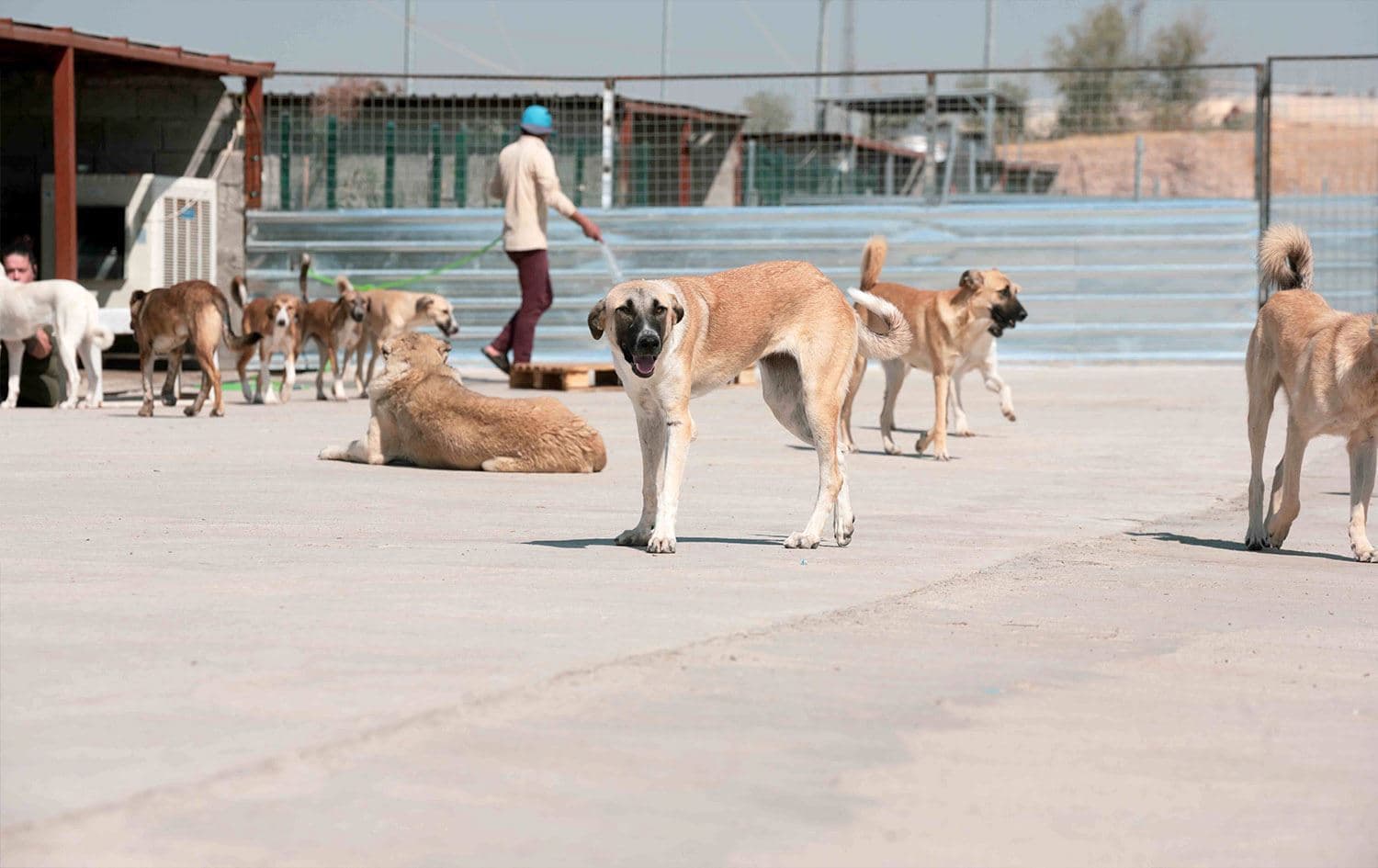
Stray dogs are seen at a shelter in Erbil in October 2020. File photo: Bilind T. Abdullah/Rudaw
ERBIL, Kurdistan Region - Authorities in Erbil have collected 18,000 stray dogs as part of an ongoing campaign to counter the city’s stray population, a local official said on Monday, and 9,000 dogs have been released after being neutered.
“Since the beginning of the campaign, 18,000 stray dogs have been collected and 9,000 of them have been released after surgery and vaccination,” Zhyar Jalal, head of Erbil’s services and environmental protection directorate, told Rudaw.
Jalal said that while around 50 stray dogs are collected daily, “veterinarians can only perform surgery on 10 to 15 dogs per day, which has somewhat slowed the process.”
A stray dog shelter was built in Erbil in 2023 at a cost of over 480 million dinars (around $320,000). It is located on the Erbil-Gwer road.
According to Jalal, nearly 10 tons of food are given to dogs in shelters daily, including chicken legs, heads, and wings.
But dog shelters in Erbil and Zakho have been reported to suffer from overcrowding and a lack of food, leading to poor conditions and many of the animals dying.
Many people and environmental advocates have expressed concern over the potential for abuse during the campaign to collect stray dogs.
The high number of stray dogs in Kurdistan Region cities remains a long-standing concern, with population control efforts often facing criticism from animal rights organizations. Dog shelters in Erbil and Zakho have been reported to suffer from overcrowding and a lack of food, leading to poor conditions and many of the animals dying.
Violence against stray dogs is rife in the Kurdistan Region, with the animals often considered a menace and a public health risk. They are commonly shooed away, beaten, hit with sticks, and killed by cars and gunshots.
An estimated 30,000 stray dogs roam within Erbil province, according to statistics provided by Jalal.
Solin Hamadamin contributed to this report.
“Since the beginning of the campaign, 18,000 stray dogs have been collected and 9,000 of them have been released after surgery and vaccination,” Zhyar Jalal, head of Erbil’s services and environmental protection directorate, told Rudaw.
Jalal said that while around 50 stray dogs are collected daily, “veterinarians can only perform surgery on 10 to 15 dogs per day, which has somewhat slowed the process.”
A stray dog shelter was built in Erbil in 2023 at a cost of over 480 million dinars (around $320,000). It is located on the Erbil-Gwer road.
According to Jalal, nearly 10 tons of food are given to dogs in shelters daily, including chicken legs, heads, and wings.
But dog shelters in Erbil and Zakho have been reported to suffer from overcrowding and a lack of food, leading to poor conditions and many of the animals dying.
Many people and environmental advocates have expressed concern over the potential for abuse during the campaign to collect stray dogs.
The high number of stray dogs in Kurdistan Region cities remains a long-standing concern, with population control efforts often facing criticism from animal rights organizations. Dog shelters in Erbil and Zakho have been reported to suffer from overcrowding and a lack of food, leading to poor conditions and many of the animals dying.
Violence against stray dogs is rife in the Kurdistan Region, with the animals often considered a menace and a public health risk. They are commonly shooed away, beaten, hit with sticks, and killed by cars and gunshots.
An estimated 30,000 stray dogs roam within Erbil province, according to statistics provided by Jalal.
Solin Hamadamin contributed to this report.

Comments
Rudaw moderates all comments submitted on our website. We welcome comments which are relevant to the article and encourage further discussion about the issues that matter to you. We also welcome constructive criticism about Rudaw.
To be approved for publication, however, your comments must meet our community guidelines.
We will not tolerate the following: profanity, threats, personal attacks, vulgarity, abuse (such as sexism, racism, homophobia or xenophobia), or commercial or personal promotion.
Comments that do not meet our guidelines will be rejected. Comments are not edited – they are either approved or rejected.
Post a comment