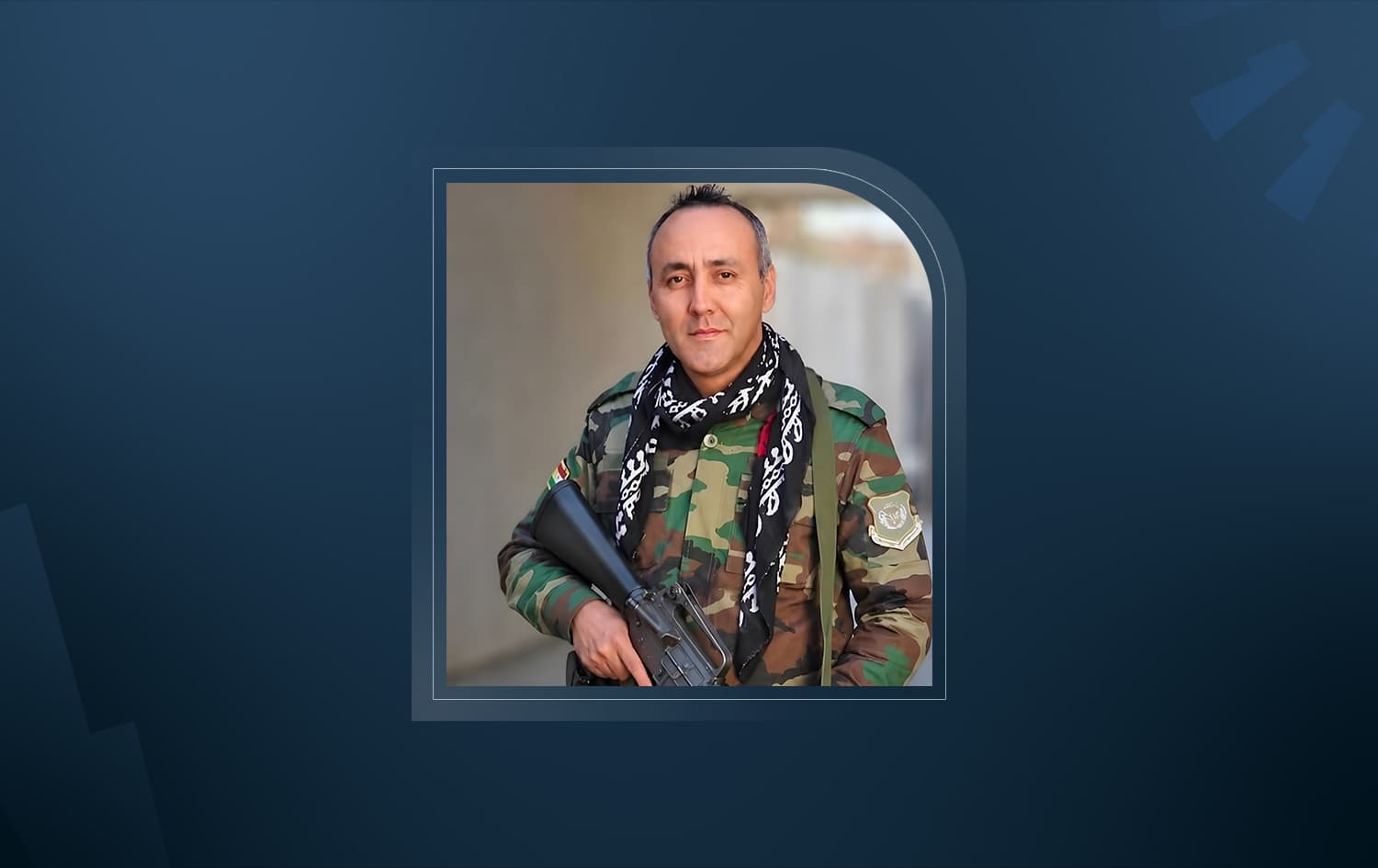
Truck driver Shwan Warti said trade flows have rebounded in recent weeks.
“For about 15 to 20 days now, the situation has returned to normal, thank God. There is a high volume of goods and everything is in excellent condition. The loads mostly consist of fruit, tomato, ice cream… No shortages have occurred because of this [recent] situation,” he told Rudaw.
The Haji Omaran crossing, located in Erbil province, is a key trade gateway between Iran and the Kurdistan Region. It is among several crossings facilitating trade between the two sides, alongside Parvizkhan and Bashmakh.
Iran remains a major trading partner for Iraq and the Kurdistan Region, with billions of dollars in goods exchanged annually, ranging from food products to construction materials and consumer goods.
The US-Israel war with Iran, which began on February 28 and has been paused following a truce, had crippled traffic at the border crossing, disrupting supply chains and slowing the movement of goods.
The war in Iran has spiked prices, according to Shahab Khalil, who recently traveled to the Kurdistan Region.
“Prices have started to rise [in Iran], and the cost of food has gone up. It’s reached the point where the baker asks for the bread bag back—otherwise, they’ll take back four loaves of bread in exchange for the bag,” he said.
Despite the challenges, cross-border movement has resumed, with some Iranians traveling to the Kurdistan Region to purchase goods, as prices are lower compared to back home.
Andam Jabar contributed to this article.