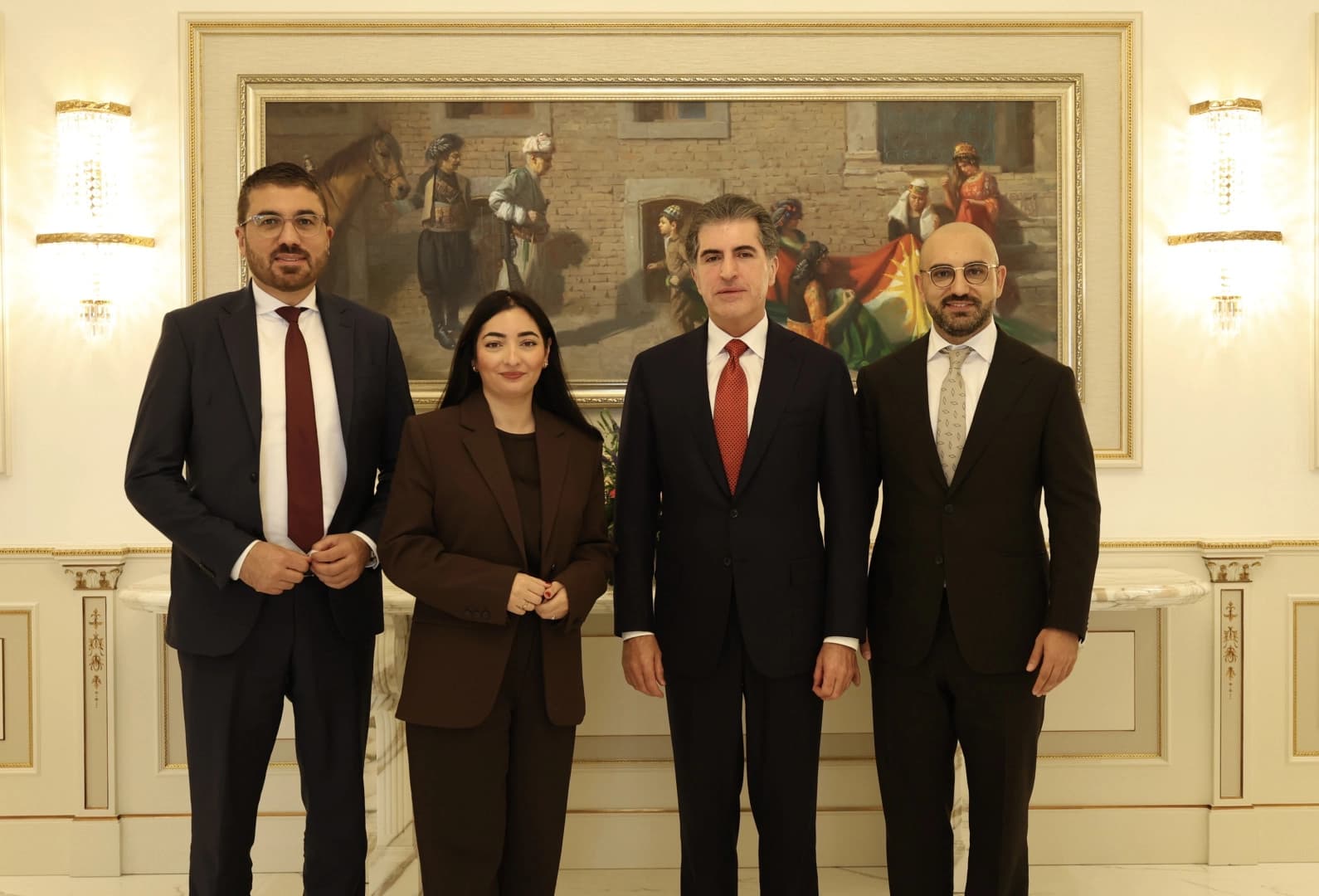
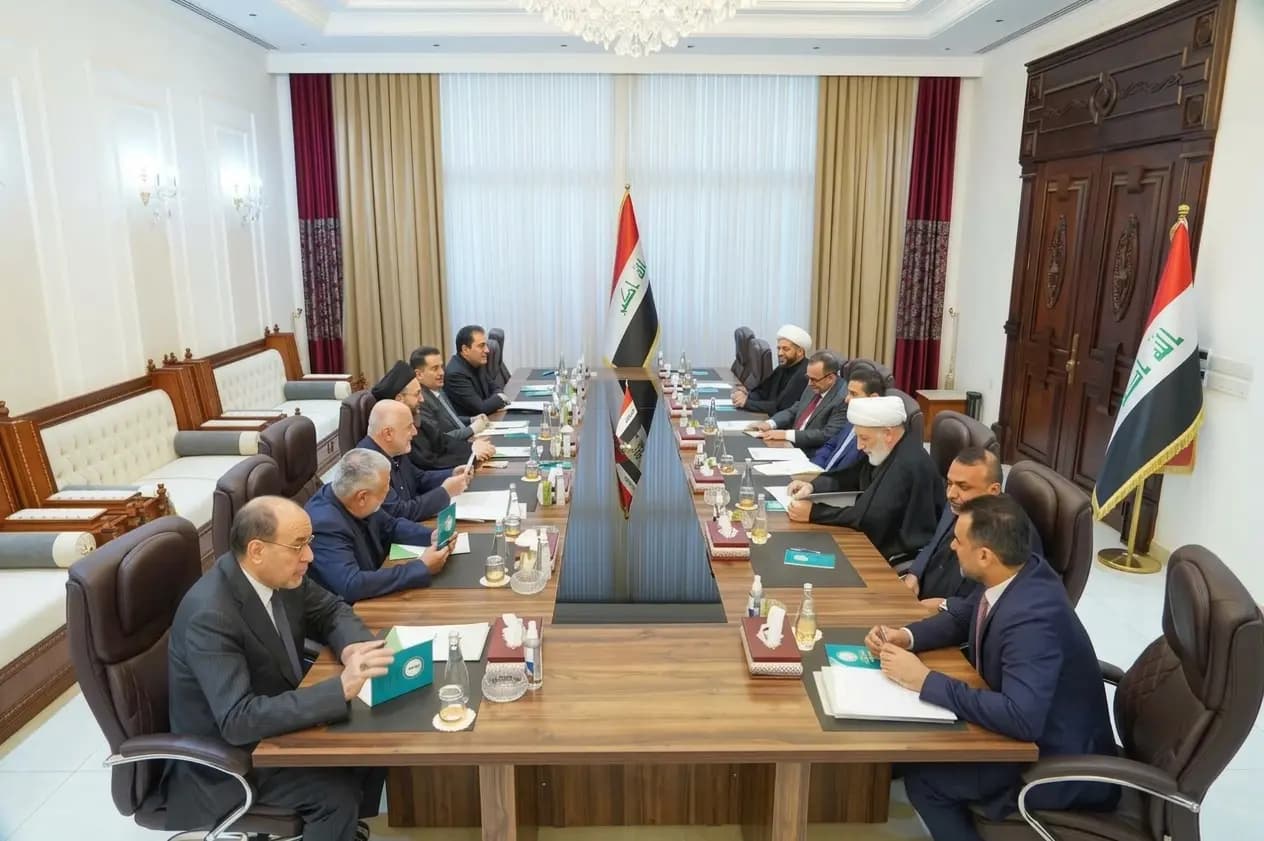
ERBIL, Kurdistan Region - Kurdistan Region President Nechirvan Barzani on Monday met with Iraq’s former deputy prime minister Rafi al-Issawi to discuss ongoing political developments, relations between Baghdad and Erbil, and broader regional tensions, according to a statement from the Kurdistan Region Presidency.
President Barzani and Issawi “emphasized the importance of distancing Iraq from regional conflicts and complications,” preserving “the country's peace and stability.”
The meeting comes in the aftermath of regional conflict that began on June 13, when Israeli airstrikes inside Iran resulted in the deaths of several senior military commanders and nuclear scientists. In retaliation, Iran launched missile and drone attacks on Israel.
The situation escalated further on June 20, when the United States struck three of Iran's key nuclear facilities - Fordow, Isfahan, and Natanz. Iran responded the following day by launching ballistic missiles at al-Udeid Air Base in Qatar, the largest US military base in the region.
US President Donald Trump brokered a ceasefire between the two sides on Tuesday, which appears to be holding.
Throughout the conflict, both the Iraqi federal government and the Kurdistan Regional Government (KRG) consistently called for de-escalation and rejected the use of Iraqi airspace to launch attacks on Iran.
At the domestic stage, President Barzani and Issawi underscored the need to resolve outstanding issues between Erbil and Baghdad through dialogue and within the framework of the Iraqi constitution to maintain national stability.
Tensions between Erbil and Baghdad intensified in late May when the federal finance ministry suspended all budget transfers to the KRG, including the salaries of more than 1.2 million public employees. The ministry cited the KRG's alleged overspending beyond its 12.67 percent share of the 2025 federal budget.
Kurdish political parties have strongly condemned the suspension, describing it as unconstitutional and politically driven.
However, there are signs of progress. Rudaw learned on Sunday that recent discussions between Erbil and Baghdad have taken place in a “calmer environment,” with informed sources from both sides confirming a break in previously heightened tensions.