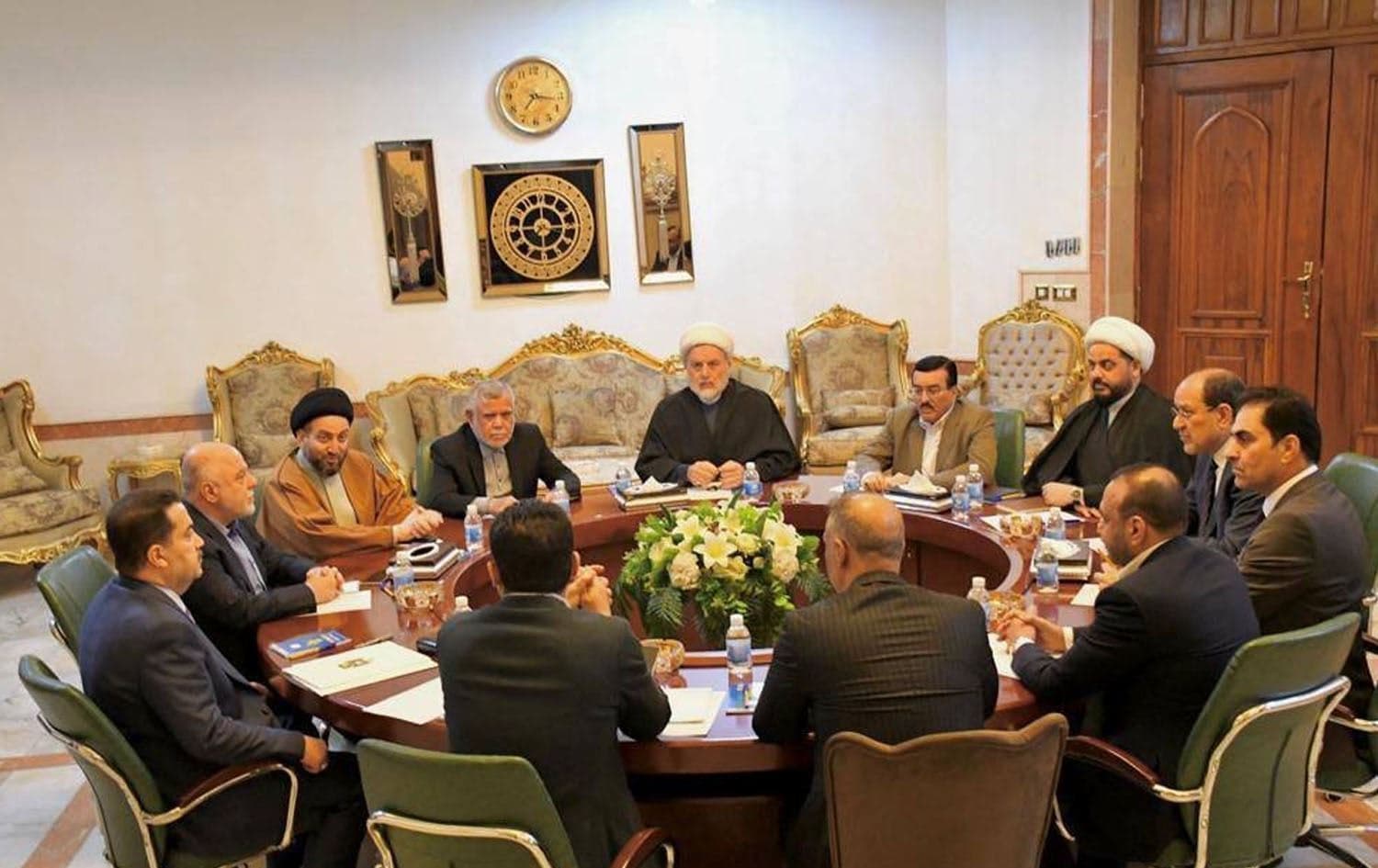

ERBIL, Kurdistan Region - Iraq’s ruling Shiite-led Coordination Framework on Thursday firmly rejected any attempt to use Iraqi territory to launch military attacks against Iran, amid escalating unrest in the Islamic Republic and repeated threats by US President Donald Trump to strike Tehran.
In a statement, the Coordination Framework said the region could not withstand another military confrontation, particularly as the region grapples with economic pressures and falling oil prices.
“The region does not bear any renewed military rivalry, especially given the ongoing economic challenges and the drop in oil prices,” the statement read. “We therefore reject the use of Iraqi soil to attack any other country, especially the Islamic Republic of Iran.”
Government reaffirms neutrality
Separately, Iraq’s Joint Operations Command (JOC) echoed the position, stressing that Baghdad will not allow its territory, airspace, or territorial waters to be used as a staging ground for military action against any country.
“In light of the rapidly evolving regional developments and escalating threats affecting security and stability, the Republic of Iraq reaffirms its firm and principled stance rejecting the use of its territory, airspace, or territorial waters as a launching pad for military operations targeting any state,” JOC spokesperson Sabah al-Numan said in a statement.
Numan added that Iraq is fully committed to preventing its territory from being used to threaten neighboring countries or draw the country into conflicts that do not serve the interests of the Iraqi people.
The Iraqi government also called on all parties to exercise restraint, prioritize dialogue, and resolve disputes through peaceful and diplomatic means in accordance with international law and the United Nations Charter.
Unrest continues in Iran
Iran has been gripped by widespread nationwide protests since late December.
Thousands of protesters and security personnel are believed to have been killed, although an internet blackout and disrupted communications have made it difficult to independently verify casualty figures.
Amnesty International on Wednesday described the killing of protesters as a “massacre” and called for urgent global diplomatic action “to signal an end to impunity” in Iran.
US pressure and sanctions
Trump said on Wednesday that he had been informed that killings linked to Iran’s crackdown were easing and indicated there was no current plan for large-scale executions.
His comments marked a shift to a wait-and-see approach following earlier threats of possible US intervention.
After Iran’s foreign minister Abbas Araghchi said there were “no plans” to carry out executions, Iranian state media reported Thursday that a 26-year-old man arrested during protests in the city of Karaj would not receive the death penalty.
Despite this, the Trump administration announced new Iran-related sanctions, targeting more than a dozen individuals and entities, according to the US Department of the Treasury.
Meanwhile, Iran’s Defense Minister Aziz Nasirzadeh said the government was using all its capabilities to “suppress the savage armed terrorists” it claims are behind the unrest.