


Middle East

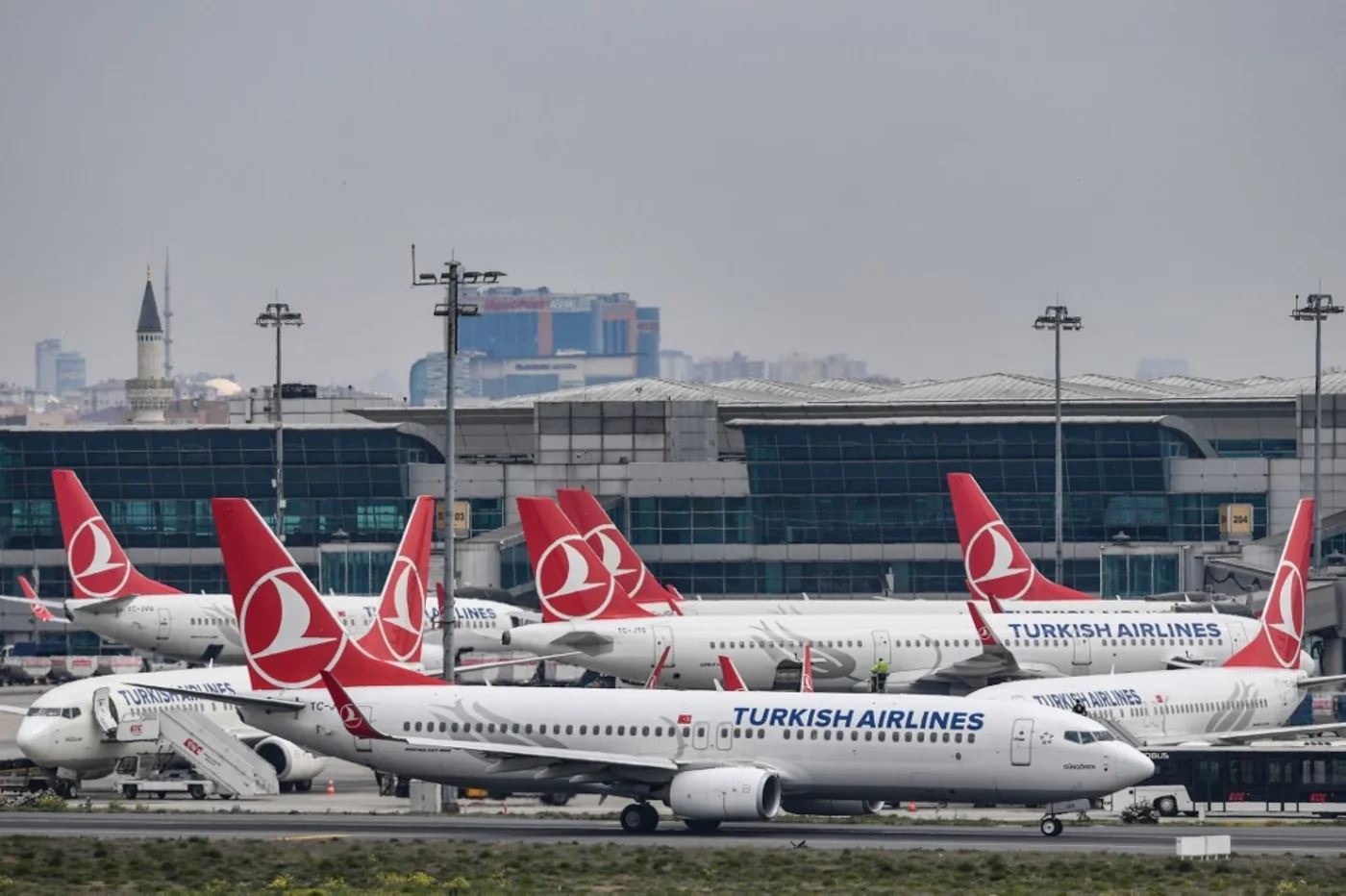
Turkey's national flag carrier flies to over 330 destinations in 128 countries, the third most in the world after United Airlines and American Airlines. AFP file photo
ERBIL, Kurdistan Region - An Iraqi aviation official said on Thursday that Turkey had suspended all flights to and from Iraq “until further notice,” a claim denied by Ankara.
According to the Iraqi Airports Authority, Turkish authorities informed Iraq earlier in the day that all flights between the two countries had been halted, though no reason was provided for the decision.
“We were informed by the Turkish side of the suspension of all flights from Turkey’s airports to Iraq and vice versa,” Ahmed Waheed, head of the communications and media department at the Iraqi Airports Authority, told Rudaw. He added that the suspension would remain in effect “until further notice.”
Waheed said Iraqi officials had not received any explanation for the move, noting that the last passenger flight departing Baghdad and entering Turkish airspace took place at 1:17pm on Thursday.
However, Turkey’s Directorate of Communications rejected the Iraqi account, saying reports of a suspension were inaccurate.
“Claims that all flights between Türkiye and Iraq have been suspended are unfounded,” the directorate said in a statement. “Flights between the two countries continue in accordance with current schedules.”
The directorate urged the public to rely only on official sources.
“We kindly ask the public not to take into account malicious content containing disinformation, and to follow only the statements made by authorized official institutions," the statement read.
The reported flight disruption came amid escalating unrest in neighboring Iran, which has prompted several countries and international airlines - including some based in Turkey - to suspend or cancel flights to the Islamic Republic.
The reported Turkish decision also followed warnings from the Iraqi government and the ruling Shiite-led Coordination Framework against the possible use of Iraqi territory, airspace, or territorial waters by the United States as a launchpad for military operations targeting Iran.
Iran is currently facing its most serious internal security challenge in years, marked by widespread anti-government protests triggered by a historic currency crash that saw the rial fall to a record low of 1.45 million to the US dollar.
The unrest began on December 28, when merchants shuttered shops at Tehran’s Grand Bazaar, including the Alaeddin Mall, and has since spread to at least 156 demonstrations across 27 of Iran’s 31 provinces.
Updated at 10:59pm with a statement from Turkey's Directorate of Communications


Comments
Rudaw moderates all comments submitted on our website. We welcome comments which are relevant to the article and encourage further discussion about the issues that matter to you. We also welcome constructive criticism about Rudaw.
To be approved for publication, however, your comments must meet our community guidelines.
We will not tolerate the following: profanity, threats, personal attacks, vulgarity, abuse (such as sexism, racism, homophobia or xenophobia), or commercial or personal promotion.
Comments that do not meet our guidelines will be rejected. Comments are not edited – they are either approved or rejected.
Post a comment