ERBIL, Kurdistan Region – The United States on Thursday announced another round of sanctions against Iran’s energy sector, days after the United Nations nuclear watchdog said they had found uranium particles enriched to almost nuclear-grade levels.
The sanctions target six entities engaged in the transport and sale of Iranian petroleum and petrochemical products - two Iran-based entities, two China-based companies, a Vietnam-based company, as well as an entity based in the United Arab Emirates.
“The United States is committed to significantly reducing Iranian energy exports and will sanction those facilitating Iran’s petroleum and petrochemical trade,” Secretary of State Antony Blinken said. “These designations underscore our continued efforts to enforce our sanctions against Iran. We will not hesitate to take action against those who try to circumvent our sanctions.”
Today we designated six entities and identified 20 vessels as blocked property. This is the latest of numerous actions taken by the United States against sanctions evaders around the world. We will continue to enforce our sanctions against Iran.
— Secretary Antony Blinken (@SecBlinken) March 2, 2023
As part of the sanctions package, the designated firms will see their assets under US jurisdiction frozen and all American companies and individuals will be prohibited from engaging with them.
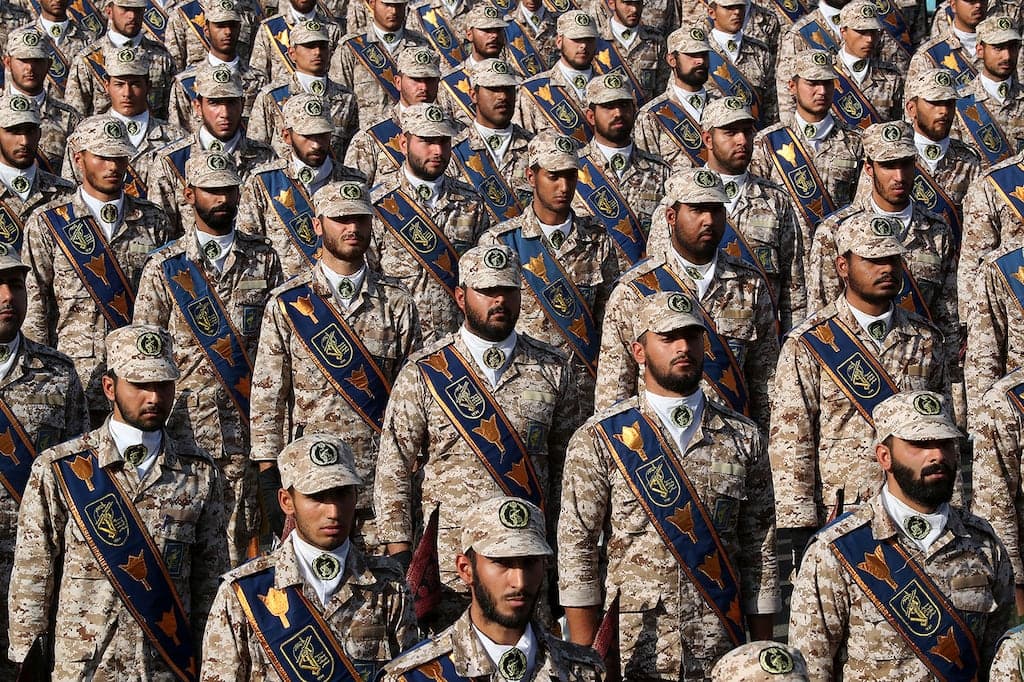
Last month, Washington sanctioned the board of directors of Iranian drone firm Paravar Pars Company for manufacturing and testing Shahed-series drones for the Islamic Revolutionary Guard Corps (IRGC) and for assisting Russia in its war against Ukraine.
The US State Department in January said that it has been monitoring the Iranian petroleum and petrochemical trade and at times has sanctioned China-based entities for dealing with Iranian oil.
Iran’s 2015 nuclear deal – formally known as the Joint Comprehensive Plan of Action (JCPOA) - with world powers allowed it to sell oil on the international market, but when former US president Donald Trump quit the deal in 2018 and imposed biting sanctions, Tehran was forced to sell its oil at a marked down price.
Positive steps were taken towards a revival of the deal - which sitting US President Joe Biden had said he was keen on – culminating in a proposed European Union text in August. However, Iran’s violent crackdown on protests that engulfed the country following Zhina (Mahsa) Amini’s death in police custody in September led to a barrage of condemnations and sanctions from the international community, which also put a halt to talks aimed at restoring the deal.
Both Tehran and Washington have repeatedly accused each other of a lack of seriousness in their commitments towards reviving the accord.
.jpeg&w=3840&q=75)