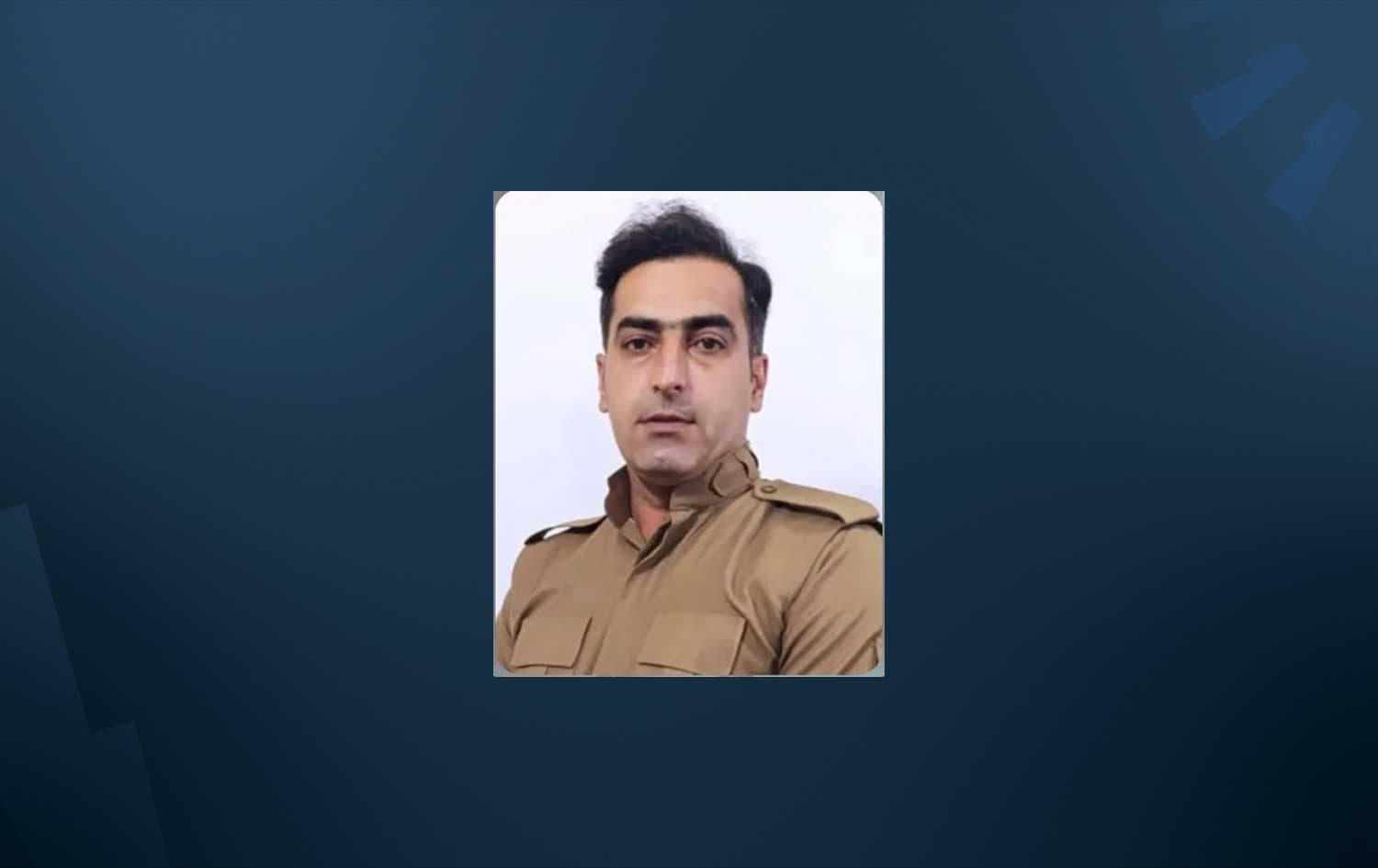
ERBIL, Kurdistan Region - May 9 marks the 10th anniversary of the execution of Farzad Kamangar, a prominent Kurdish civil activist by the Islamic Republic of Iran, yet his final resting place remains unknown to his family and friends.
Kamangar was a 35-year-old elementary schoolteacher, poet, human rights activist and social worker from the city of Kamyaran, in Kurdistan province. He was arrested in May 2006 for allegedly collaborating with Kurdish opposition groups.
Authorities accused Kamangar of "enmity against God," which under Iranian law is punishable by death.
In the early hours of May 9, 2010, Farzad was executed alongside four others - Ali Heydarian, Farhad Vakilie, Shirin Alamhouli and Mehdi Eslamian - at Tehran’s notorious Evin prison. His lawyer and family were not informed.
"Unfortunately, 10 years have passed since he was hanged to death. Yet no one knows the whereabouts of his remains,” Rebin Rahmani, head of the Paris-based Kurdistan Human Rights Network and a close friend of Kamangar told Rudaw English via Facebook on Saturday.
"A year after his execution, the family did all it took with their lawyer to be able to locate his grave. But they never managed to find any trace,”Rahmani added, describing Kamangar as a "peaceful" person.
Rahmani said Kamangar was a " loyal teacher" and "a civil activist whose only one ambition was a better world for all."
"Because of the outpouring love people had for him, the Islamic Republic had always considered him a threat to them," Rahmani added.
"I have seen absolutely zero evidence presented against Kamangar," said Khalil Bahramian, Kamangar's lawyer before his death . "In my 40 years of legal profession, I have never witnessed such a prosecution. Nothing in Kamangar's judicial files and records demonstrates any links to the charges brought against him."
The lawyer was present at the brief closed-door hearing, which he said "lasted no more than five minutes, with the judge issuing his sentence without any explanation and then promptly leaving the room."
Bahramian said that the prosecution and death sentence indicated "discrimination against Kurds" in the judicial system.
Tens of thousands of political prisoners are jailed in Iran over various charges including advocating for democracy and promoting women's rights.
Ethnic minority groups in Iran, including Kurds and Azeris, are disproportionally detained and more harshly sentenced for acts of political dissidence, according to a July 2019 report from the United Nations Special Rapporteur on human rights in Iran.
Rahmani recently spoke to Kamangar's mother, Saltany Razaiy, who is elderly and suffers from various illnesses.
Ten years since his death, she still holds out hope of finding her son’s remains.
“She still has not lost hope and she hopes one day she will be able to go to her son's grave and mourn his loss properly," he added.