


Error occured during this request! Please try again later.
Iran

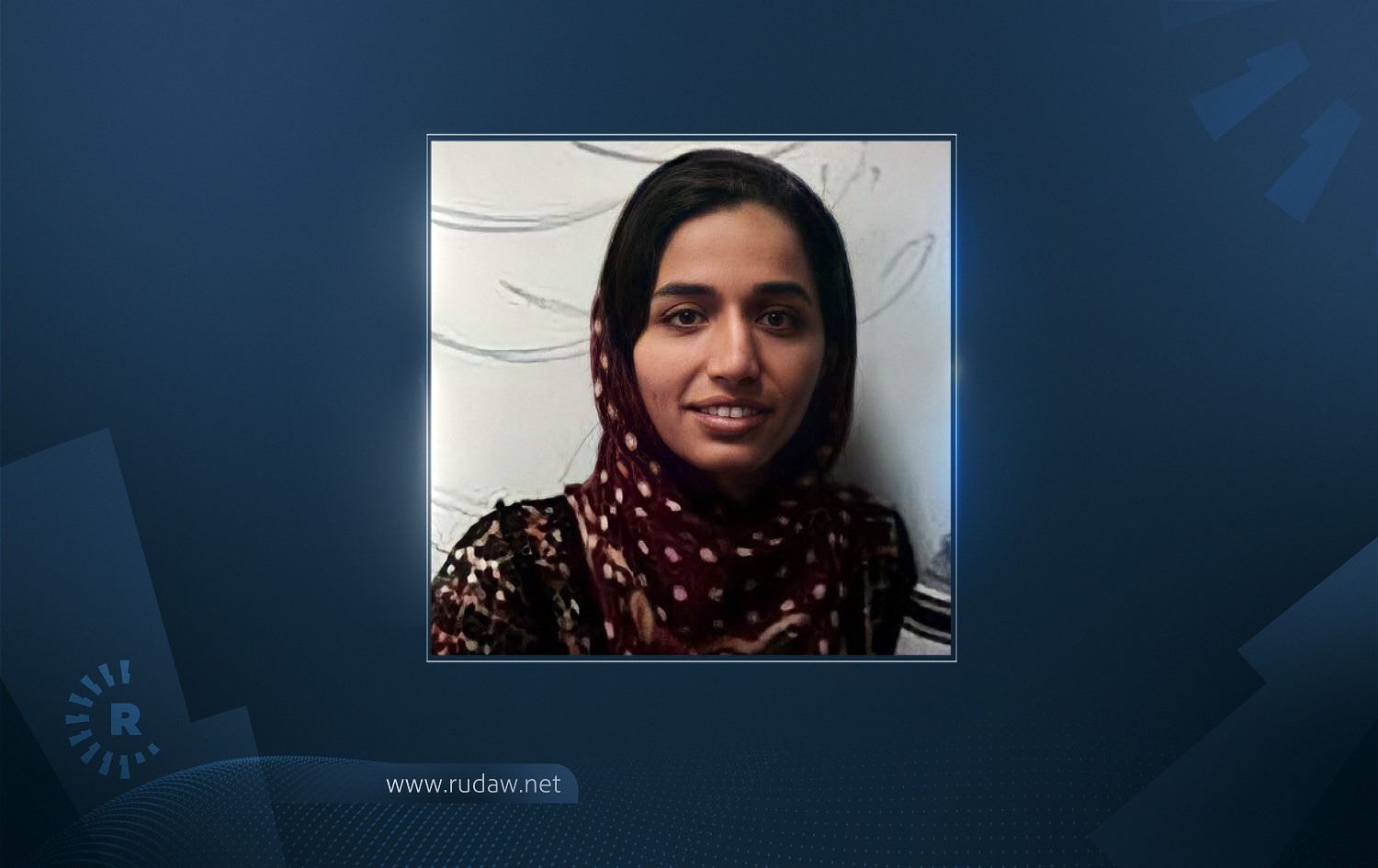
Kurdish language teacher and civil rights activist Zahra Mohammadi has been sentenced to five years in jail in Iran. Photo: KHRN
ERBIL, Kurdistan Region — An Iranian court of appeal has reduced by half the jail time for a Kurdish language teacher and civil rights activist charged with working against the “stability and security” of the state in a case that has drawn international condemnation. The ruling comes as Iran is under fire for a rash of arrests in the Kurdish northwest of the country.
Zahra Mohammadi was sentenced to five years in prison by a Sanandaj court of appeal this week, Kurdistan Human Rights Network (KHRN) reported on Saturday. Arrested in May 2019, she had first been sentenced to 10 years in jail.
Mohammadi is director of the Nojin Cultural Association, an organization whose work includes teaching Kurdish language and literature. At the time of her arrest, the association was teaching Kurdish to hundreds of children in and around Sanandaj, in Iran’s western Kurdistan province.
She was initially accused of having links to two armed Kurdish groups, Komal and the Democratic Party of Iranian Kurdistan (KDPI). Those charges were later dropped and she was convicted of “establishing a committee and group that is against the stability and security of the system,” Idris Minbari, a member of Nojin told Rudaw English in July.
Mohammadi was released on bail in December 2019 after her case gained worldwide attention and the support of Amnesty International. She “has been accused of co-operating with Kurdish opposition groups and charged with national security offences for her peaceful activities empowering members of Iran’s marginalized Kurdish community, including through teaching the Kurdish language,” Amnesty International wrote in their appeal for her release.
In a post on her personal Instagram account on Saturday, Mohammadi said, “the 5 year sentence by appeal court without evidence, reason, and with no consideration to the truth is utter injustice.”
Nojin Cultural Association called the court’s ruling “a clear manifestation of an anti-Kurdish dominant discourse” from the institutions of the state.
Since the heightening of US-Iran tensions and re-imposition of US sanctions in 2018, Iranian authorities have tightened the noose on labor activists, journalists, satirists, environmentalists, anti-death penalty campaigners, and researchers, detaining them in droves and sentencing some in trials whose fairness has been questioned.
Tens of thousands of people are held as political prisoners in Iranian jails, for charges including advocating for democracy and promoting women's or workers' rights.
Ethnic minority groups, including Kurds and Azeris, are disproportionately detained and more harshly sentenced for acts of political dissidence, according to a July 2019 report from the United Nations Special Rapporteur on Human Rights in Iran.
Earlier this month, Amnesty International said Kurdish activist Zeynab Jalalian was being denied access to healthcare in prison.
In 2019, at least 2,000 people were arrested in Iran for joining armed Kurdish forces or for activism deemed suspicious, according to data provided to Rudaw by KHRN founder Rebin Rahmani. In 2020, at least 400 people were arrested, Rahmani said.
Since the beginning of 2021, at least 128 people have been arrested in Iran’s Kurdish-majority areas, Arsalan Yarahmedi, director of the Hengaw Organization for Human Rights, told Rudaw English on Sunday.
Zahra Mohammadi was sentenced to five years in prison by a Sanandaj court of appeal this week, Kurdistan Human Rights Network (KHRN) reported on Saturday. Arrested in May 2019, she had first been sentenced to 10 years in jail.
Mohammadi is director of the Nojin Cultural Association, an organization whose work includes teaching Kurdish language and literature. At the time of her arrest, the association was teaching Kurdish to hundreds of children in and around Sanandaj, in Iran’s western Kurdistan province.
She was initially accused of having links to two armed Kurdish groups, Komal and the Democratic Party of Iranian Kurdistan (KDPI). Those charges were later dropped and she was convicted of “establishing a committee and group that is against the stability and security of the system,” Idris Minbari, a member of Nojin told Rudaw English in July.
Mohammadi was released on bail in December 2019 after her case gained worldwide attention and the support of Amnesty International. She “has been accused of co-operating with Kurdish opposition groups and charged with national security offences for her peaceful activities empowering members of Iran’s marginalized Kurdish community, including through teaching the Kurdish language,” Amnesty International wrote in their appeal for her release.
In a post on her personal Instagram account on Saturday, Mohammadi said, “the 5 year sentence by appeal court without evidence, reason, and with no consideration to the truth is utter injustice.”
Nojin Cultural Association called the court’s ruling “a clear manifestation of an anti-Kurdish dominant discourse” from the institutions of the state.
Since the heightening of US-Iran tensions and re-imposition of US sanctions in 2018, Iranian authorities have tightened the noose on labor activists, journalists, satirists, environmentalists, anti-death penalty campaigners, and researchers, detaining them in droves and sentencing some in trials whose fairness has been questioned.
Tens of thousands of people are held as political prisoners in Iranian jails, for charges including advocating for democracy and promoting women's or workers' rights.
Ethnic minority groups, including Kurds and Azeris, are disproportionately detained and more harshly sentenced for acts of political dissidence, according to a July 2019 report from the United Nations Special Rapporteur on Human Rights in Iran.
Earlier this month, Amnesty International said Kurdish activist Zeynab Jalalian was being denied access to healthcare in prison.
In 2019, at least 2,000 people were arrested in Iran for joining armed Kurdish forces or for activism deemed suspicious, according to data provided to Rudaw by KHRN founder Rebin Rahmani. In 2020, at least 400 people were arrested, Rahmani said.
Since the beginning of 2021, at least 128 people have been arrested in Iran’s Kurdish-majority areas, Arsalan Yarahmedi, director of the Hengaw Organization for Human Rights, told Rudaw English on Sunday.


Comments
Rudaw moderates all comments submitted on our website. We welcome comments which are relevant to the article and encourage further discussion about the issues that matter to you. We also welcome constructive criticism about Rudaw.
To be approved for publication, however, your comments must meet our community guidelines.
We will not tolerate the following: profanity, threats, personal attacks, vulgarity, abuse (such as sexism, racism, homophobia or xenophobia), or commercial or personal promotion.
Comments that do not meet our guidelines will be rejected. Comments are not edited – they are either approved or rejected.
Post a comment