


Iran

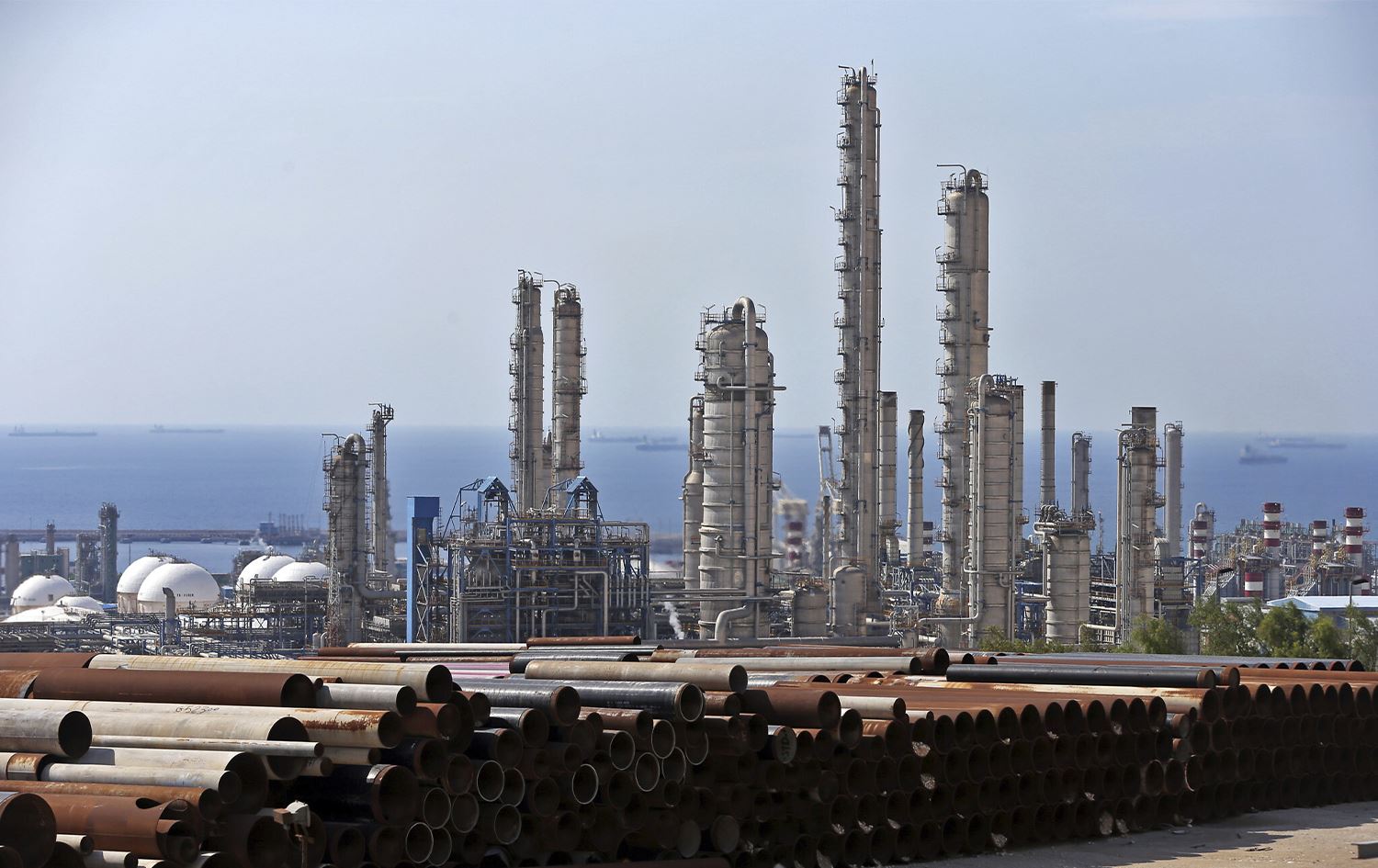
View of a petrochemical complex in the South Pars gas field in Asalouyeh, Iran, on the northern coast of Persian Gulf. File photo: AP
ERBIL, Kurdistan Region - Iran is considering exporting gas to Europe, an official from its oil ministry said on Sunday, echoing similar aspirations by the Kurdistan Region to provide an alternative to energy imports from Russia.
Iran’s Deputy Oil Minister Majid Chegeni said Iran was “studying” the possibility of exporting gas to Europe, but that a conclusion has not yet been reached, according to the ministry’s official news agency, Shana. “Iran always seeks development of energy diplomacy and expanding the market,” Chegeni added.
Chegeni did not reveal any further information on how exports to Europe would be achieved given the US sanctions on Iran. Talks between the US and Iran aimed at reviving the 2015 nuclear deal have stalled, as Tehran has repeatedly demanded the removal of sanctions.
Iran is home to one of the world’s largest gas reserves, making it a potential alternative to Russian energy, which European markets have been heavily reliant on. In 2020, the European Union (EU) received approximately 155 billion cubic meters of Russian gas, accounting for 45 percent of imports, according to AFP.
The Kurdistan Region has also expressed its aspirations to export energy to Europe via Turkey. The Region’s energy resources have been a point of contention for the Iraqi federal government as it insists on bringing these resources under its control. Neighboring Iran is also wary of the possibility of energy exports from the Kurdistan Region to the West, and could become an obstacle to its ambitions.
Global oil and gas prices have soared since Russia’s invasion of Ukraine in February, creating an energy crisis in Europe. The situation took a turn for the worse on Friday when Russia halted gas supplies through an important transit hub in eastern Ukraine, AFP reported Kyiv as saying.
The current crisis has highlighted the need for European countries to reconsider their historic dependency on Russian energy, and to look for options elsewhere.
Russia’s ambassador to Iraq Elbrus Kutrashev told Rudaw last week that Moscow "absolutely" has no objections to the Kurdistan Region's plans to export natural gas. The Russian diplomat also said that the possibility of Kurdish natural gas replacing the Russian for European countries "is not a problem for us, it is a problem for Europeans."
Chegeni also confirmed that gas exports to Iraq would increase following a memorandum signed by both sides, adding that Baghdad will pay Tehran its debt of $1.6 billion by the end of the month. Iraq also possesses considerable gas reserves but decades of war, corruption, and poor investment have left the country dependent on gas imports from its neighbor.
While US sanctions on Iranian oil and gas imports to Iraq have complicated payment, waivers are in place to allow the transaction. A new 120-day sanctions waiver was granted to Baghdad in March.
Washington does not allow Iraq to pay Iranian dues in US dollars, but western and Iraqi sources said that Iraqi officials had obtained a green light from the United States to release the money owed to Tehran through a Swiss bank account.


Comments
Rudaw moderates all comments submitted on our website. We welcome comments which are relevant to the article and encourage further discussion about the issues that matter to you. We also welcome constructive criticism about Rudaw.
To be approved for publication, however, your comments must meet our community guidelines.
We will not tolerate the following: profanity, threats, personal attacks, vulgarity, abuse (such as sexism, racism, homophobia or xenophobia), or commercial or personal promotion.
Comments that do not meet our guidelines will be rejected. Comments are not edited – they are either approved or rejected.
Post a comment