


Iran

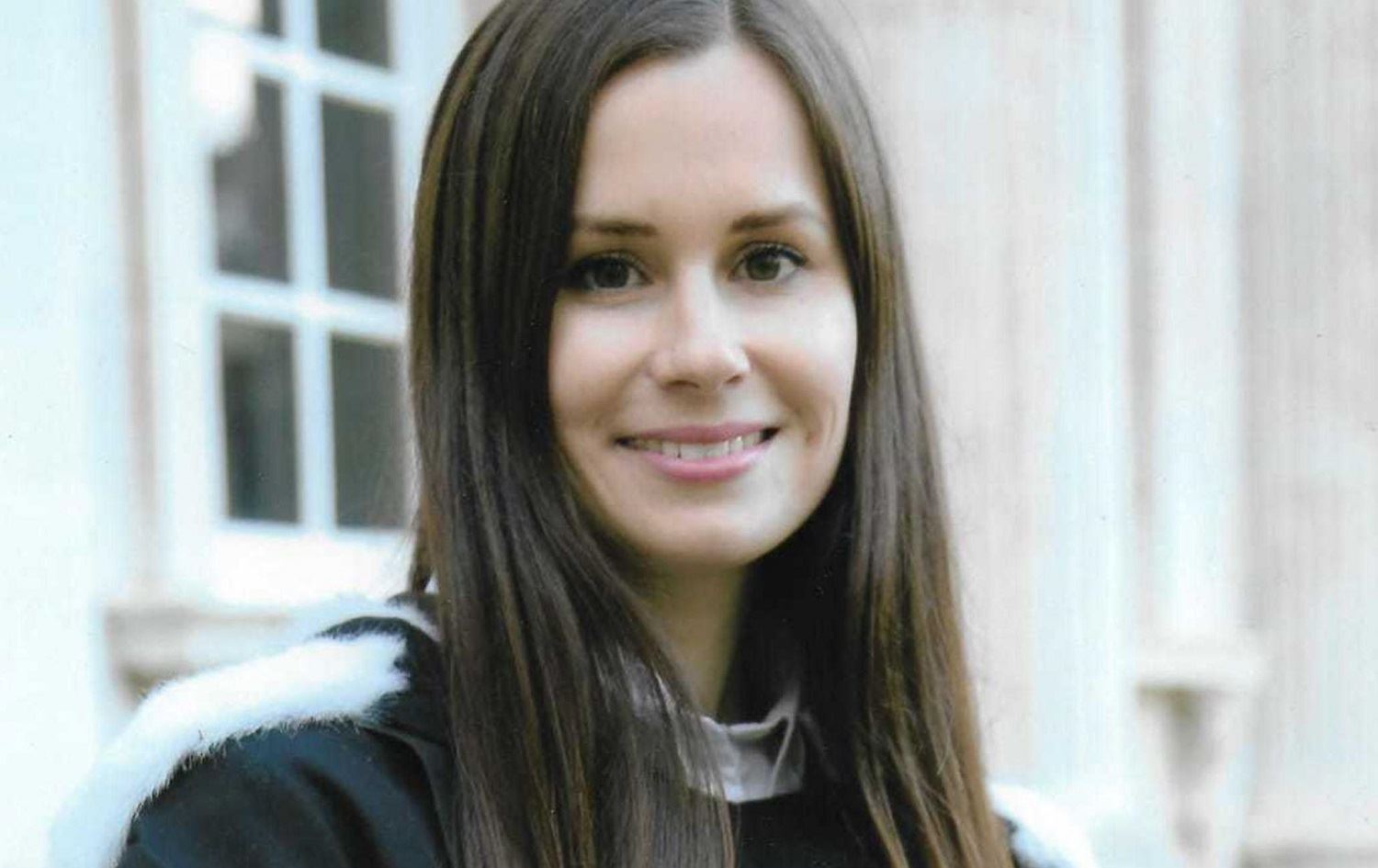
Kylie Moore-Gilbert, an Islamic studies lecturer at the University of Melbourne, is serving a 10-year sentence in Iran for a spying conviction that she denies. File photo: AFP
TEHRAN – A British-Australian academic jailed in Iran is "healthy" and in regular contact with her family, the Islamic republic's High Council for Human Rights said Wednesday.
The arrest of Kylie Moore-Gilbert was confirmed by Iran in September 2019, but her family said at the time she had been detained for months before that.
The University of Melbourne Islamic studies lecturer is serving a 10-year sentence for a spying conviction that she denies.
Moore-Gilbert, currently held at Tehran's Evin prison, "has access to medical and other services like other prisoners", the Council said in a statement posted on its website.
"She has books to read, and whenever requested, her needed books will be procured and delivered to her," said the Council, which is part of Iran's judiciary.
"She is currently healthy, undergoing her sentence and is in constant contact with her family via telephone," it added.
Human rights activists said this month that the academic had attempted suicide multiple times and was upset with the Australian government's response to her detention.
But in a statement on Sunday, her family said she in good health "considering her situation" in an Iranian prison.
The statement also denied the claims she had attempted suicide or been tortured.
Moore-Gilbert among a number of foreign and dual national detainees held in Iran, often on charges of espionage, compromising national security, and spreading propaganda.
Their numbers have grown in recent years as tension between Iran on the one hand and US and its Western allies on the other grew after Washington withdrew in May 2018 from the landmark 2015 nuclear deal.
Iran sentenced French-Iranian academic Fariba Adelkhah to five years in prison on Saturday "for gathering and conspiring against national security, and one year for propaganda against the Islamic republic," her lawyer Said Dehghan told AFP.
Dehghan said his client would only be expected to serve the longer, five-year jail term and added that she intended to appeal.
Adelkhah, a specialist in Shiite Islam and a research director at Sciences Po university in Paris, was arrested in June last year. Her six-week trial began on March 3.
Adelkhah's French colleague and partner Roland Marchal, who was detained along with her, was released in March in an apparent prisoner swap.
Marchal was freed after France released Iranian engineer Jallal Rohollahnejad, who faced extradition to the United States over accusations he violated US sanctions against Iran. Washington has said that it "deeply regrets" that decision.
Dehghan said Marchal's release gives grounds for appeal against the charge against Adelkhah of "gathering and conspiring against national security".
"At least two people must be involved for this charge to stand," he said.
Moore-Gilbert and Adelkhah began a hunger strike on December 24 last year on "behalf of all academics and researchers across Iran and the Middle East, who like us have been unjustly imprisoned on trumped up charges and simply doing their job as researchers," a joint open letter obtained by the Center for Human Rights in Iran (CHRI) at the time read.
Moore-Gilbert ended her strike early in January; Adelkhah ended hers after a six-week run.
Additional reporting by AFP
The arrest of Kylie Moore-Gilbert was confirmed by Iran in September 2019, but her family said at the time she had been detained for months before that.
The University of Melbourne Islamic studies lecturer is serving a 10-year sentence for a spying conviction that she denies.
Moore-Gilbert, currently held at Tehran's Evin prison, "has access to medical and other services like other prisoners", the Council said in a statement posted on its website.
"She has books to read, and whenever requested, her needed books will be procured and delivered to her," said the Council, which is part of Iran's judiciary.
"She is currently healthy, undergoing her sentence and is in constant contact with her family via telephone," it added.
Human rights activists said this month that the academic had attempted suicide multiple times and was upset with the Australian government's response to her detention.
But in a statement on Sunday, her family said she in good health "considering her situation" in an Iranian prison.
The statement also denied the claims she had attempted suicide or been tortured.
Moore-Gilbert among a number of foreign and dual national detainees held in Iran, often on charges of espionage, compromising national security, and spreading propaganda.
Their numbers have grown in recent years as tension between Iran on the one hand and US and its Western allies on the other grew after Washington withdrew in May 2018 from the landmark 2015 nuclear deal.
Iran sentenced French-Iranian academic Fariba Adelkhah to five years in prison on Saturday "for gathering and conspiring against national security, and one year for propaganda against the Islamic republic," her lawyer Said Dehghan told AFP.
Dehghan said his client would only be expected to serve the longer, five-year jail term and added that she intended to appeal.
Adelkhah, a specialist in Shiite Islam and a research director at Sciences Po university in Paris, was arrested in June last year. Her six-week trial began on March 3.
Adelkhah's French colleague and partner Roland Marchal, who was detained along with her, was released in March in an apparent prisoner swap.
Marchal was freed after France released Iranian engineer Jallal Rohollahnejad, who faced extradition to the United States over accusations he violated US sanctions against Iran. Washington has said that it "deeply regrets" that decision.
Dehghan said Marchal's release gives grounds for appeal against the charge against Adelkhah of "gathering and conspiring against national security".
"At least two people must be involved for this charge to stand," he said.
Moore-Gilbert and Adelkhah began a hunger strike on December 24 last year on "behalf of all academics and researchers across Iran and the Middle East, who like us have been unjustly imprisoned on trumped up charges and simply doing their job as researchers," a joint open letter obtained by the Center for Human Rights in Iran (CHRI) at the time read.
Moore-Gilbert ended her strike early in January; Adelkhah ended hers after a six-week run.
Additional reporting by AFP


Comments
Rudaw moderates all comments submitted on our website. We welcome comments which are relevant to the article and encourage further discussion about the issues that matter to you. We also welcome constructive criticism about Rudaw.
To be approved for publication, however, your comments must meet our community guidelines.
We will not tolerate the following: profanity, threats, personal attacks, vulgarity, abuse (such as sexism, racism, homophobia or xenophobia), or commercial or personal promotion.
Comments that do not meet our guidelines will be rejected. Comments are not edited – they are either approved or rejected.
Post a comment