


URMIA, Iran - Staring at the still snowy mountains of Urmia, a child sits by the grave of his late kolbar father, whose body went missing somewhere between the borders of Iran and Turkey months ago, only to be found in mid-June.
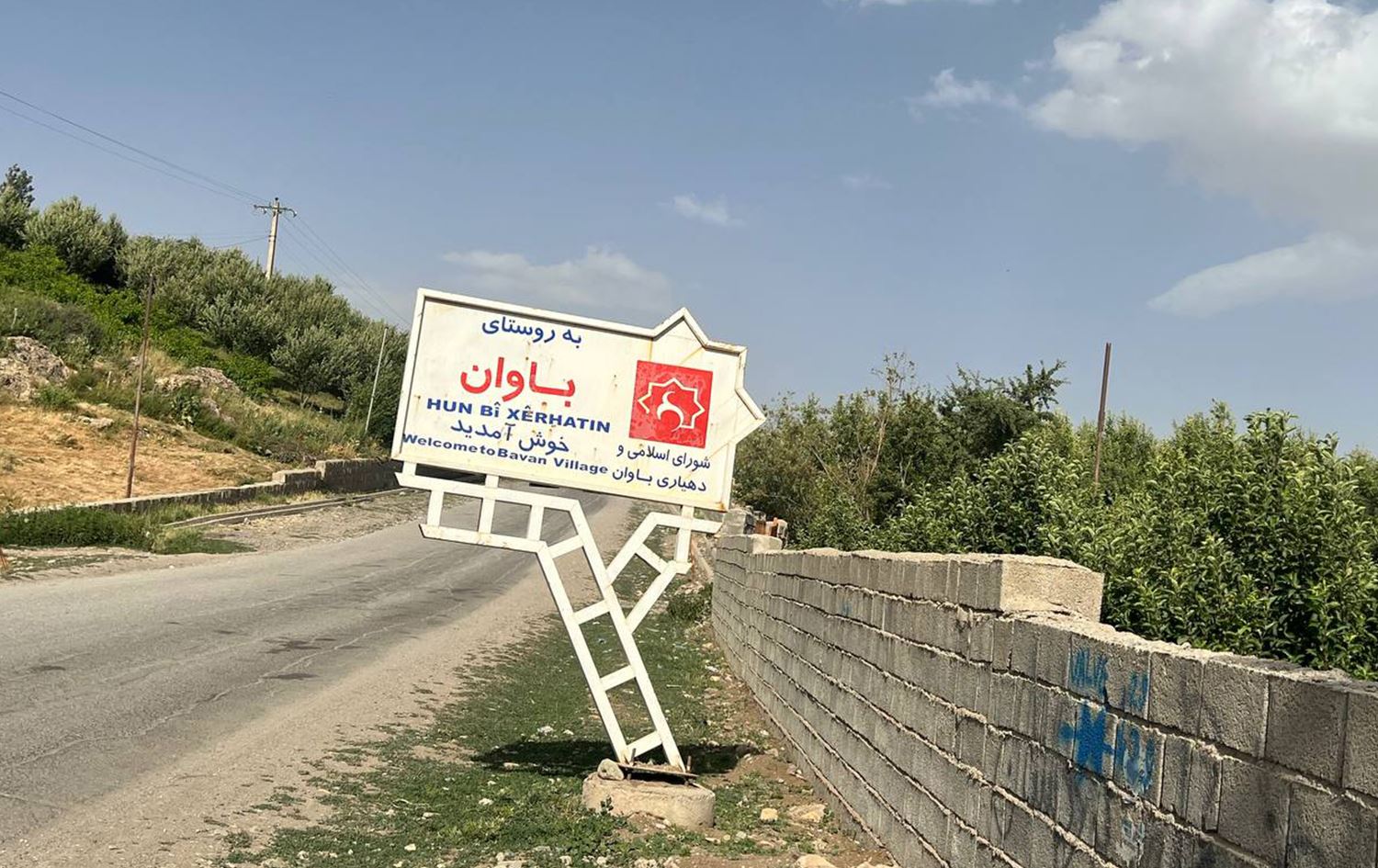
Located about 50 kilometers west of Urmia, the village of Bawan is known for its vast apple gardens and relatively cool weather, even in June. The village was mired in grief on June 22 as it hosted the funeral of a third kolbar whose body was missing for months.
With heavy hearts, the village residents attended the funeral of Asaad Saidanifar after his body was recovered from the border area of Turkey a day prior. His body was missing for 160 days.
Asaad, 36, along with two other kolbars from Urmia, Bahlul Saidanifar and Barzan Mihani headed to the border of Turkey in January, in an attempt to provide their families with yet another meal on the dinner table.
On January 13, all three kolbars went missing amid heavy snowfall and strong winds in the border areas.
The body of the 18-year-old Barzan was found after 114 days, and 46-year-old Bahlul was found dead 135 days after being lost.
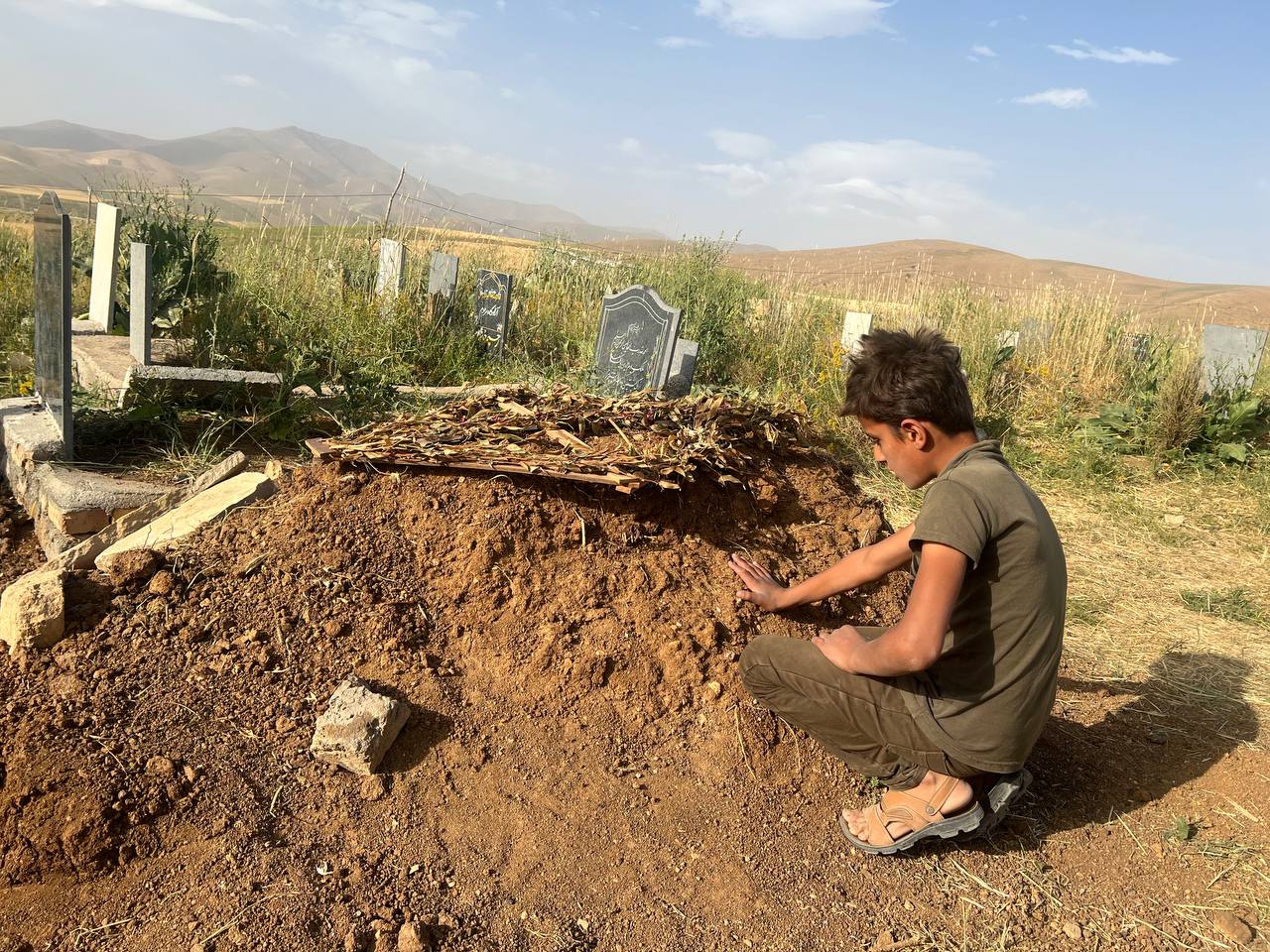
Attending the funeral of his brother, Hakim Saidanifar was shattered, hardly able to utter a sentence in the grief for the late Asaad.
“Poverty led to my brother’s death, leaving four small children behind without any source of income or any clear future,” Hakim told Rudaw English with the pain apparent in his voice.
Poverty leading to death of kolbars
Barzan had just turned 18 years old, and due to his family’s limited income, like many other people in Iran’s Kurdish areas, he had resorted to the kolbar life – one that forces you to take dangerous paths, often leading to unfortunate deaths.
Kolbars are a small cog in a sophisticated and hugely profitable machine. Clothing, alcohol, cigarettes, and mobile phones - all arrive in the Kurdistan Region from Dubai, Turkey, or Iraq’s southern borders, where they are then transferred to depots close to the Iranian border. At night, hundreds of mules transport the goods to a collection point, where wholesalers set up guarded tents to hand tens of kilos of goods over to incoming kolbars each morning.
Powerful businessmen in Tehran, Erbil, and across the Middle East make handsome sums of money in the process. The Islamic Revolutionary Guard Corps (IRGC), whose own guards survey the area, is reportedly involved in the trade and uses the smuggling routes.
Though no more than seven kilometers each way, the kolbar’s trek is no mean feat. The rocky path is laden with landmines and border guards who at times fire to kill or injure. But it is especially frightening in the winter, with snow several meters deep, ice-laden paths, and potent blizzard winds.
Due to limited job opportunities in many border areas of Iran, people are frequently left with no option but to take on such dangerous journeys to make a living.
Shawkat Mihani, Barzan’s father, who the death of his teenage son has made his smoking habits worse, to a point where you hardly see him without a cigarette between his fingers anymore, spoke to Rudaw English about his late son.
“Because of our poor situation, Barzan dropped out after finishing high school, and started working as a kolbar when he was 16,” Shawkat said. “I was not happy about it, but I could not convince my son to not go because he was young and needed money, and I could not provide it to him.”
According to Shawkat, Barzan would carry loads of cigarettes and sell them across the border.
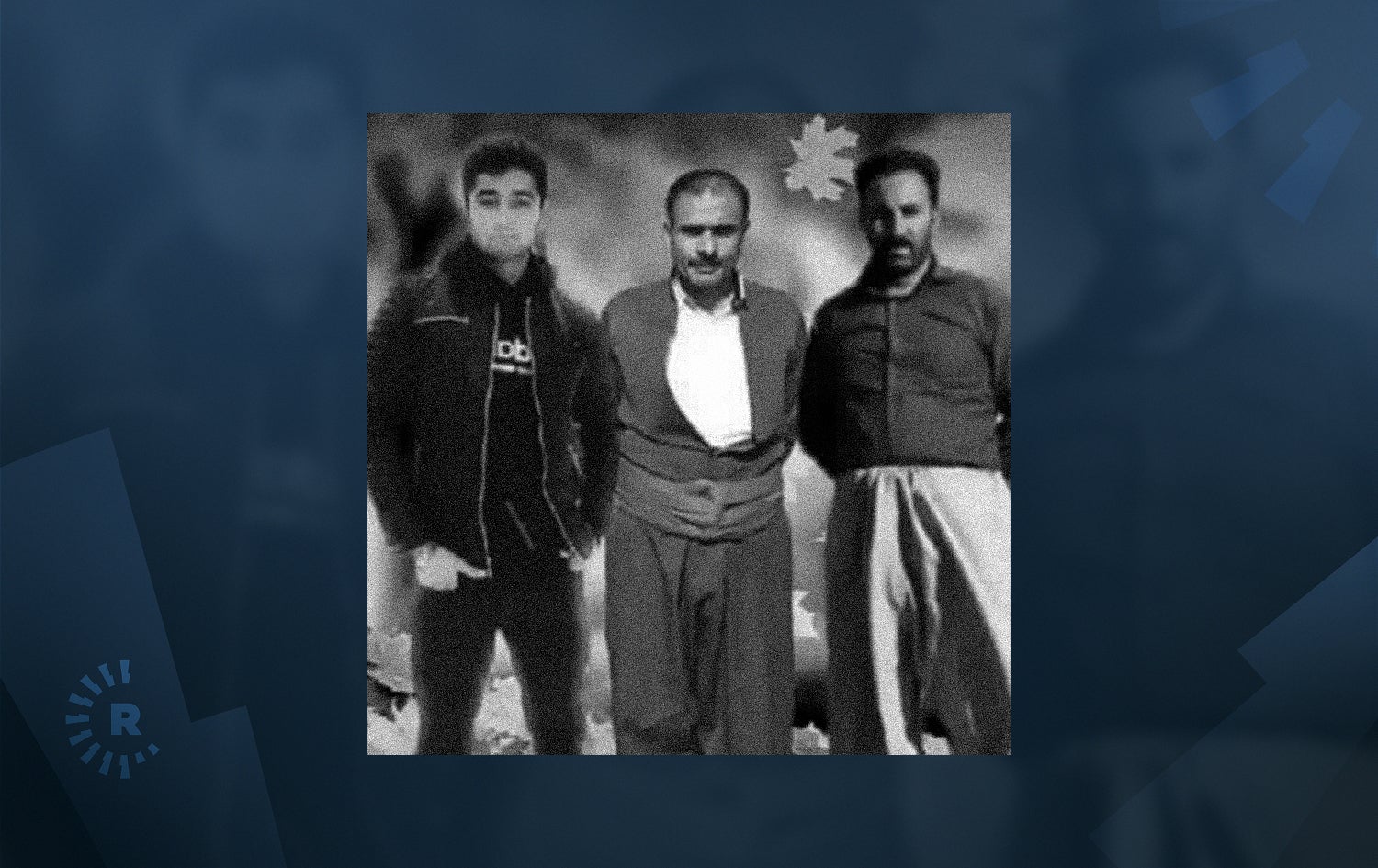
Recalling that dreaded morning, Shawkat said that Barzan had woke up early in the morning to accompany his uncle on their next kolbar journey, and despite his father warning them of the weather forecasts predicting snow, Barzan told him to not worry.
“It got late and I was worried, I called him and he did not respond,” he said while lighting yet another cigarette. “Night came and we were even more stressed, we called the other kolbars across the border.”
The kolbars told him that they had crossed the border, sold their loads, and had returned to the village, but Barzan was not with them and snowfall had started.
After weeks of searching, Barzan’s body was found in the snow, cold and dead, leaving no option for Shawkat but to ask government officials to address people’s poverty.
“My son and dozens of other kolbars have died like this, I ask officials to find a solution for these people and find them a job so no one else suffers as we did,” he said.
I lost not only my father, but also my friend
Bahlul had been working as a kolbar for around 15 years, a job that was his last resort – one that he did not practice out of love, just like every other kolbar.
Nechir Saidanifar, Bahlul’s eldest son not only lost his father in the incident but also his childhood friend, Barzan.
“The death of my father was really hard on me, but the death of my closest friend, Barzan, made the pain even worse.”
Nechir, who is only 18 years old, is now responsible for his whole family and complains about the lack of jobs in their area.
“If there were other jobs in this area, my father and thousands of others would not be forced to work as kolbars, my friends and I all dropped out of school after middle school because of poverty,” he said.
For Nechir, who the death of his father has suddenly burdened him with much more responsibilities than he had ever endured, the kolbar life seems to be his path too.
“At this age, I have been given the responsibility of my family of five, it seems that I have to work as a kolbar too in order to make a living,” he said.
Families of kolbars are among the main victims of these attacks by Iranian border guards, as the transportation of goods is their primary source of income. Iranian border guards have previously raided the houses of kolbars, confiscating their belongings.
The Paris-based Kurdistan Human Rights Network (KHRN) in their annual report on human rights violations in Iran published in January said that “at least 46 Kurdish kolbars lost their lives and 122 kolbars were injured in the border areas of the western provinces of West Azerbaijan, Kurdistan, and Kermanshah as a result of shootings by border forces and natural disasters” in 2021.
In their May report, the KHRN reported the death of at least one kolbar and the injury of at least 12 more at the hands of Iranian border guards, in addition, two other kolbars were injured falling from border heights.
Translation by Dilan Sirwan


Comments
Rudaw moderates all comments submitted on our website. We welcome comments which are relevant to the article and encourage further discussion about the issues that matter to you. We also welcome constructive criticism about Rudaw.
To be approved for publication, however, your comments must meet our community guidelines.
We will not tolerate the following: profanity, threats, personal attacks, vulgarity, abuse (such as sexism, racism, homophobia or xenophobia), or commercial or personal promotion.
Comments that do not meet our guidelines will be rejected. Comments are not edited – they are either approved or rejected.
Post a comment