


Error occured during this request! Please try again later.
Iran

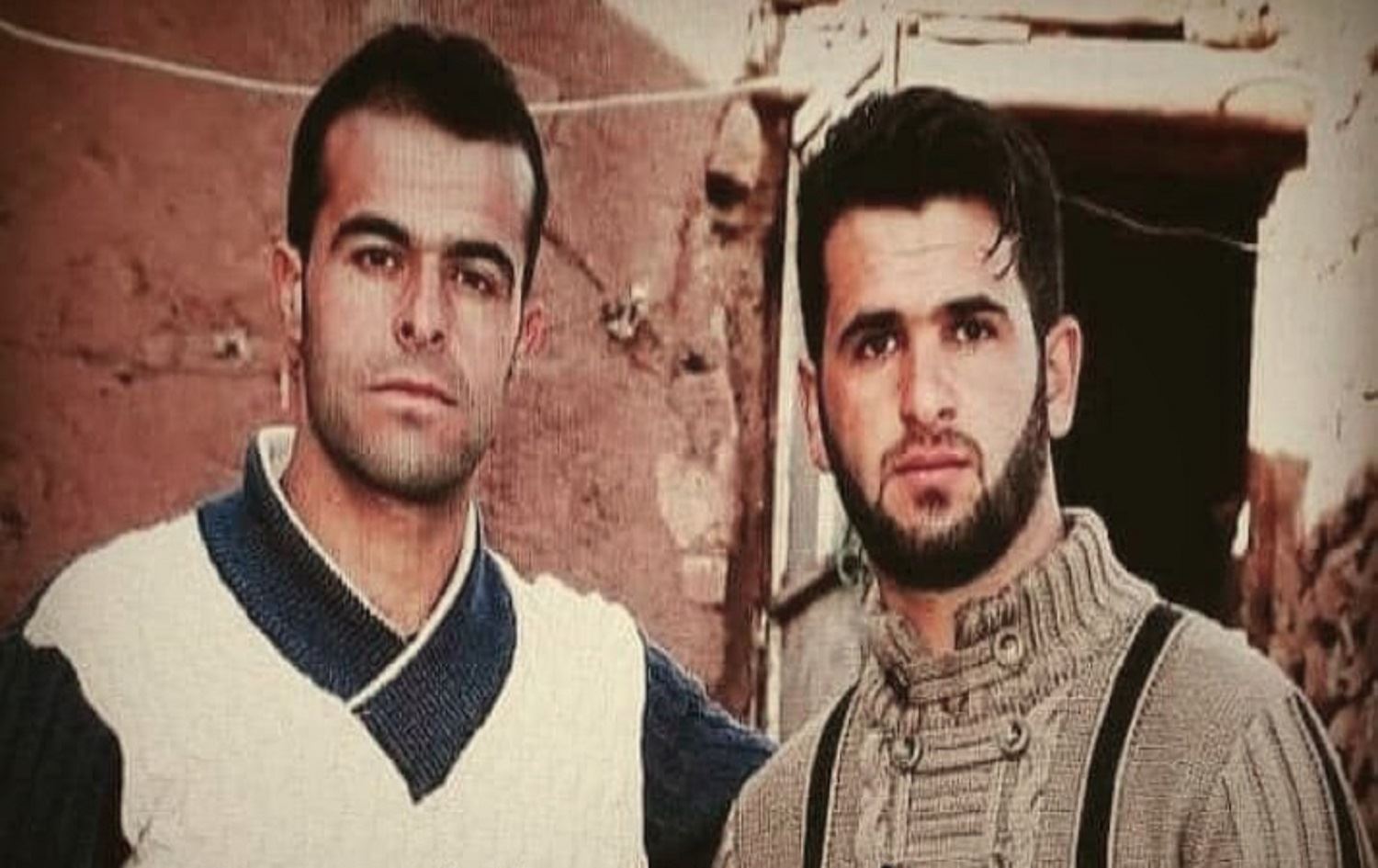
Ibrahim Jordanizj (left) and Mohsen Darvishzadeh (right) were killed while working as kolbars. Photo: Kurdistan Human Rights Network facebook page
ERBIL, Kurdistan Region — Two Kurdish kolbars were killed Thursday night by Iranian border guards in Khoy, a city in Iran’s West Azerbaijan province, according to a human rights group.
"At 10 pm tonight [Thursday night], a group of Kolbars from the village of Kirkush in the Khond area of Khoy were shot dead near observation posts at this border village," reads a statement by the Paris-based Kurdistan Human Rights Network, citing what they refer to as "a well informed source.”
The deceased were listed in the report as Mohsen Darvishzadeh and Ibrahim Jordanizj.
Kolbars are semi-legal porters who transport goods on their backs over the border between Iraq and Iran. It is a job with many risks and few rewards, but for many, the only option for earning an income. Many are pushed into the profession by poverty and lack of employment alternatives, particularly in Iran's Kurdish provinces.
Over the past week, five people have been killed and six wounded by Iranian and Turkish border guards in the same province, according to the rights group.
Monitors estimate around 70,000 people, mostly Iranian Kurds, make a living as kolbars.
Rudaw English interviewed two kolbars earlier this month who discussed the dangers of their trade.
"Since corona[virus] has gotten serious in Iran, we've been out of work and our lives have been turned upside down. There is nothing else for me to do, so I do kolbary," one kolbar said before he set off through the rugged mountains.
The Paris-based monitor recorded 245 incidents that either killed or injured kolbars trekking goods over the border, in which 56 died and 153 were wounded in 2019.
In the same period, an estimated 237 kolbars were shot by Iranian border guards, according to Hengaw Organization for Human Rights, which tracks violations against kolbars.
Another 23 kolbars froze to death in the mountains, drowned in rivers, or fell from cliffs.


Comments
Rudaw moderates all comments submitted on our website. We welcome comments which are relevant to the article and encourage further discussion about the issues that matter to you. We also welcome constructive criticism about Rudaw.
To be approved for publication, however, your comments must meet our community guidelines.
We will not tolerate the following: profanity, threats, personal attacks, vulgarity, abuse (such as sexism, racism, homophobia or xenophobia), or commercial or personal promotion.
Comments that do not meet our guidelines will be rejected. Comments are not edited – they are either approved or rejected.
Post a comment