


Iraq

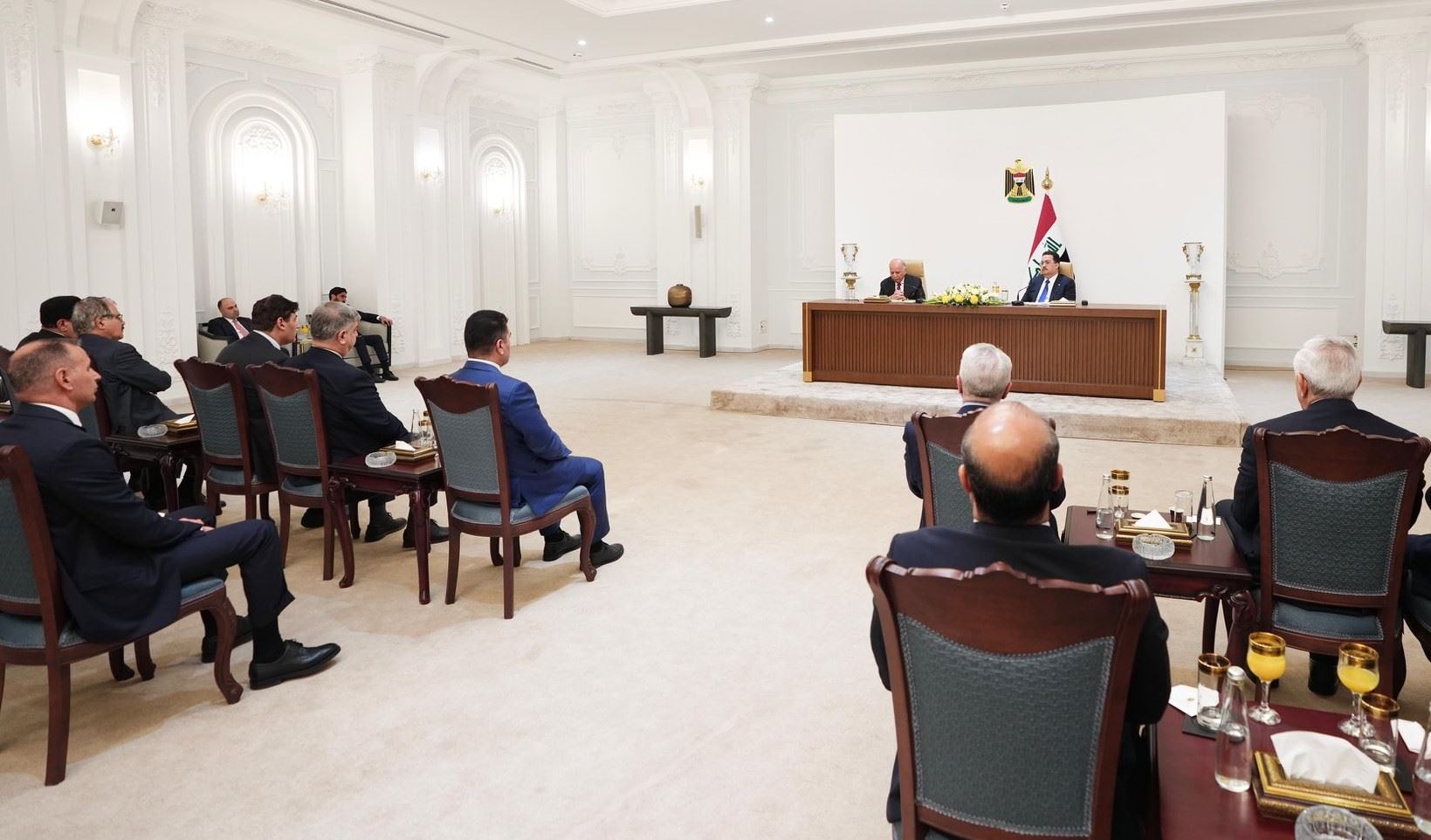
Iraqi Prime Minister Mohammed Shia' al-Sudani receives Iraq's newly-appointed ambassadors on December 1, 2025. Photo: IraqiPMO/X
ERBIL, Kurdistan Region - Iraqi Prime Minister Mohammed Shia’ al-Sudani on Monday received the country’s newly appointed ambassadors, urging them to safeguard Iraq’s interests and refrain from political alignments or involvement in internal disputes, read a statement from the premier’s office.
Prime Minister Sudani emphasized that “the ambassadors' mission is not a privilege, but a mandate,” stressing that the newly assigned diplomats are obligated to “defend the interests of Iraq and its people” and “contribute to formulating the Iraqi diplomatic strategy.”
He instructed the diplomats to maintain strict political neutrality, calling on them to “stay away from any political alignments or disputes,” strengthen Iraq’s “balanced position” on regional developments, and leverage “soft diplomacy” to advance the country’s interests.
“Iraq is currently undergoing a stage of recovery, stability, and the restoration of its pioneering role in the region,” the premier said, noting that his government has adopted “a clear approach in foreign policy, establishing broad relations rather than limiting them to specific countries.”
In early September, Iraqi President Abdul Latif Rashid presided over the swearing-in of 86 new ambassadors, according to the presidency. This followed the Iraqi parliament’s approval of 93 ambassadorial appointments in late August.
Among the newly appointed diplomats are 19 Kurds - ten from the Kurdistan Democratic Party (KDP), eight from the Patriotic Union of Kurdistan (PUK), and one from the prominent Sunni political party, Takaddum Front, headed by former parliament speaker Mohammed al-Halbousi (2018-2023).
The full list also includes 49 Shiites - among them one Turkmen and a Faili Kurd - in addition to 23 Sunnis, two Christians, one Yazidi, and one from the Sabian-Mandaean ethno-religious minority.
However, the appointment process drew criticism from some lawmakers who objected to the inclusion of individuals reportedly connected to Iraq’s political elite.
In late June, the Iraqi parliament’s foreign relations committee and other legislators warned that the selection of ambassadors further entrenches power-sharing and nepotism, accusing political parties of securing diplomatic posts for the relatives of top leaders and cautioning that this could damage Iraq’s international reputation.
Iraq reportedly maintains somewhere between 72 embassies worldwide and 18 general consulates worldwide.


Comments
Rudaw moderates all comments submitted on our website. We welcome comments which are relevant to the article and encourage further discussion about the issues that matter to you. We also welcome constructive criticism about Rudaw.
To be approved for publication, however, your comments must meet our community guidelines.
We will not tolerate the following: profanity, threats, personal attacks, vulgarity, abuse (such as sexism, racism, homophobia or xenophobia), or commercial or personal promotion.
Comments that do not meet our guidelines will be rejected. Comments are not edited – they are either approved or rejected.
Post a comment