
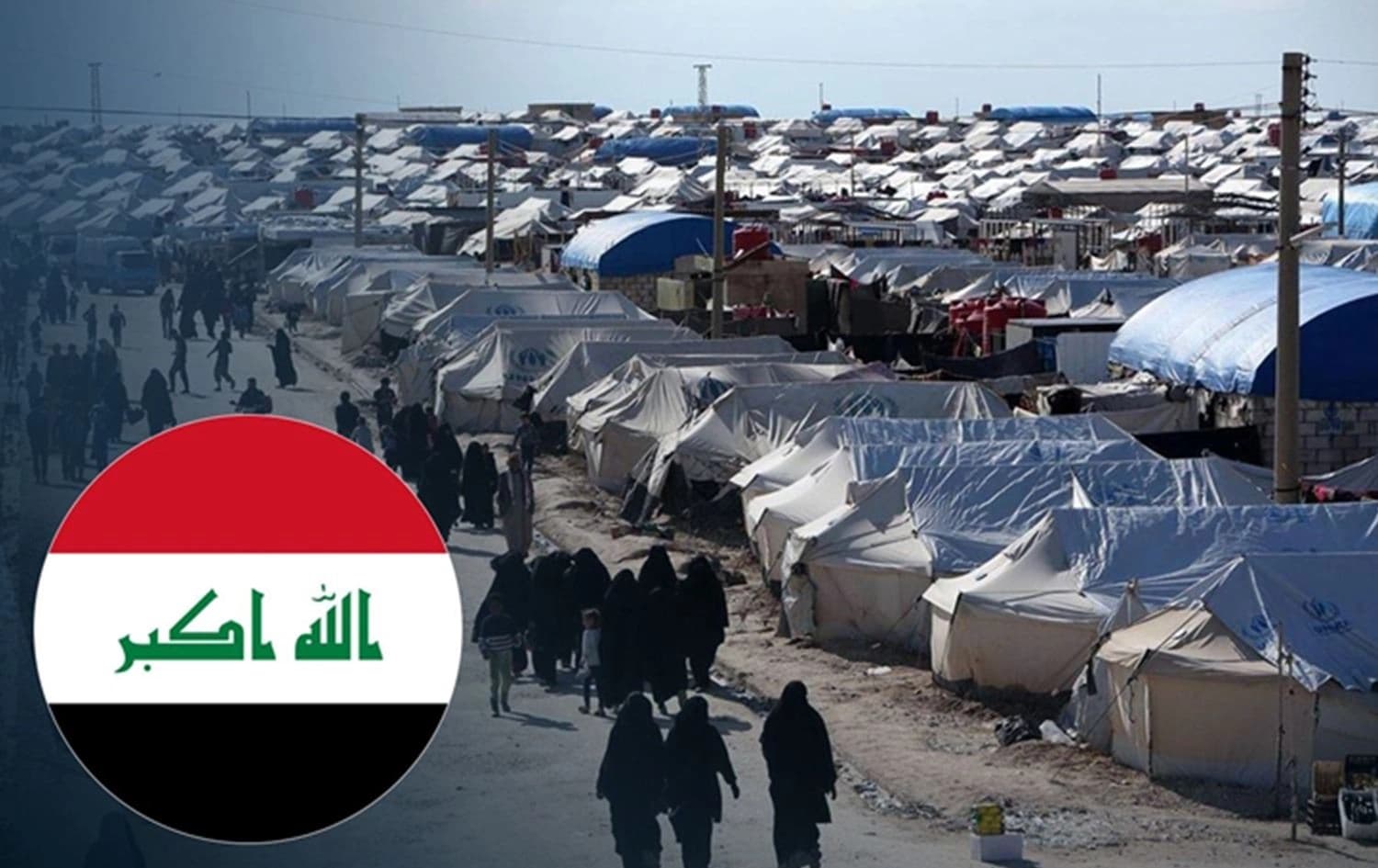

ERBIL, Kurdistan Region - Iraq on Monday repatriated 240 Iraqi families suspected of having links to the Islamic State (ISIS) from the al-Hol camp in northeast Syria, according to a war watchdog.
The UK-based Syrian Observatory for Human Rights (SOHR) said that 240 families - a total of 858 people - were transferred from al-Hol in Hasaka province back to Iraq, following coordination between the camp administration, the Democratic Autonomous Administration of North and East Syria (DAANES), the security committee, and Iraq’s Parliamentary Committee on Immigration and Displacement.
The repatriation was organized by Iraq’s Ministry of Migration and Displacement.
Ali Jahangir, spokesperson for the ministry, told Rudaw that all returnees are routinely taken to al-Jadaa camp in Nineveh, where they undergo a rehabilitation program before being cleared to return to their areas of origin.
The departure of this batch brings al-Hol’s population to under 25,000, down significantly from more than 60,000 following ISIS’s territorial defeat.
Al-Hol has long been notorious for dire living conditions and the presence of radicalized individuals, earning a reputation as a potential incubator for extremism. Iraqis and Syrians constitute the majority of its residents, though thousands of people from other countries who joined ISIS or lived under its rule also remain in the camp.
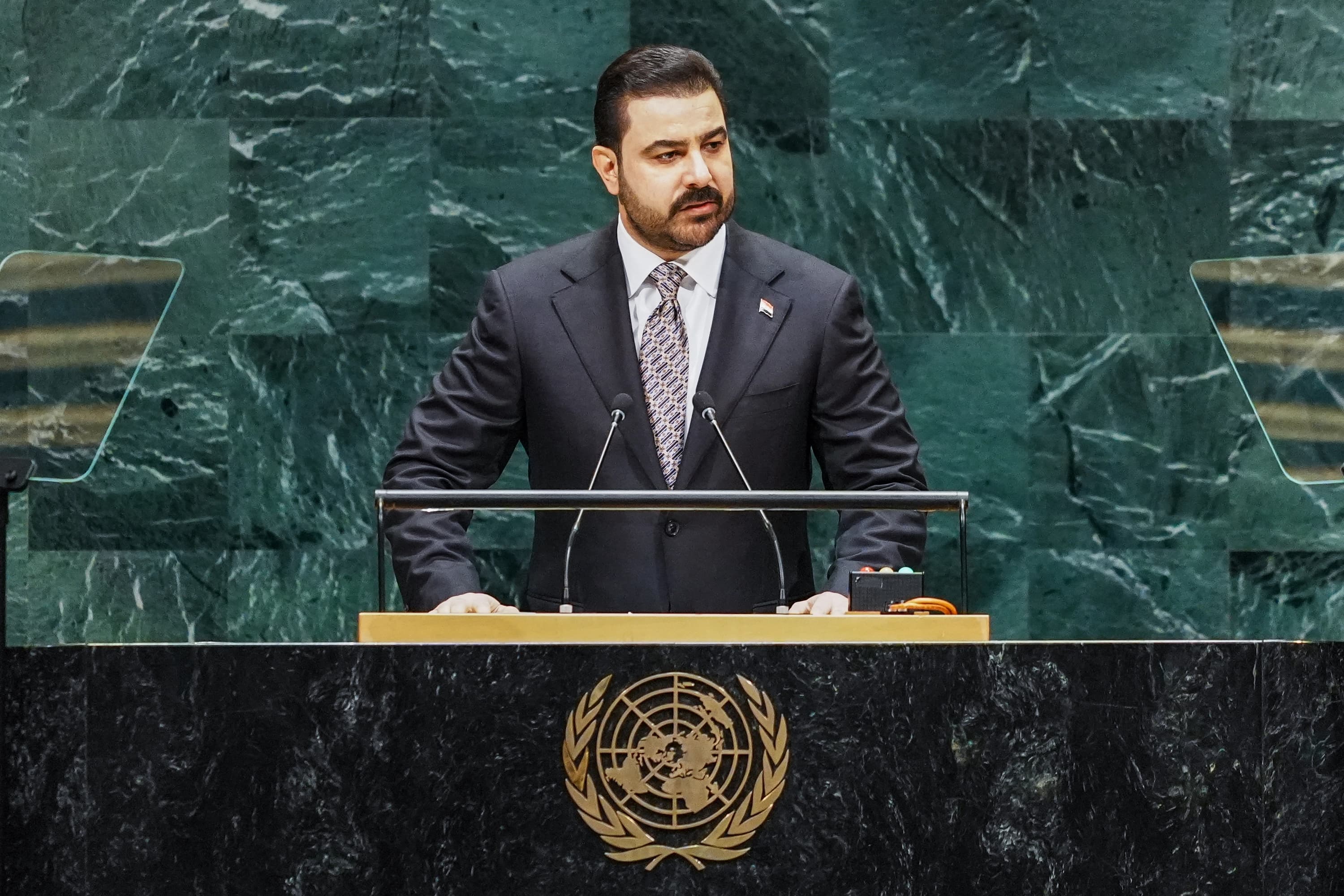
In September, Iraq hosted a meeting on the sidelines of the United Nations General Assembly (UNGA) in New York to advance plans to empty and dismantle al-Hol. The gathering resulted in the creation of a US-led joint task cell to accelerate the repatriation of foreign nationals.
Despite international pressure, several governments continue to resist taking back their citizens over security concerns.
Baghdad has reached an agreement with the United Nations ensuring that no Iraqi families will remain in al-Hol by 2027, with all expected to be returned through staged repatriations.
.png&w=3840&q=75)