KRG to supply Baghdad with 450 MW of electricity for 3 years
03-09-2020
Lawk Ghafuri
Lawk Ghafuri
A+ A-
ERBIL, Kurdistan Region – The Kurdistan Regional Government (KRG) sent 450 megawatts of electricity to Baghdad and other central provinces in August, the first month of a three-year deal between Baghdad and Erbil.

Erbil and Baghdad signed an agreement in July that will see the KRG provide Iraq with electricity for the next three years. The electricity will be sent to southern and central provinces, according to Ahmed Musa, Iraqi electricity ministry spokesperson, who told Rudaw on Wednesday, “450 megawatts of electricity will be transferred to the central provinces and Baghdad through Khurmala and Kirkuk.”

“In return, the Iraqi government will provide black oil [fuel] to the power grids in Kurdistan Region that are providing the electricity,” Musa said.

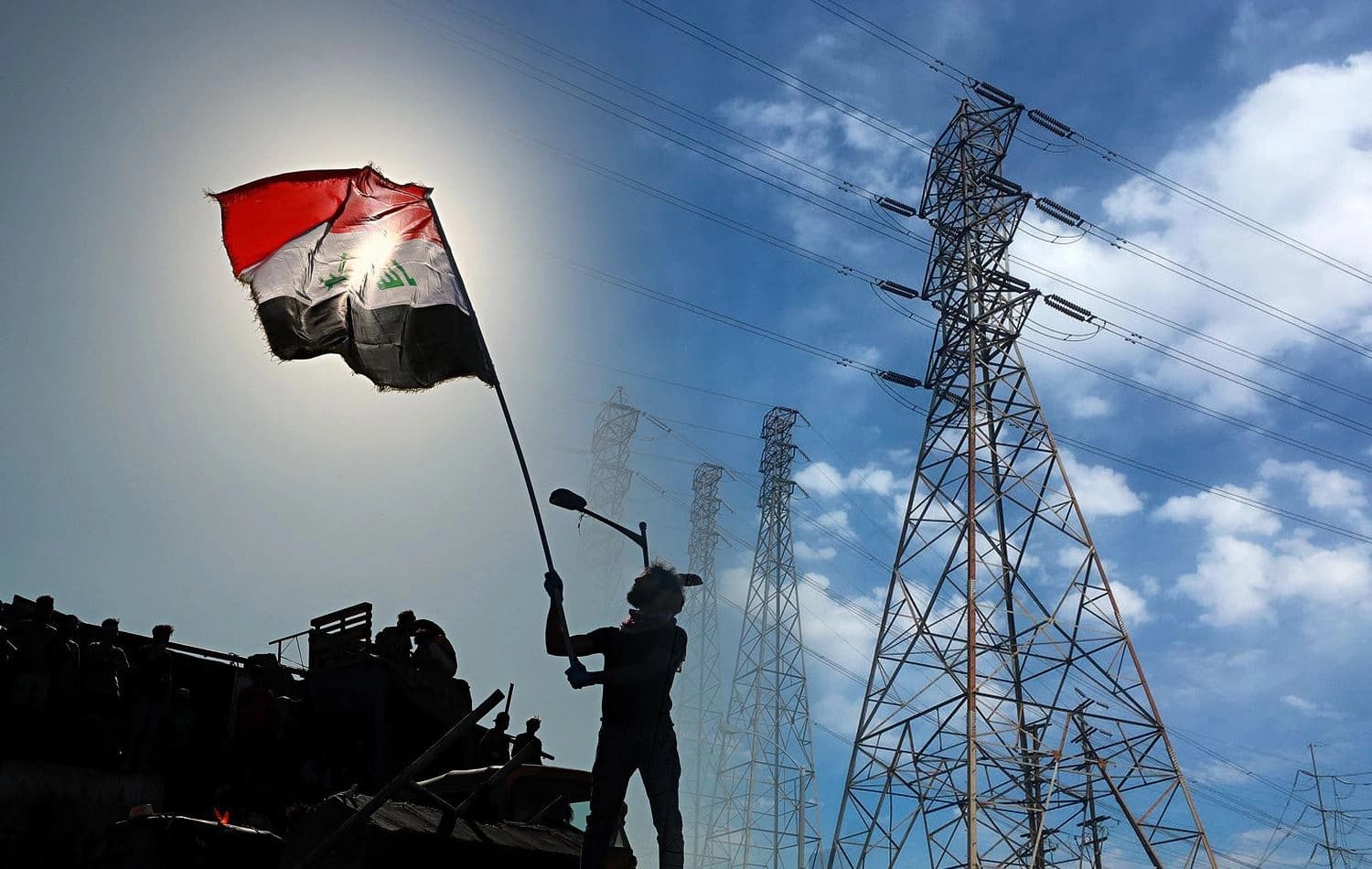
Iraq has long suffered from chronic power outages in a country where summer temperatures reach 50 degrees Celsius. Rampant electricity shortages are a rallying call for protestors, with summer demonstrations erupting annually in Iraq’s southern provinces demanding electricity to survive the heat. The deal with the Kurdistan Region will supplement other agreements with Iran and Gulf states.  

Seven privately-owned power generation stations in the Kurdistan Region are producing the 450 megawatts of electricity. 

News that Erbil had offered such a deal with Baghdad was greeted with anger by Kurds who say the government should first focus on providing 24-hour electricity to its own people. 

The KRG ministry says there will be no reduction in power on the national grid. “The amount of electricity that is being provided to Baghdad by the Kurdistan Region will not impact the electricity supply in the Kurdistan Region,” said Diyar Baban, head of the electricity supply department.

The electricity sent to Iraq will be sourced from stations that were not operational, he explained. “The seven power stations did not operate in the past due to shortage of fuel, so they resumed operation only after Baghdad showed readiness to provide fuel for them,” Baban added.

Last week, Prime Minister Masrour Barzani said his government was ready to supply Iraq with much-needed electricity, should the federal government supply the necessary fuel.

War, corruption, insecurity and lack of investment have all together contributed to a deteriorating grid, leaving Iraqis at times with just five hours of national electricity per day. Privately owned generators set up in neighborhoods try to supplement the lost hours, making Iraqis pay twice for electricity.

To make up for the shortage, Iraq has been importing electricity and natural gas to power its generation stations from neighboring Iran, much to the ire of Washington, which has imposed crippling economic sanctions on Tehran. Washington has granted Baghdad several waivers to continue imports of Iranian energy without penalty, but ultimately expects it to gradually reduce its reliance on Iranian gas and electricity imports.

The current waiver, Iraq’s ninth, issued in May, gives the country 120 days to continue its energy imports without financial penalties for the trade that has otherwise been banned by the US, after Washington withdrew from the 2015 nuclear deal and began reimposing sanctions on Iran in November 2018.

Iran exports 1200-1500 megawatts of electricity to Iraq on a daily basis, in addition to 38 million cubic meters of natural gas to feed several of Iraq’s power stations, according to Sayyid Hamid Hosseini, secretary general of Iran-Iraq Joint Chamber of Commerce. In June, Baghdad and Tehran signed a two-year contract to continue the imports.

Iraq has also signed deals with German giant Siemens and American General Electric to overhaul its outdated grid. And Baghdad has met 80 percent of its obligations required in a deal to begin importing 500 megawatts of electricity from Gulf states.

The deal that was signed last year with the Gulf Cooperation Council Interconnection Authority (GCCIA) aims to increase the electricity supply in Iraq and push Baghdad to be less dependent on Iranian energy. Under the plan that has yet to be implemented, Iraq was slated to import 500 megawatts of electricity from Sunni Arab Gulf countries on the payroll of the GCCIA before this summer. However, due to spread of the coronavirus and the global economic crisis, implementation has been delayed to next year.

Comments

Rudaw moderates all comments submitted on our website. We welcome comments which are relevant to the article and encourage further discussion about the issues that matter to you. We also welcome constructive criticism about Rudaw.

To be approved for publication, however, your comments must meet our community guidelines.

We will not tolerate the following: profanity, threats, personal attacks, vulgarity, abuse (such as sexism, racism, homophobia or xenophobia), or commercial or personal promotion.

Comments that do not meet our guidelines will be rejected. Comments are not edited – they are either approved or rejected.

Post a comment

Required
Required