


Iraq

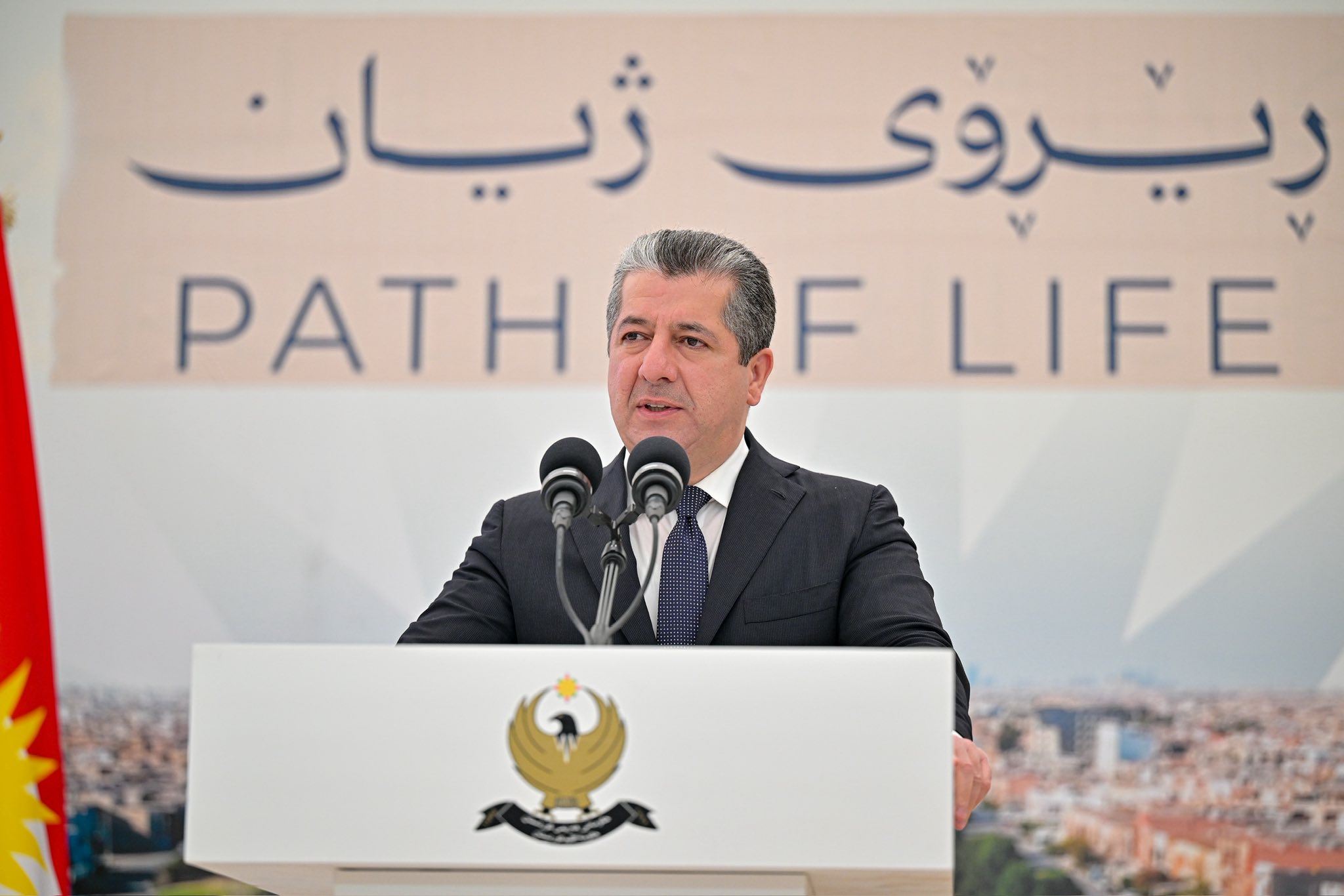
Kurdistan Region Prime Minister Masrour Barzani speaking at an event in Erbil on November 5, 2025. Photo: KRG
ERBIL, Kurdistan Region - Kurdistan Region Prime Minister Masrour Barzani on Thursday accused the federal government of politicizing the salaries of over one million civil servants in the Region, as Baghdad continues to delay their disbursement.
“Unfortunately, the salaries’ issue has been politicized,” Prime Minister Barzani told Rudaw, adding, “We have always said that the [Kurdistan] Regional Government [KRG] has fulfilled all of its commitments [toward Baghdad]. We have done everything required - and even more.”
For years, the Iraqi government has failed to release the Kurdistan Region’s share of the federal budget on time, often accusing Erbil of not meeting its financial obligations - a claim the KRG has consistently denied.
The KRG independently exported its oil for over a decade. However, those exports were halted in March 2023 following a ruling by a Paris-based arbitration court. Exports resumed in late September after a landmark deal between Erbil, Baghdad, and international oil companies (IOCs) operating in the Region.
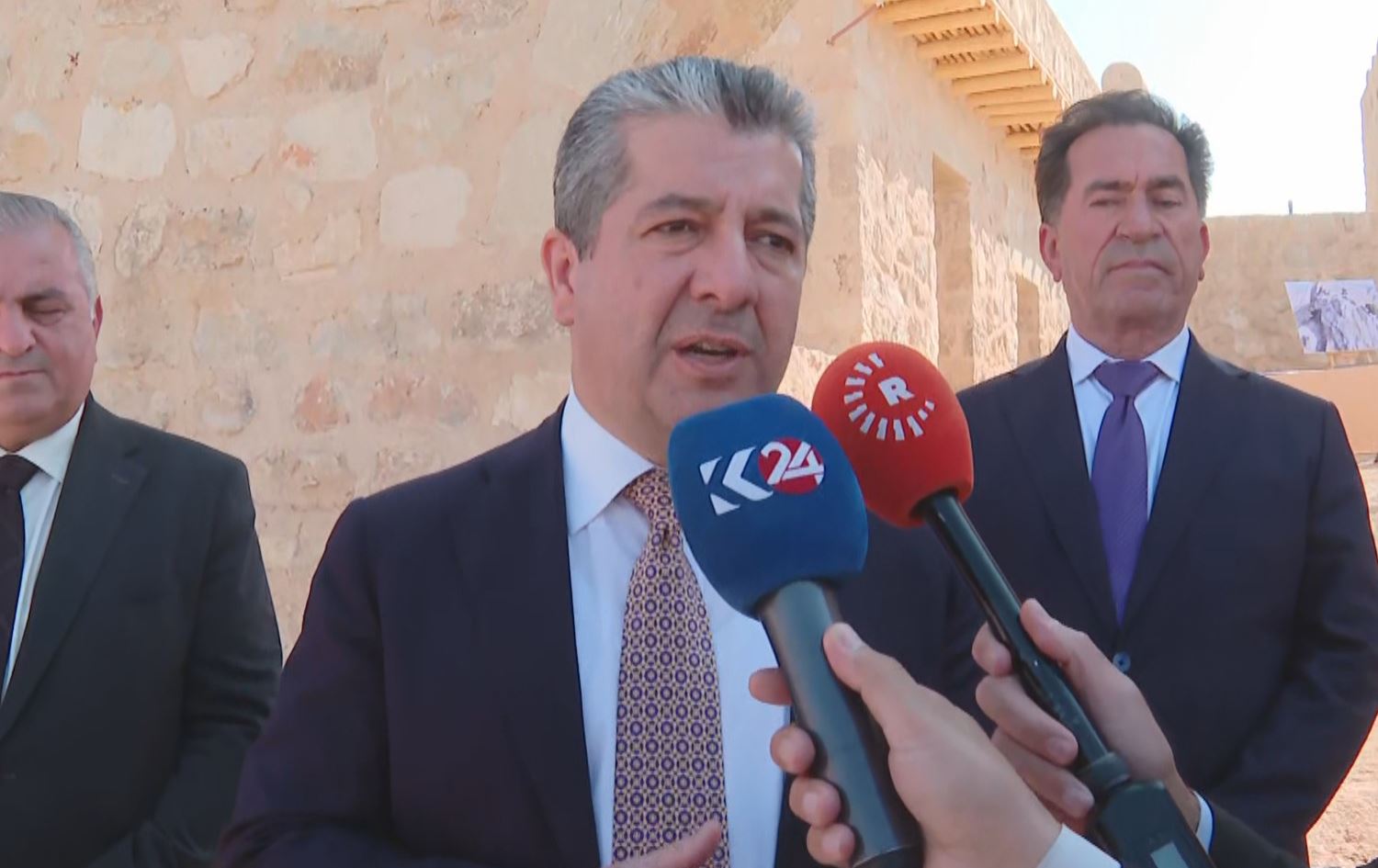
While the agreement initially raised hopes of easing financial tensions between the two sides, disputes have persisted.
“We were expecting the federal government to act responsibly toward the Kurdistan Region,” Prime Minister Barzani said, “but unfortunately, they continue to postpone the disbursement of salaries.”
Nonetheless, the Kurdish Premier reaffirmed that the KRG “will continue to fight for the financial entitlements of its civil servants.”
As of Thursday, the Iraqi government has yet to pay the salaries of KRG civil servants for September. Baghdad has also failed to allocate the retirement entitlements of numerous recently retired KRG employees.
Farhad Dolamari contributed to this article from Erbil.


Comments
Rudaw moderates all comments submitted on our website. We welcome comments which are relevant to the article and encourage further discussion about the issues that matter to you. We also welcome constructive criticism about Rudaw.
To be approved for publication, however, your comments must meet our community guidelines.
We will not tolerate the following: profanity, threats, personal attacks, vulgarity, abuse (such as sexism, racism, homophobia or xenophobia), or commercial or personal promotion.
Comments that do not meet our guidelines will be rejected. Comments are not edited – they are either approved or rejected.
Post a comment