



Error occured during this request! Please try again later.
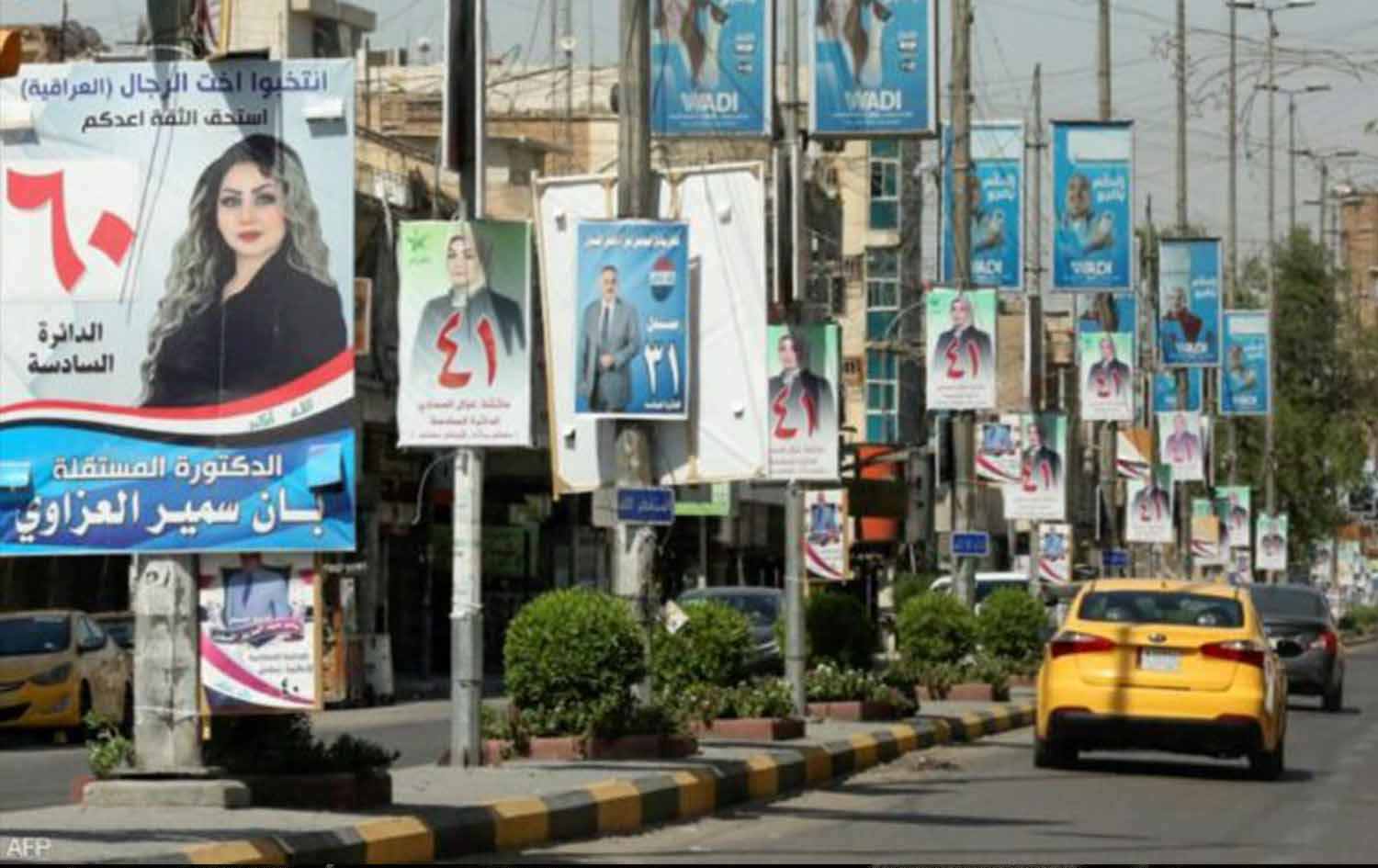
ERBIL, Kurdistan Region - Iraqi women paved the road to greater political participation in October’s early election, winning seats beyond their quota as they challenged the existing gender stereotypes and limited support, the United Nations highlighted in its recent report published on Monday.
“The performance of Iraqi women in the October elections marks a major improvement from the 2018 elections, with 29 percent representation up from 25 percent,” the United Nations Assistance Mission for Iraq (UNAMI) said.
Iraqis headed to the polls on October 10 under a new electoral law that radically changed the voting system. Under the new law, Iraq was divided into 83 constituencies with each allocating a seat for a woman.
The Iraqi constitution grants women at least 25 percent of the seats in the parliament.
The vote saw the participation of 946 women of a total of 3,225 candidates, according to the report, representing 29 percent of the candidates.
Women excelled in the election as they reserved 95 seats of the 329-seated legislature, despite “security challenges, cultural and traditional gender roles in rural areas, violence against female candidates, limited training, insufficient political party support, and financial resources.”
The report revealed that the majority of women who won were politically affiliated, indicating that political parties remain a key avenue to enter parliament.
“Iraqi women have proven that when they have the opportunity to enter politics, they excel. The 2021 election is a case in point – an unprecedented number of seats went to women candidates, above their quota,” the report quoted the Deputy Special Representative of the Secretary-General for Iraq for Political and Electoral Affairs Ingibjörg Sólrún Gísladóttir as saying.
However, a total of 33 parties had no female candidates, UNAMI noted.
October’s vote was called in response to mass protests in the country beginning in October 2019, caused by widespread dissatisfaction with Iraq’s politicians and endemic corruption in the country.
The Sadrist movement emerged as the kingmaker of the election, securing 73 seats, 31 of which were won by women.
Iraq elected the speaker of the parliament and his two deputies in January but has so far failed to vote in a new president. The legislature reopened the door for presidential candidates for the third time on Sunday.
“The performance of Iraqi women in the October elections marks a major improvement from the 2018 elections, with 29 percent representation up from 25 percent,” the United Nations Assistance Mission for Iraq (UNAMI) said.
Iraqis headed to the polls on October 10 under a new electoral law that radically changed the voting system. Under the new law, Iraq was divided into 83 constituencies with each allocating a seat for a woman.
The Iraqi constitution grants women at least 25 percent of the seats in the parliament.
The vote saw the participation of 946 women of a total of 3,225 candidates, according to the report, representing 29 percent of the candidates.
Women excelled in the election as they reserved 95 seats of the 329-seated legislature, despite “security challenges, cultural and traditional gender roles in rural areas, violence against female candidates, limited training, insufficient political party support, and financial resources.”
The report revealed that the majority of women who won were politically affiliated, indicating that political parties remain a key avenue to enter parliament.
“Iraqi women have proven that when they have the opportunity to enter politics, they excel. The 2021 election is a case in point – an unprecedented number of seats went to women candidates, above their quota,” the report quoted the Deputy Special Representative of the Secretary-General for Iraq for Political and Electoral Affairs Ingibjörg Sólrún Gísladóttir as saying.
However, a total of 33 parties had no female candidates, UNAMI noted.
October’s vote was called in response to mass protests in the country beginning in October 2019, caused by widespread dissatisfaction with Iraq’s politicians and endemic corruption in the country.
The Sadrist movement emerged as the kingmaker of the election, securing 73 seats, 31 of which were won by women.
Iraq elected the speaker of the parliament and his two deputies in January but has so far failed to vote in a new president. The legislature reopened the door for presidential candidates for the third time on Sunday.


Comments
Rudaw moderates all comments submitted on our website. We welcome comments which are relevant to the article and encourage further discussion about the issues that matter to you. We also welcome constructive criticism about Rudaw.
To be approved for publication, however, your comments must meet our community guidelines.
We will not tolerate the following: profanity, threats, personal attacks, vulgarity, abuse (such as sexism, racism, homophobia or xenophobia), or commercial or personal promotion.
Comments that do not meet our guidelines will be rejected. Comments are not edited – they are either approved or rejected.
Post a comment