


Error occured during this request! Please try again later.
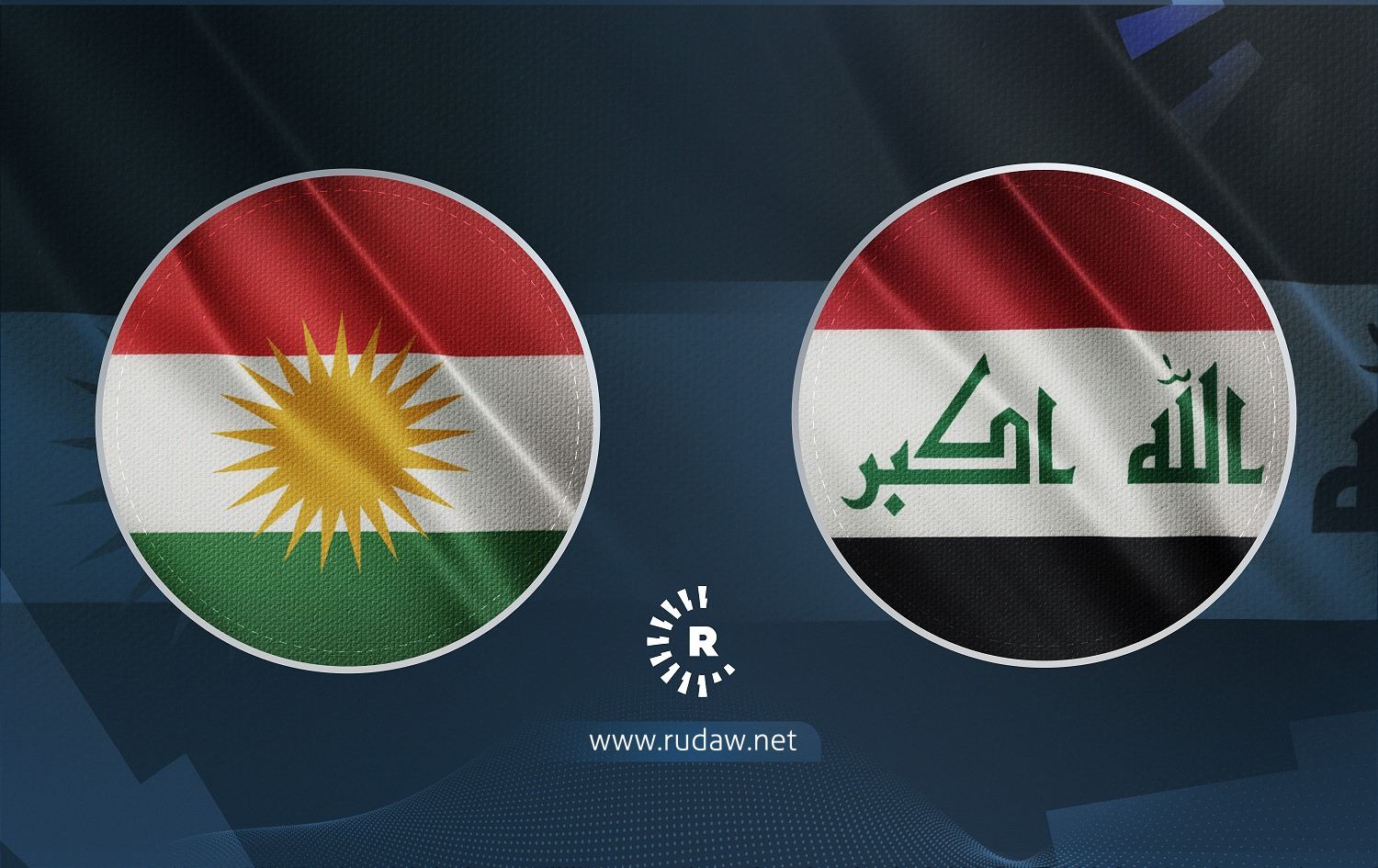
ERBIL, Kurdistan Region — Jeanine Hennis-Plasschaert, head of the United Nations Assistance Mission for Iraq (UNAMI), told the UN Security Council on Tuesday that she is not optimistic about the ongoing talks between Erbil and Baghdad, saying they need “clear-cut implementation mechanisms.”
“One thing is clear: the all-important Baghdad-Erbil relationship urgently requires sustained, strategic dialogue as well as clear-cut implementation mechanisms. I have to admit: my experiences thus far do not lend themselves to optimism in this regard,” Hennis-Plasschaert said when briefing the Security Council during a virtual meeting.
Hennis-Plasschaert, who took office in 2018, has highlighted Erbil-Baghdad relations in her briefings to the council in recent years. She has also been involved in some of the talks, especially the one which led to agreement between both governments over the disputed district of Shingal.
Erbil-Baghdad relations have seen several ups and downs in the last decade, especially after the Kurdistan Region’s decision to export its oil independently led to suspension of the federal budget. The budget, control of disputed areas and oil have been the meat of the talks between Erbil and Baghdad.
Nearly two months after the passage of Iraq’s 2021 federal budget, which has specified the Region’s share of funds, the law has not been implemented. Kurdish officials have also accused Baghdad of failing to implement the landmark agreement on Shingal.
Kurdistan Region President Nechirvan Barzani sent a letter to the UN Secretary General and members of the Security Council last month, asking that UNAMI play a mediatory role between Erbil and Baghdad.
Hennis-Plasschaert told the members of the Council that “It is my hope that the Kurdish calls for stepped up UN mediation will bear fruit. But for that to happen, UNAMI needs the buy-in of the federal authorities as well.”
Meetings between Iraqi and Kurdish officials continue with the hopes of reaching a concrete agreement on several issues.
Iraqi PM Mustafa al-Kadhimi told reporters this week that Erbil-Baghdad relations are in a “golden age.”
“Now is the golden age of relations between Iraq and the Kurdistan Region. We have worked on fixing various issues in recent years. We are working hard on solving the issues between the two parties. The agreement on the budget bill and article 11 was good, proving that we are serious.”
Elections
Parliamentary elections in Iraq are scheduled to take place on October 10. Parties have formed coalitions and talks to form bigger coalitions are ongoing, but the head of UNAMI warned that “disagreements could easily be exploited."
She called on “all Iraqi stakeholders to uphold the integrity of the electoral process. Political pressure and interference, intimidation, and illicit financial flows are all most harmful to the credibility of elections.”
“Candidates, campaigners, the media and voters must be free to exercise their democratic rights before, during and after the election,” she added.
The increase in the cases of assassinations, kidnappings and other crimes by unknown gunmen - believed to be affiliated to pro-Iran militants - have angered the public. There have been protests in the country, condemning the crimes. The assassination of an activist in Karbala by unknown gunmen this week was condemned locally and internationally, followed by another assassination attempt against a journalist in Diwaniyah.
The UNAMI head said these incidents will have an impact on the elections.
“Continued impunity for serious crimes and human rights violations - such as targeted killings, abductions and intimidation - can only embolden perpetrators, further eroding trust in the state and raising serious concerns ahead of the October elections,” she said.
Kurdish political parties have held talks to be unified in Baghdad. President Barzani met with leaders from several Kurdish parties in this regard. However, only the Patriotic Union of Kurdistan and the Change Movement (Gorran) have formed an alliance for the upcoming elections.
Hennis-Plasschaert said "the recent efforts of the Kurdish Presidency seeking to build greater Kurdish unity are commendable and encouraging. A federation is only as strong as the bonds between its components, and these bonds are strengthened by community reconciliation and cohesion."


Comments
Rudaw moderates all comments submitted on our website. We welcome comments which are relevant to the article and encourage further discussion about the issues that matter to you. We also welcome constructive criticism about Rudaw.
To be approved for publication, however, your comments must meet our community guidelines.
We will not tolerate the following: profanity, threats, personal attacks, vulgarity, abuse (such as sexism, racism, homophobia or xenophobia), or commercial or personal promotion.
Comments that do not meet our guidelines will be rejected. Comments are not edited – they are either approved or rejected.
Post a comment