
ERBIL, Kurdistan Region - More than 4,000 inmates have been transferred out of Baghdad’s Karkh prison to facilities in Babil and Nasiriyah in Dhi Qar province to make room for thousands of Islamic State (ISIS) detainees being moved from northeastern Syria (Rojava) to Iraq, Iraqi officials and lawmakers said.
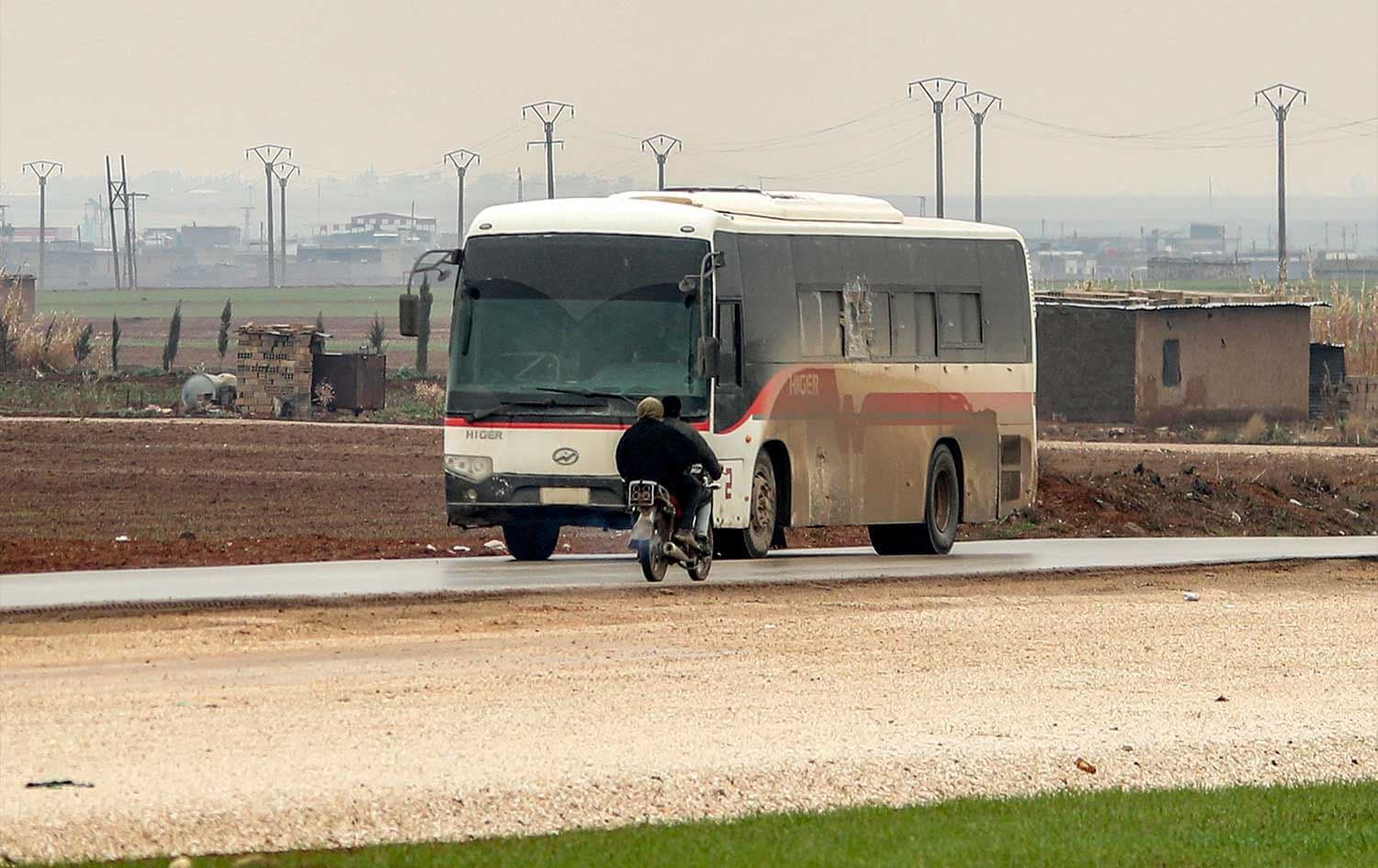
Convoys of ISIS detainees have been arriving in Iraq in stages from Rojava. According to Iraqi security data obtained by Rudaw, about 6,000 detainees were transferred in 34 convoys.
Shakir Tamimi, a member of the Iraqi Parliament, warned of the risks posed by holding such a large group inside Iraq’s prison system. “It would have been better if the international coalition had transferred them to another country, especially since the number of Iraqis among them is not that high," Tamimi told Rudaw on Thursday, adding that the Iraqi government "has no information about them. Those entering the prisons may also influence other inmates; this is a major problem.”
Lawmaker Safa Jabri told Rudaw on Thursday those accused of crimes in Iraq would face prosecution. “As far as the transfer, protection, and investigation of the detainees are concerned, if they have committed crimes against Iraqis or were involved in such acts, they will be referred to Iraqi courts for full legal proceedings," Jabri said, adding that he would support the measures.
The detainees transferred to Iraq include nationals from more than 50 countries, a fact that has fueled political concern in Baghdad.
They include 3,245 Syrians, 271 Iraqis, and 610 nationals from other Arab countries such as Egypt, Tunisia, Morocco, and Saudi Arabia, in addition to more than 900 foreigners from Europe, Asia, and Australia.
Among them are 27 Germans - the largest European group - along with 10 from the Netherlands, nine from the United Kingdom, 13 Australians, four Swedes, three French nationals, more than 130 Russians, and 160 Turkish suspects.
Responsibility for the detainees has been handed to the Supreme Judicial Council of Iraq, which will oversee investigations and trials.
Officials say foreign ISIS members who committed crimes on Iraqi soil will be tried under Iraqi law, while those whose home countries request repatriation may be handed over provided they did not commit offenses in Iraq.
Justice Minister Khaled Shwani said Wednesday Iraq will take in all ISIS prisoners from Syria and hold them in high-security facilities as they await charges or repatriation. He described the detainees as “extremely dangerous” senior ISIS leaders.
Ali Dhia, assistant head of Iraq’s National Center for International Judicial Cooperation - an affiliate of the Supreme Judicial Council - said earlier this week that the group includes perpetrators of some of ISIS’s worst crimes.
Among the 7,000 to 8,000 prisoners being transferred are “individuals who committed crimes against our Yazidi people, as well as those involved in crimes involving the use of chemical weapons in Iraq during the period of ISIS control,” he said.
Dhia added that preliminary investigations show “a number of them are considered highly dangerous, are leaders within ISIS terrorist gangs, and are perpetrators of genocide and crimes against humanity and Iraqi components.”
The transfers follow a security shake-up in northeastern Syria. The US military said it began moving roughly 7,000 ISIS suspects from prisons run by the Kurdish-led Syrian Democratic Forces (SDF) last month after prison breaks and fighting raised fears of a wider security crisis.
In mid-January, the Syrian Arab Army and allied groups advanced into several cities formerly under SDF control.
After weeks of clashes, the SDF and Damascus announced on January 29 an internationally brokered agreement to end hostilities and integrate Rojava’s civil and military institutions, including Kurdish-led forces, into state structures.