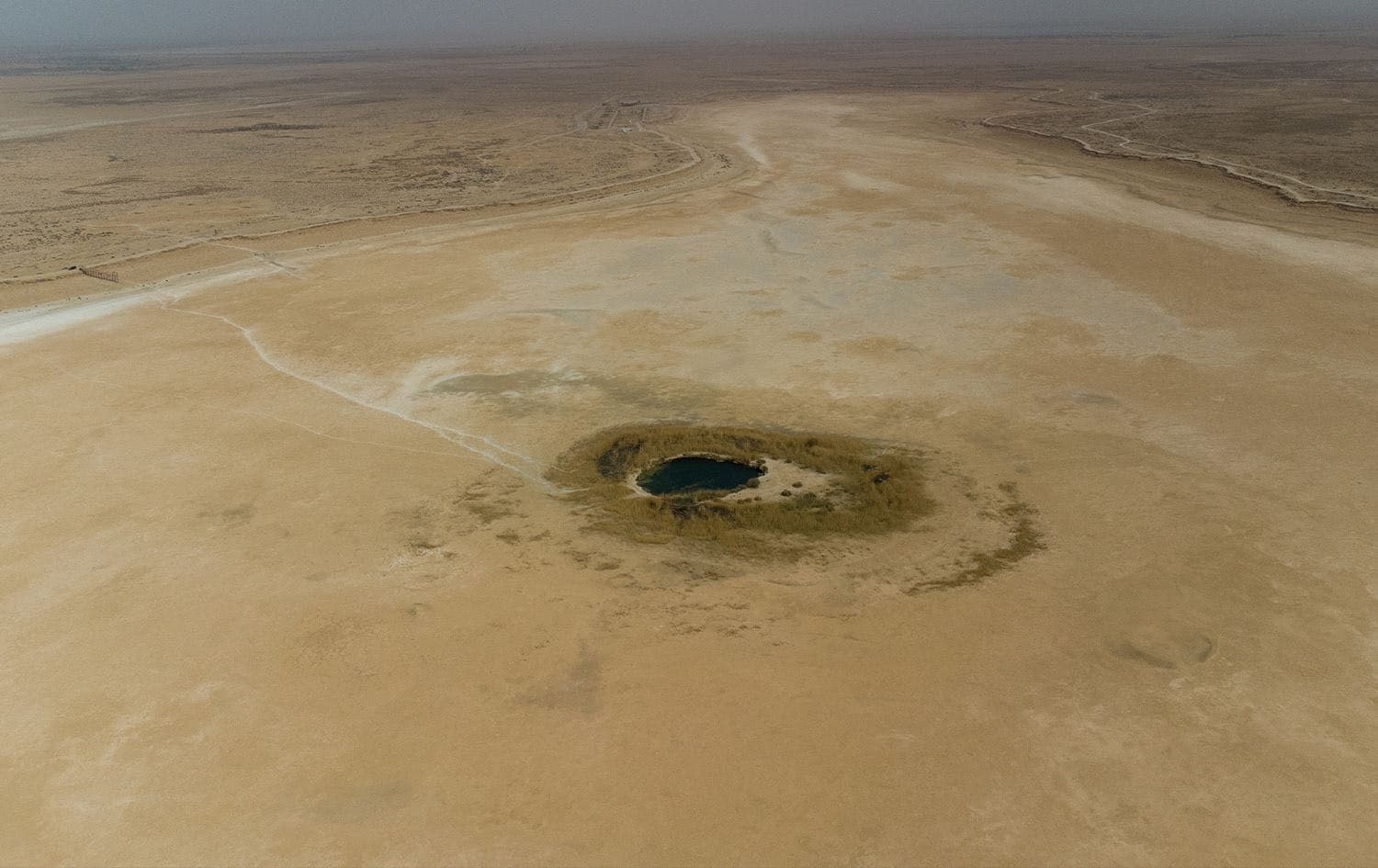

ERBIL, Kurdistan Region - Iraq has lost one million trees in just two years as drought and climate change devastate the country's already sparse vegetation, an environmental group warned Saturday.
Green Vision Iraq said the massive tree loss was caused by drought conditions affecting most provinces, with many trees succumbing to disease after drying out from a lack of water.
"Green spaces that serve as the lungs of cities have dried up, become polluted, and died," the organization said in a statement.
The group also blamed human activity, saying some trees were deliberately cut down and sold to fish smoking shops, particularly mulberry trees prized for flavoring smoked fish in Diyala province.
Iraq's green space coverage stands at just 0.2 dunams per person - far below the global average of 12 dunams - according to the Numbeo Quality of Life Index, which said each Iraqi needs 75 trees for an adequate oxygen supply.
Climate change inflicts daily economic losses of around $1 million on Iraq, with the health sector bearing the brunt through respiratory illness treatment costs, the environmental group noted.
The Iraqi parliament’s agriculture, water, and marshes committee has warned that desertification now affects more than 20 areas across Iraq, calling for a comprehensive national strategy to combat the "dangerous" environmental phenomenon.
The crisis has been worsened by reduced water flow in the Tigris and Euphrates rivers, with levels dropping 30 to 40 percent compared to normal averages due to upstream dam construction by Turkey and Iran.
Water Resources Minister Aoun Diab described 2025 as "one of the hardest years Iraq will face in terms of water," with national reserves falling to less than 8 billion cubic meters - the lowest level in decades.
Iraq is among the countries most vulnerable to climate change and is facing the worst drought since 1933, according to the United Nations.
.webp&w=3840&q=75)