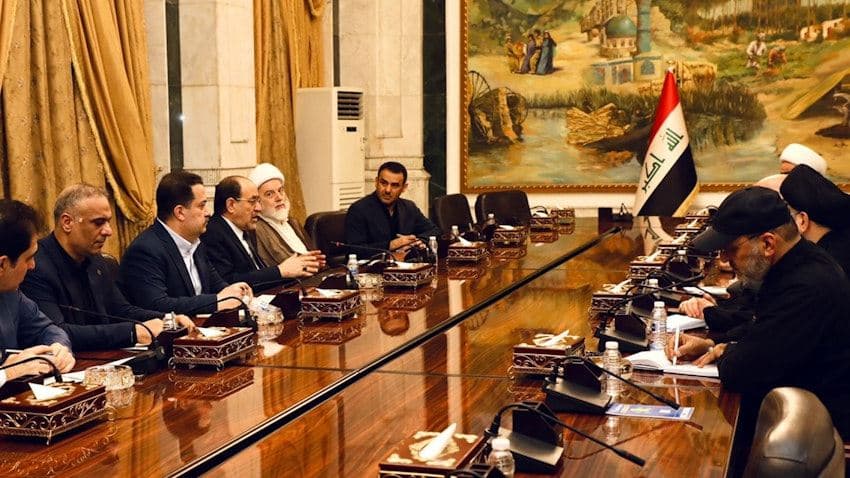
ERBIL, Kurdistan Region - Iraq’s ruling Shiite Coordination Framework has postponed its meeting to select a prime ministerial nominee from Wednesday to Saturday, a senior official from the alliance told Rudaw, saying the delay is intended to allow member parties to continue consultations and reach a final agreement on a candidate for the top post, which is traditionally held by a Shiite.
“The Coordination Framework’s meeting has been postponed to Saturday to allow time to reach consensus on one of the candidates. As of today, no changes have been made to the list of nominees presented for the post,” said Fahd al-Jubouri, a member of the Hikmah Movement led by prominent Iraqi Shiite cleric Ammar al-Hakim, a key figure within the bloc.
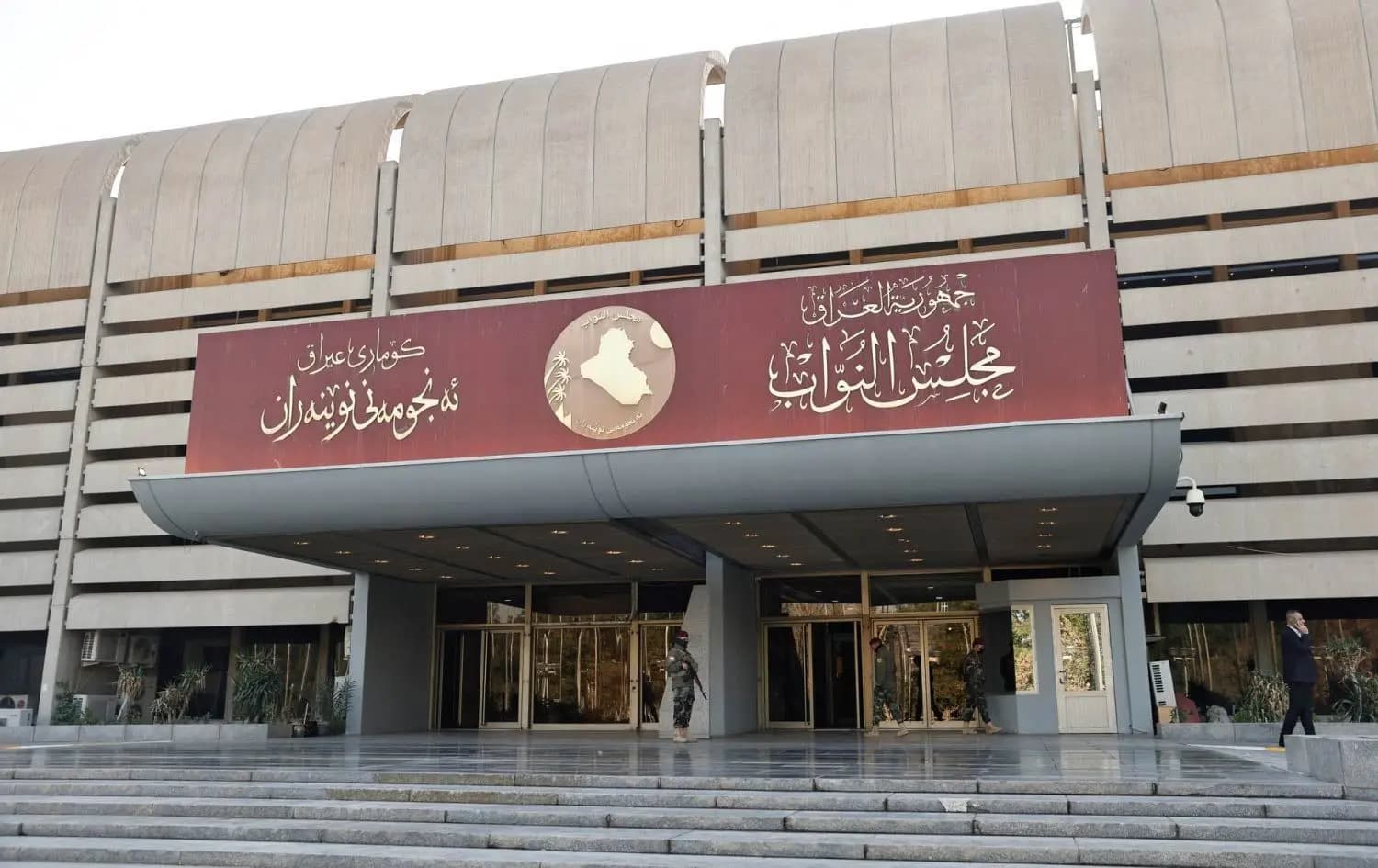
Iraq held legislative elections in early November and in late December, parliament elected its speaker and two deputies. On Sunday, parliament elected the Patriotic Union of Kurdistan's (PUK) nominee, Nizar Amedi, as president.
Under the constitution, once sworn in, the president has up to 15 days to task the nominee of the largest parliamentary bloc - the Coordination Framework - with forming a government.
According to Jubouri, the candidates under consideration include former prime minister and head of the State of Law coalition Nouri al-Maliki (2006-2014) and incumbent premier Mohammed Shia’ al-Sudani.
Another new name being circulated is head of the Supreme National Commission for Accountability and Justice Bassem al-Badri - a senior figure in the Maliki-led Islamic Dawa Party. He holds a post doctoral degree in agricultural economics and has authored more than 25 research papers on food security and water resource management.
Haider Barzanji, an Iraqi political analyst and advisor to leading figures within the Coordination Framework, told Rudaw that the alliance’s selection mechanism “requires a candidate to secure at least eight out of twelve votes from its 12-member leadership in order to become the official nominee.”
He added, “It remains unclear which candidate can secure a majority,” anticipating that the vote may be conducted by secret ballot to avoid internal disputes.
Importantly, the Coordination Framework had in late January nominated Maliki for the post of premier. However, the move was swiftly criticized by US President Trump, who called his candidacy a “very bad choice” and warned that Washington would “no longer help Iraq” if the former prime minister returns to office.
Maliki, a longtime ally of Iran, then criticized Trump’s remarks as “blatant American interference” in Iraq’s internal affairs and rejected any divisions within the Coordination Framework over his nomination.
According to Barzanji, Maliki remains a contender as “he has not withdrawn his candidacy. However, he is prepared to do so on the condition that Bassem al-Badri becomes the candidate,” the analyst said, adding that Maliki opposes the nomination of incumbent Prime Minister Sudani for another term by the Coordination Framework.
Earlier on Monday, Amer al-Fayez, head of the Tasmim Alliance, another faction within the Coordination Framework, told Rudaw that the alliance still has “enough time to settle the prime ministerial candidate issue,” noting that discussions will likely center on “whether Maliki will remain the candidate or whether another name will be put forward,” and adding that any nominee “must secure two-thirds of the members’ votes.”
Fayez added that if Maliki’s candidacy for the premiership is withdrawn, other names include Sudani, Badri, former premier Haider al-Abadi (2014-2018), former planning minister Ali al-Shukri, and Mohammed Sahib al-Darraji, a technical advisor to the Iraqi government.
Meanwhile, Mohammed al-Khalidi, a senior member of the Sudani-led Reconstruction and Development Coalition, told Rudaw that the incumbent premier has the “strongest chance” among the candidates, affirming the bloc’s rejection of “a consensus or compromise candidate.”