ERBIL, Kurdistan Region - Iraq said on Tuesday that it has handed over two suspects - a minor from Finland, and an American citizen, to authorities from their respective countries “after it was established that they were not affiliated with the Islamic State.” The individuals are among thousands of ISIS prisoners recently transferred from Syria.
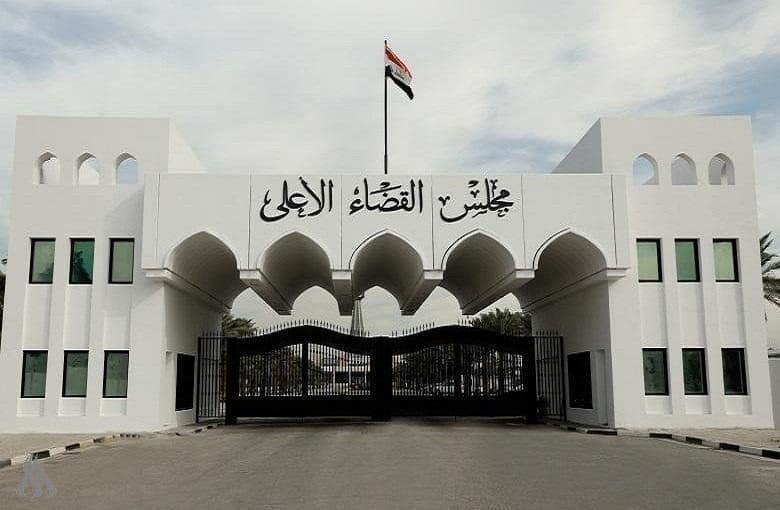
Iraq's Supreme Judicial Council’s National Center for International Judicial Cooperation said in a statement that "the transfer process took place after the completion of all legal and judicial procedures, within the framework of international judicial coordination and cooperation with the relevant authorities, and as part of Iraq's ongoing efforts to manage the cases of detainees related to terrorism."
It affirmed "the continuation of coordination and cooperation with international judicial bodies, which contributes to achieving justice and strengthening efforts aimed at combating terrorism and preventing those involved from escaping punishment."
The judiciary did not explicitly mention in its statement whether the two individuals were among the thousands of ISIS suspects transferred from Syria earlier this week, but it confirmed to Rudaw that they were among them.
In mid-February, the United States military transferred 5,704 male ISIS prisoners from detention facilities run by the Kurdish-led Syrian Democratic Forces (SDF) in northeastern Syria, a major operation that lasted 23 days. The transfer was amid intense fighting between the SDF and Damascus-affiliated forces in Kurdish-held areas.
A judiciary official has already confirmed that Iraq will prosecute all 5,704 militants transferred from Syria. Of the detainees, 467 are Iraqi nationals, 4,253 are non-Iraqi Arabs, and 983 are citizens of dozens of other countries.
In late February, an official from Iraq’s Justice Ministry told Rudaw that Baghdad will not extradite foreign fighters of ISIS before they stand trial in Iraqi courts.
Malik Mohammed contributed to this article from Erbil, Kurdistan Region.