
ERBIL, Kurdistan Region - At least seven people were killed and six injured in a tribal clash in Iraq’s southeastern Maysan province on Saturday, a provincial official said.
“The clash was over a piece of agricultural land, and as a result, seven people from both sides were killed and six others were injured,” Hussein al-Mariani, a member of Maysan’s security council, told Rudaw.
The clash was between the al-Ma’amra and al-Rafi'i tribes in the Ali al-Gharbi area of western Maysan.
Mariani said four people from the Rafi'i tribe were killed and three injured, while three people from the Ma’amra tribe were killed and three others injured.
He added that security forces brought the situation under control.
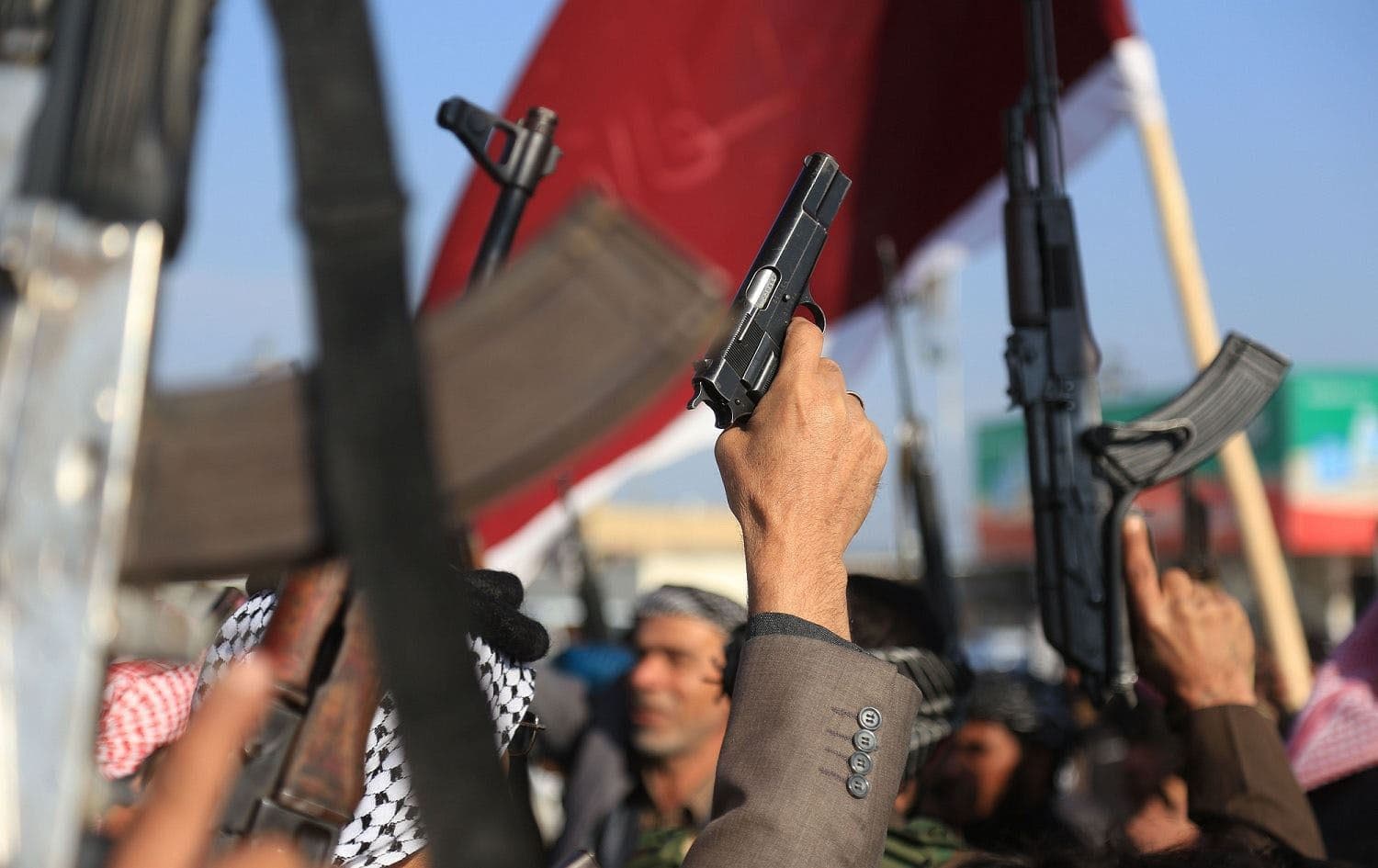
Armed tribal clashes are common in Maysan, Basra, and Dhi Qar provinces, often requiring intervention from the military. These disputes typically involve light and medium weapons and, in some cases, mortar shells.
The violence is often rooted in longstanding disputes over agricultural land, water resources, and control of border crossings. The conflicts are exacerbated by the widespread availability of weapons, many obtained from military stockpiles of the former Saddam Hussein regime and various paramilitary groups.
In early September, Mariani told Rudaw that the security situation in the province was “getting out of hand,” largely due to the growing influence of drug gangs, harassment of wealthy individuals, and the spread of vehicles with tinted windows. Two to three murders were being reported daily. Iraq’s interior minister told Rudaw at the time that over 300 “suspects and wanted” individuals were arrested in Maysan over two days.
In late October, Iraqi authorities arrested more than 27 suspects involved in tribal clashes in Dhi Qar province, southwest of Maysan, according to the interior ministry. The violence resulted in several injuries and property damage. Security forces seized weapons and ammunition.
In recent years, the dynamics of tribal violence have grown more complex, with political parties at times providing cover for affiliated tribes, further complicating efforts to impose the rule of law.
.jpg&w=3840&q=75)