Iraq
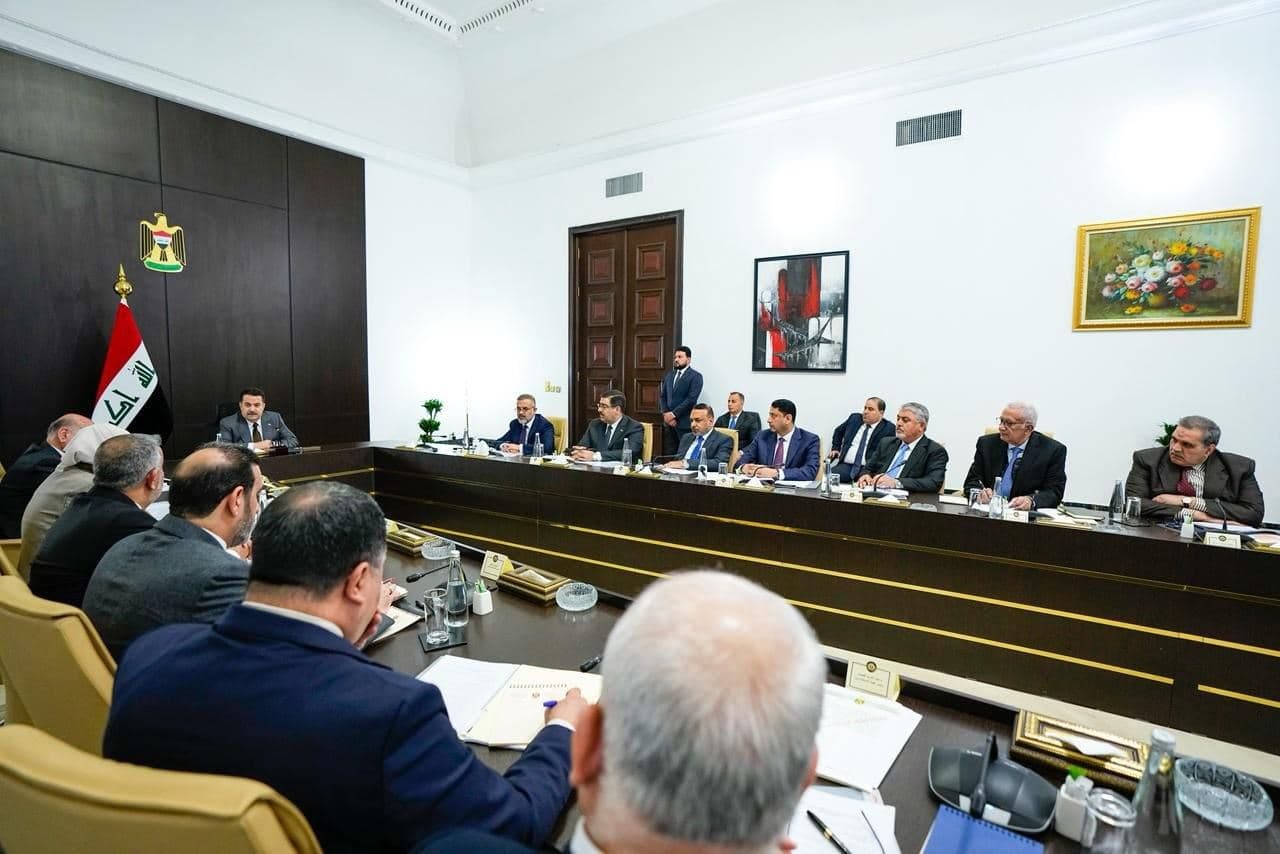
Iraqi Prime Minister Mohammed Shia' al-Sudani chairs extraordinary session with his cabinet's Economic Council on December 15, 2025. Photo: IraqiPMO/X
ERBIL, Kurdistan Region - Iraqi Prime Minister Mohammed Shia’ al-Sudani on Monday reviewed public spending - including the allocations of the country’s top officials - and discussed maximizing revenues with his cabinet’s Economic Council, according to a statement from his office. The premier also ordered a recalculation of the Kurdistan Region’s non-oil revenues.
In an “extraordinary session” with the Council, the Iraqi premier discussed “the allowances and salaries of the three presidencies,” directing “an urgent review of this file” and calling for “the equalization of salaries and allowances for all staff in the Presidency of the Republic and the Presidency of the Council of Representatives with those of the Prime Ministry staff.”
He also instructed that a planning ministry committee update the unified salary scale report per the Council’s recommendations.
The Iraqi premier further ordered that “travel allocations for state employees be cut by 90 percent, permitted only when necessary and with the minister’s approval,” and to “reduce supervision and monitoring of new projects and establish a national import program limited to essential goods.”
Iraq’s government salary structure has long been controversial.
Reports indicate that Iraqi presidents, ministers, and lawmakers receive very high salaries, with the president earning up to 90 million IQD (around $70,000) per month and each minister around 45 million IQD (approximately $34,350).
In contrast, most civil servants, including teachers and ministry staff, follow the 2008 salary scale, earning between 200,000 and 785,000 IQD ($150–$600) per month.
The wide gap has fueled calls for comprehensive salary reform.
Another topic on the Monday session’s agenda was the recalculation of the Kurdistan Region’s non-oil revenues to “maximize non-oil revenues.”
Prime Minister Sudani directed that revenues currently “deposited into the [federal] Finance Ministry’s account as a lump sum, in coordination with the Kurdistan Regional Government [KRG],” and collected by the latter from non-oil sources, be reconsidered.
The revenues are specifically those over which the Baghdad government seeks greater oversight and a standardized accounting method. They include customs duties at international border crossings and airports under KRG administration, as well as taxes and other fees collected from administrative services.
The latter decision is believed to be driven by Baghdad’s push to implement the federal budget law, which requires the KRG to remit a portion of its oil and non-oil revenues to the federal treasury to secure its share of the budget, essential for funding public employee salaries.
In an “extraordinary session” with the Council, the Iraqi premier discussed “the allowances and salaries of the three presidencies,” directing “an urgent review of this file” and calling for “the equalization of salaries and allowances for all staff in the Presidency of the Republic and the Presidency of the Council of Representatives with those of the Prime Ministry staff.”
He also instructed that a planning ministry committee update the unified salary scale report per the Council’s recommendations.
The Iraqi premier further ordered that “travel allocations for state employees be cut by 90 percent, permitted only when necessary and with the minister’s approval,” and to “reduce supervision and monitoring of new projects and establish a national import program limited to essential goods.”
Iraq’s government salary structure has long been controversial.
Reports indicate that Iraqi presidents, ministers, and lawmakers receive very high salaries, with the president earning up to 90 million IQD (around $70,000) per month and each minister around 45 million IQD (approximately $34,350).
In contrast, most civil servants, including teachers and ministry staff, follow the 2008 salary scale, earning between 200,000 and 785,000 IQD ($150–$600) per month.
The wide gap has fueled calls for comprehensive salary reform.
Another topic on the Monday session’s agenda was the recalculation of the Kurdistan Region’s non-oil revenues to “maximize non-oil revenues.”
Prime Minister Sudani directed that revenues currently “deposited into the [federal] Finance Ministry’s account as a lump sum, in coordination with the Kurdistan Regional Government [KRG],” and collected by the latter from non-oil sources, be reconsidered.
The revenues are specifically those over which the Baghdad government seeks greater oversight and a standardized accounting method. They include customs duties at international border crossings and airports under KRG administration, as well as taxes and other fees collected from administrative services.
The latter decision is believed to be driven by Baghdad’s push to implement the federal budget law, which requires the KRG to remit a portion of its oil and non-oil revenues to the federal treasury to secure its share of the budget, essential for funding public employee salaries.
Comments
Rudaw moderates all comments submitted on our website. We welcome comments which are relevant to the article and encourage further discussion about the issues that matter to you. We also welcome constructive criticism about Rudaw.
To be approved for publication, however, your comments must meet our community guidelines.
We will not tolerate the following: profanity, threats, personal attacks, vulgarity, abuse (such as sexism, racism, homophobia or xenophobia), or commercial or personal promotion.
Comments that do not meet our guidelines will be rejected. Comments are not edited – they are either approved or rejected.
Post a comment