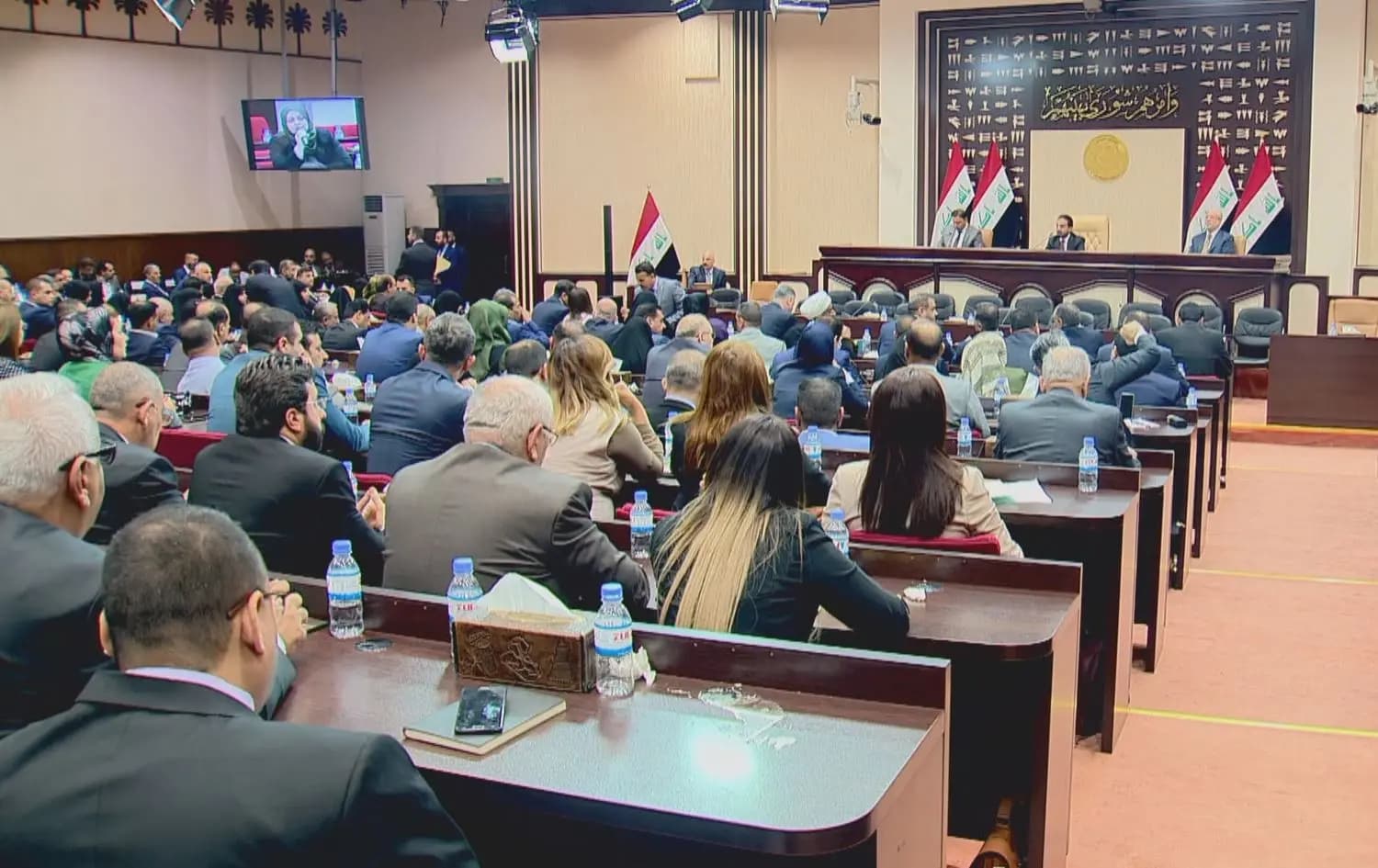
ERBIL, Kurdistan Region - Human rights monitor Amnesty International on Tuesday raised the alarm that two draft laws in the Iraqi parliament threaten the rights of freedom of expression and peaceful assembly, coinciding with a growing number of legal cases targeting people who criticise government officials.
“The people of Iraq have a right to criticize their leaders and religious figures, and to protest peacefully without fear of imprisonment and heavy fines. These rights are especially important at a time when the Iraqi people are seeking to hold government officials accountable for allegations of systemic corruption and human rights violations,” said Bissan Fakih, Amnesty International’s regional campaigner for Iraq and Yemen.
According to Amnesty, the draft Law on Freedom of Expression and Peaceful Assembly will give authorities the ability to prosecute people for public comments deemed to violate public morals or public order and the power to ban protests. The second legislation, the draft Law on Cybercrimes, would criminalise posting online content that undermines Iraq’s “economic, political, military, or security interests.” Those found guilty would face lengthy prison sentences and large fines.
“The Iraqi government should immediately withdraw these repressive draft laws and parliament should not pass any laws that would unduly restrict the human rights of Iraqis,” said Fakih.
In the past couple of days, Dawa Party leader Nouri al-Maliki and influential cleric Muqtada al-Sadr have both called for a law to criminalise insulting Shiite religious authorities.
The government’s attempt to curtail freedom of expression and the right to protest “reveals their blatant disregard for the extraordinary sacrifices made by Iraqis during the 2019 uprising to secure their freedoms,” said Fakih.
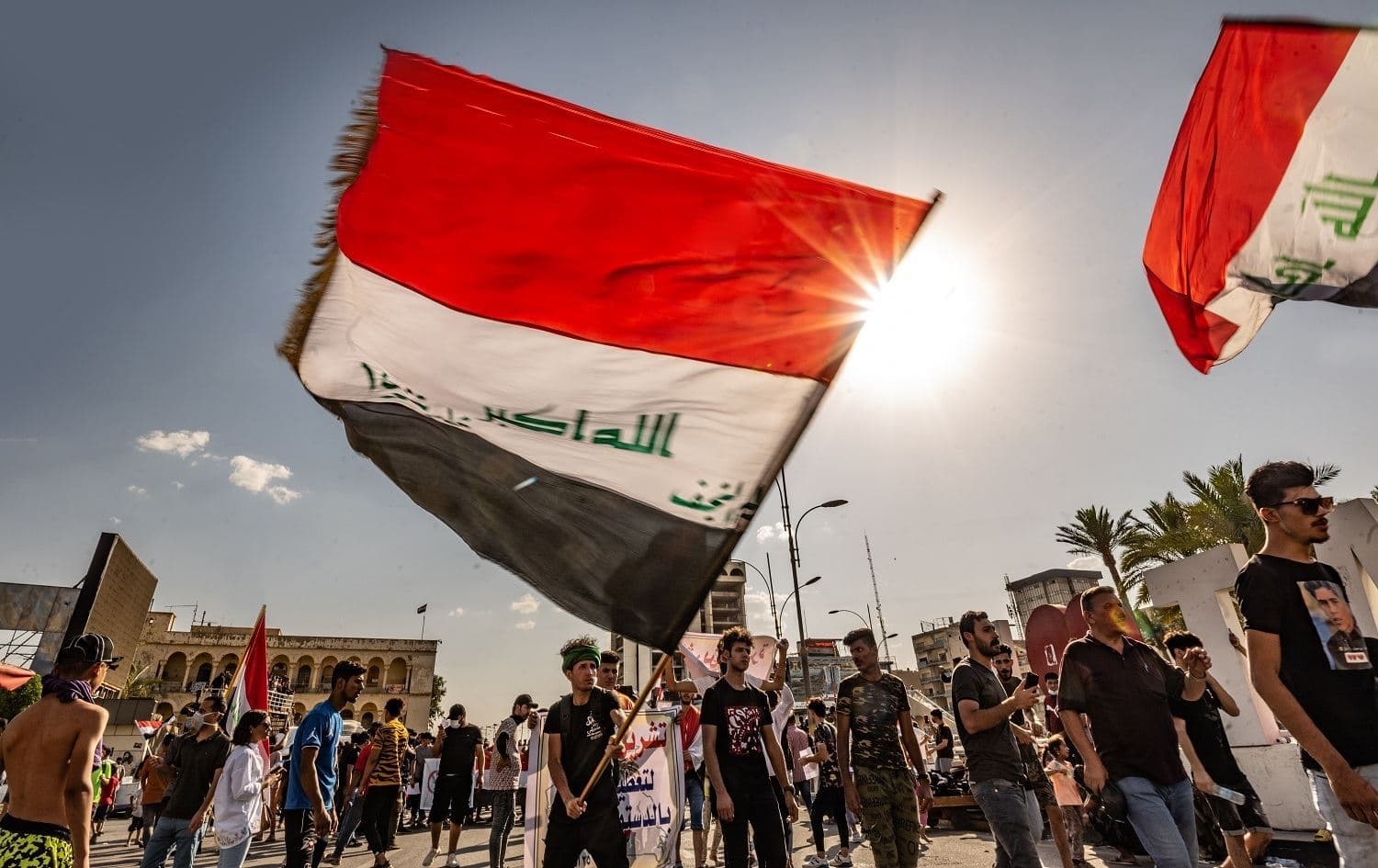
The protests that began in October 2019 lasted many months and rocked Iraq’s political establishment. Demonstrators condemned government failures, rampant corruption, and lack of employment and basic services. They succeeded in toppling the government and entering parliament in the subsequent election.
In the first six months of this year, however, at least 20 people have been prosecuted in a crackdown on free speech, according to Amnesty. One of those taken to court was a comedian who told the watchdog: “I am no longer able to make fun of a party, or the state, or a public figure … or the state of the roads, water, schools, or bridges. Why? Because it all belongs to the [political] parties.”
“The people of Iraq have a right to criticize their leaders and religious figures, and to protest peacefully without fear of imprisonment and heavy fines. These rights are especially important at a time when the Iraqi people are seeking to hold government officials accountable for allegations of systemic corruption and human rights violations,” said Bissan Fakih, Amnesty International’s regional campaigner for Iraq and Yemen.
According to Amnesty, the draft Law on Freedom of Expression and Peaceful Assembly will give authorities the ability to prosecute people for public comments deemed to violate public morals or public order and the power to ban protests. The second legislation, the draft Law on Cybercrimes, would criminalise posting online content that undermines Iraq’s “economic, political, military, or security interests.” Those found guilty would face lengthy prison sentences and large fines.
“The Iraqi government should immediately withdraw these repressive draft laws and parliament should not pass any laws that would unduly restrict the human rights of Iraqis,” said Fakih.
In the past couple of days, Dawa Party leader Nouri al-Maliki and influential cleric Muqtada al-Sadr have both called for a law to criminalise insulting Shiite religious authorities.
The government’s attempt to curtail freedom of expression and the right to protest “reveals their blatant disregard for the extraordinary sacrifices made by Iraqis during the 2019 uprising to secure their freedoms,” said Fakih.
The protests that began in October 2019 lasted many months and rocked Iraq’s political establishment. Demonstrators condemned government failures, rampant corruption, and lack of employment and basic services. They succeeded in toppling the government and entering parliament in the subsequent election.
In the first six months of this year, however, at least 20 people have been prosecuted in a crackdown on free speech, according to Amnesty. One of those taken to court was a comedian who told the watchdog: “I am no longer able to make fun of a party, or the state, or a public figure … or the state of the roads, water, schools, or bridges. Why? Because it all belongs to the [political] parties.”
Comments
Rudaw moderates all comments submitted on our website. We welcome comments which are relevant to the article and encourage further discussion about the issues that matter to you. We also welcome constructive criticism about Rudaw.
To be approved for publication, however, your comments must meet our community guidelines.
We will not tolerate the following: profanity, threats, personal attacks, vulgarity, abuse (such as sexism, racism, homophobia or xenophobia), or commercial or personal promotion.
Comments that do not meet our guidelines will be rejected. Comments are not edited – they are either approved or rejected.
Post a comment