Iraq allocates 30 billion dinars for young entrepreneurs

18-09-2021
Dilan Sirwan
Dilan Sirwan @DeelanSirwan
A+ A-
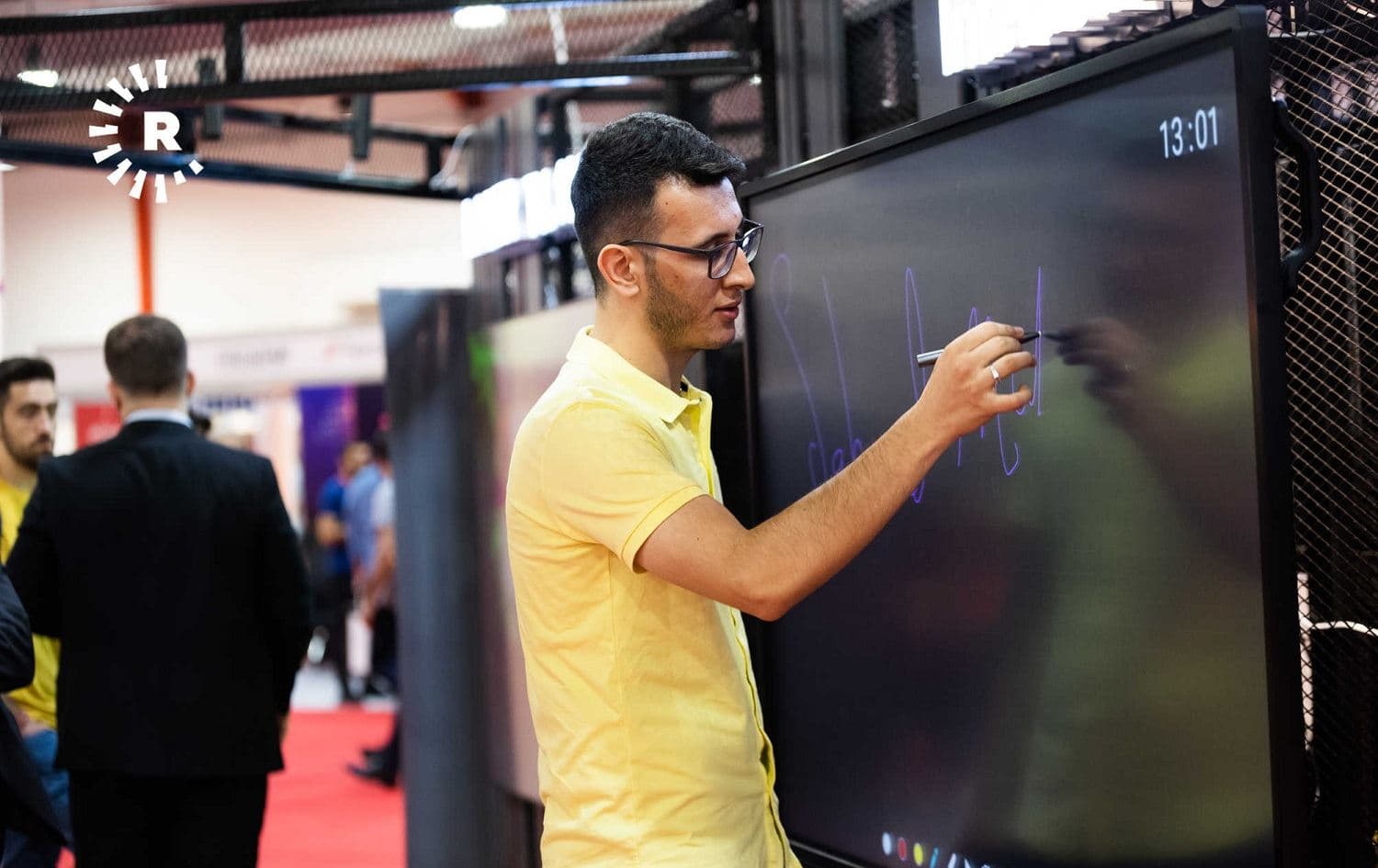
ERBIL, Kurdistan Region - Iraq is hoping to reduce youth unemployment with a 30 billion dinar investment scheme. The National Investment Commission on Saturday announced the initiative that invites young Iraqis to pitch business ideas to a panel of public and private sector experts.

“This initiative could lead to investment projects that would support the Iraqi economy and provide job opportunities in order to reduce some of the joblessness in Iraq,” commission head Suha Dawood al-Najar said in a statement.

Pitches will be made to ministers and officials from relevant institutions as well as private investors and businessmen. 

After years of conflict and the recent coronavirus pandemic, Iraqi youth are frontline victims of poverty and lack of job opportunities. According to data from the World Bank, in 2019 around 25 percent of Iraqis between the ages of 15 to 24 in the labor force were unemployed.

The Iraqi minister of finance said the Iraqi youth have potential, especially in the digital sector.

“There is intellectual potential in the youth that the ministry wants to support through a 30 billion dinar ($20.5 million) fund. The ministry will work on providing other initiatives to support youth companies, especially in the digital field which is led by the youth,” Ali Allawi was quoted saying in the statement from the investment commission.

The minister called on international institutions to contribute and increase the fund to 50 billion dinars in the next two years.

Unemployment was one of the factors that drove thousands of Iraqi youth into the streets in October 2019 calling for the resignation of then prime minister Adil Abdul Mahdi and early elections. On their demand, Prime Minister Mustafa al-Kadhimi made it one of his cabinet’s missions to hold early elections, scheduled for October 10.

Comments

Rudaw moderates all comments submitted on our website. We welcome comments which are relevant to the article and encourage further discussion about the issues that matter to you. We also welcome constructive criticism about Rudaw.

To be approved for publication, however, your comments must meet our community guidelines.

We will not tolerate the following: profanity, threats, personal attacks, vulgarity, abuse (such as sexism, racism, homophobia or xenophobia), or commercial or personal promotion.

Comments that do not meet our guidelines will be rejected. Comments are not edited – they are either approved or rejected.

Post a comment

Required
Required