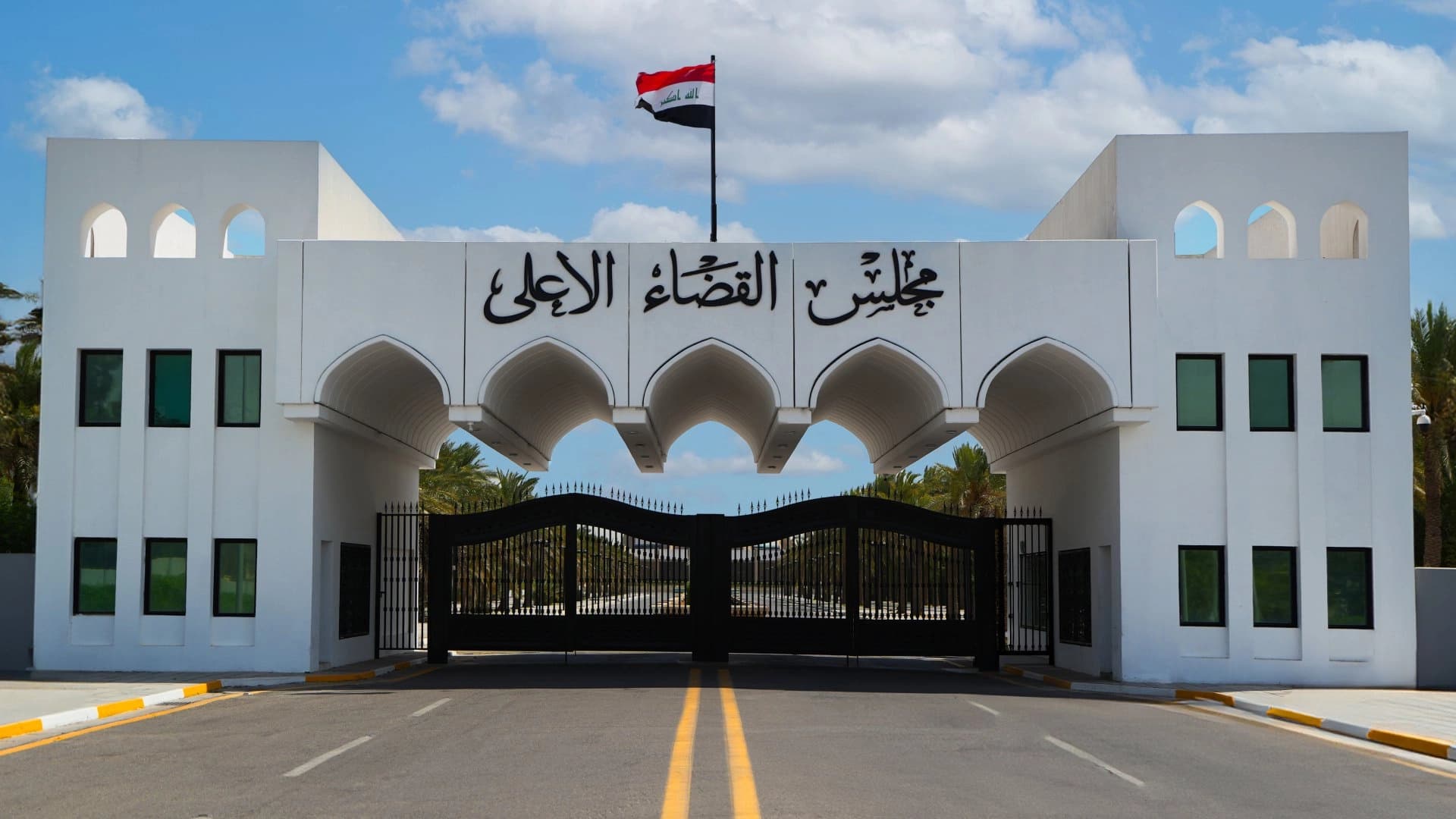

“Both lawsuits were rejected by the Federal Supreme Court on the grounds that the issue is not within the jurisdiction of the court,” Omar Gulpi, one of the plaintiffs and a member of the opposition Kurdistan Justice Group (Komal), told Rudaw on Monday.
His lawsuit was filed with the federal court against the Kurdistan parliament, calling for the annulment of the 2024 regional election results over its failure to convene.
A similar lawsuit was filed by the head of the New Generation Movement’s (NGM) bloc in the Iraqi parliament, Srwa Abdulwahid, and two other members of the party, calling for the dissolution of the Kurdish legislature. The NGM is the strongest opposition party in the Kurdistan Region.
Komal leader Ali Bapir in June criticized the current Kurdish parliament as lacking legitimacy due to alleged electoral fraud. Despite this, he told Rudaw that convening it to form a new government would still serve the public interest.
The Kurdistan Region held delayed parliamentary elections in October 2024, two years after the original date. The Kurdistan Democratic Party (KDP) won 39 out of 100 seats, followed by the Patriotic Union of Kurdistan (PUK) with 23. As no party achieved a majority, a governing coalition is required, as has been customary.
Amid the impasse, lawmakers in the Kurdish parliament - who are seemingly awaiting the outcome of the government formation talks between the KDP and the PUK - have convened only once in December, without electing a speaker or deputies. The session ended with no significant decisions and was adjourned indefinitely.
Hastyar Qadir and Nahro Mohammed contributed to this report.