


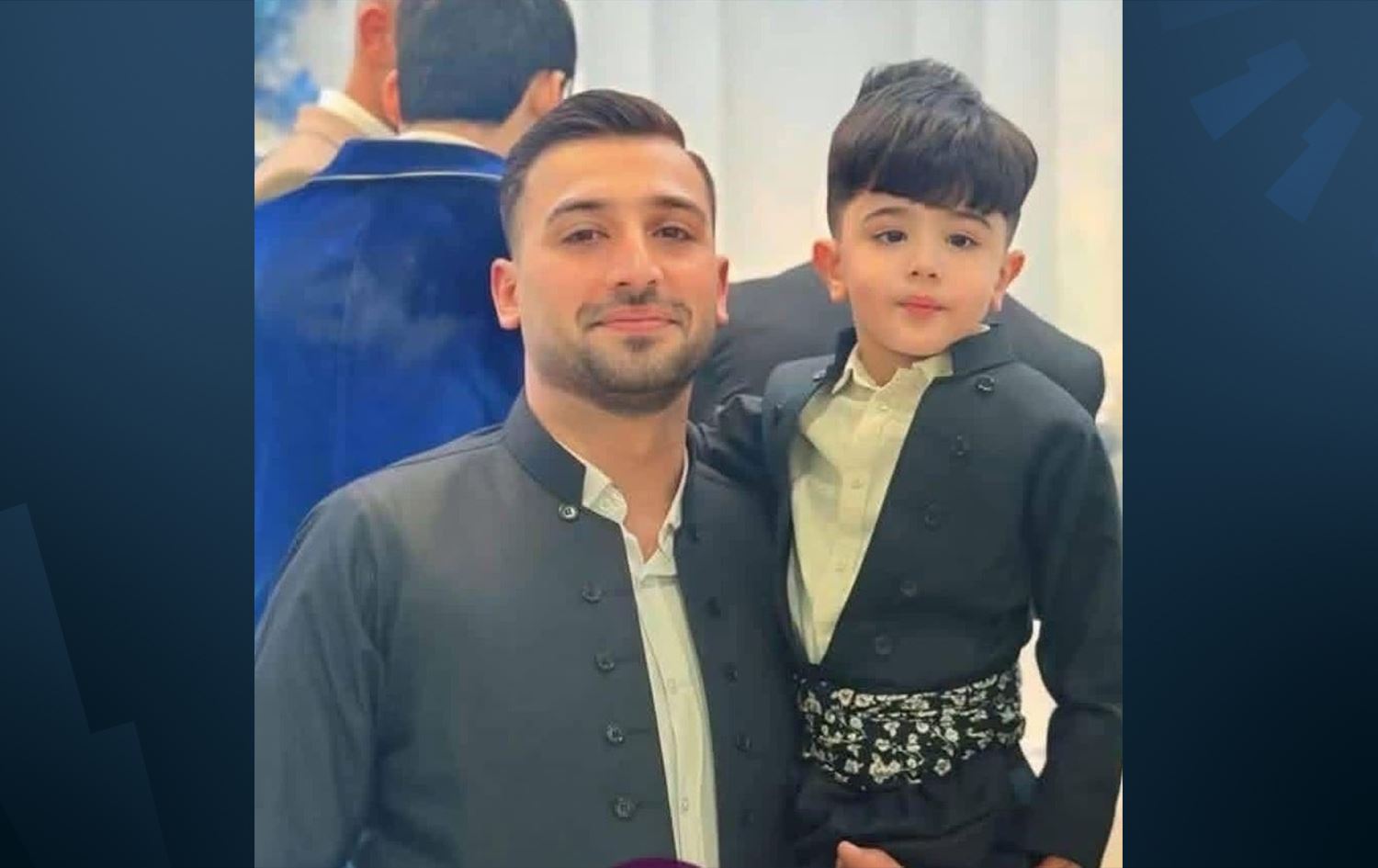
ERBIL, Kurdistan Region - Iraq’s health ministry confirmed on Monday that rabies vaccines and serums are now available across all health institutions. The statement comes amid nationwide outrage over the tragic death of an Iraqi man in his mid-thirties, who died last week, forty days after he was bitten by a rabid dog in Baghdad.
In a statement to the state-run Iraqi News Agency (INA), ministry Spokesperson Saif al-Badr warned that “rabies is a deadly viral disease,” stressing that “public health safety requires any dog bite to be treated as an emergency, warranting immediate referral to the nearest health facility.”
He added that “there is no cure for rabies, either inside or outside Iraq, once symptoms appear,” noting that “the fatality rate is 100 percent if the virus becomes active in the human body,” and emphasizing that “prevention is only possible within the first hours following exposure to a bite.”
Accordingly, “rabies antiserum and vaccines have been made available across all health institutions - particularly in emergency wards and major hospitals in Baghdad and the provinces - in accordance with an approved health protocol for handling such cases,” Badr asserted.
Accordingly, “rabies antiserum and vaccines are now available across all health institutions - particularly in emergency wards and major hospitals in Baghdad and the provinces - in accordance with an approved health protocol for handling such cases,” Badr asserted.
The announcement comes after 36-year-old Iraqi man Hamzah Barani Shamsheer passed away last week in Baghdad’s western Ameriyah neighborhood, weeks after being bitten by a rabid dog in early November.
Shamsheer’s family told local media that he was initially taken to al-Yarmouk Hospital in the Iraqi capital’s western Karkh district, where he received a vaccine immediately after the bite. However, he did not complete the full course of doses, receiving part of his treatment at another facility.
After 39 days, he began showing unusual symptoms, including loss of appetite, anxiety, and persistent fatigue. These symptoms soon progressed to muscle spasms and other neurological issues, prompting another hospitalization, where doctors confirmed he had contracted rabies. His condition deteriorated rapidly, and he died due to complications from the disease.
Badr emphasized on Monday the importance of completing the full course of rabies treatment. “The first dose of the rabies vaccine should be administered within minutes or hours of exposure, followed by a specific schedule: after three days, one week, two weeks, and finally more than 20 days, with the patient’s condition carefully monitored by health professionals,” he said.
Shamsheer’s death has sparked a wave of outrage on Iraqi social media, with users criticizing Baghdad authorities for shortcomings in providing necessary medical care and for failing to address the country’s stray dog problem.
Badr noted that addressing the stray dog issue is “the responsibility of the competent civil authorities, such as the agriculture ministry, local governments, municipalities, and security forces,” not the health ministry.
He also urged the relevant authorities to "intensify their efforts to address the phenomenon of stray dogs," while noting that "officially recorded cases of rabies in Iraq are limited."


Comments
Rudaw moderates all comments submitted on our website. We welcome comments which are relevant to the article and encourage further discussion about the issues that matter to you. We also welcome constructive criticism about Rudaw.
To be approved for publication, however, your comments must meet our community guidelines.
We will not tolerate the following: profanity, threats, personal attacks, vulgarity, abuse (such as sexism, racism, homophobia or xenophobia), or commercial or personal promotion.
Comments that do not meet our guidelines will be rejected. Comments are not edited – they are either approved or rejected.
Post a comment