
ERBIL, Kurdistan Region - A court in Baghdad on Thursday sentenced 14 people to death for their alleged participation in the Islamic State’s (ISIS) 2014 Camp Speicher massacre in Salahaddin province.
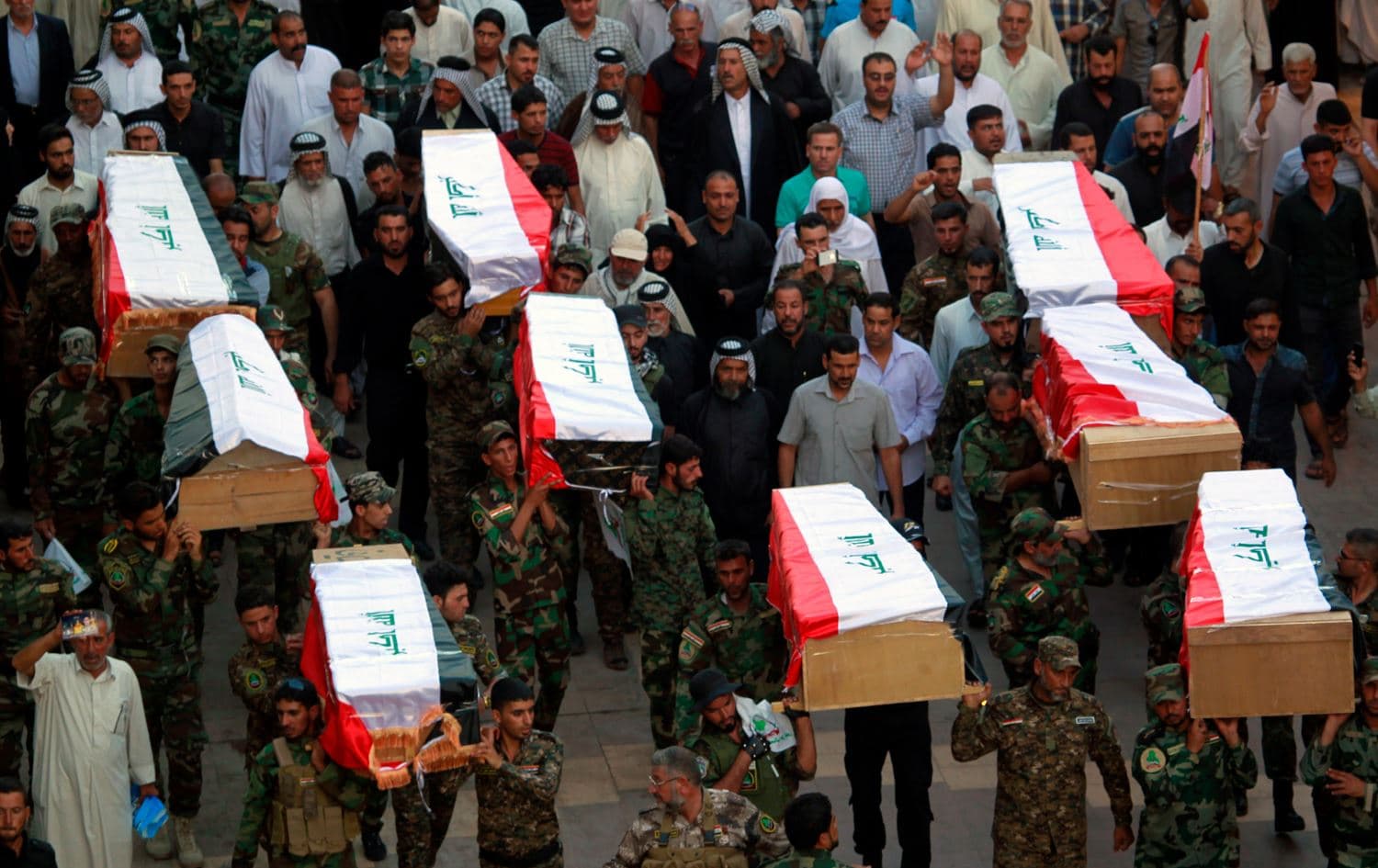
On June 12, 2014, around 1,700 Shiite cadets undergoing training at Camp Speicher in Salahaddin’s Tikrit were executed by ISIS militants, who had initially promised them safe passage.
A statement from Iraq’s Supreme Judicial Council said that the 14 suspects were sentenced in accordance with Article 4 of the 2005 Anti-terrorism law No. 13, which stipulates that anyone who participates in committing a “terrorist act” -according to the definitions laid out in the law- shall be sentenced to death.
Dozens accused of taking part in the massacre have already been executed. 31 men were executed for their alleged involvement in the massacre on January 2017.
Following the 2017 mass execution, Amnesty International claimed that the men had confessed “under serious allegations of torture,” and that the verdicts against them were issued after “deeply flawed and speedy trials.”
“The death penalty – the ultimate cruel, inhuman and degrading punishment – is being used to create an illusion of security but it will only perpetuate the cycle of violence that is ravaging Iraq,” said Amnesty International press office, Head of the Death Penalty team at Amnesty International.
The Camp Speicher Massacre is one of ISIS’ most brutal crimes in Iraq. The United Nations Investigative Team to Promote Accountability for Crimes Committed by Daesh/ISIL (UNITAD) said on June 2021 that there was “clear and convincing evidence” that the massacre “constituted a number of war crimes under international law.”
.webp&w=3840&q=75)