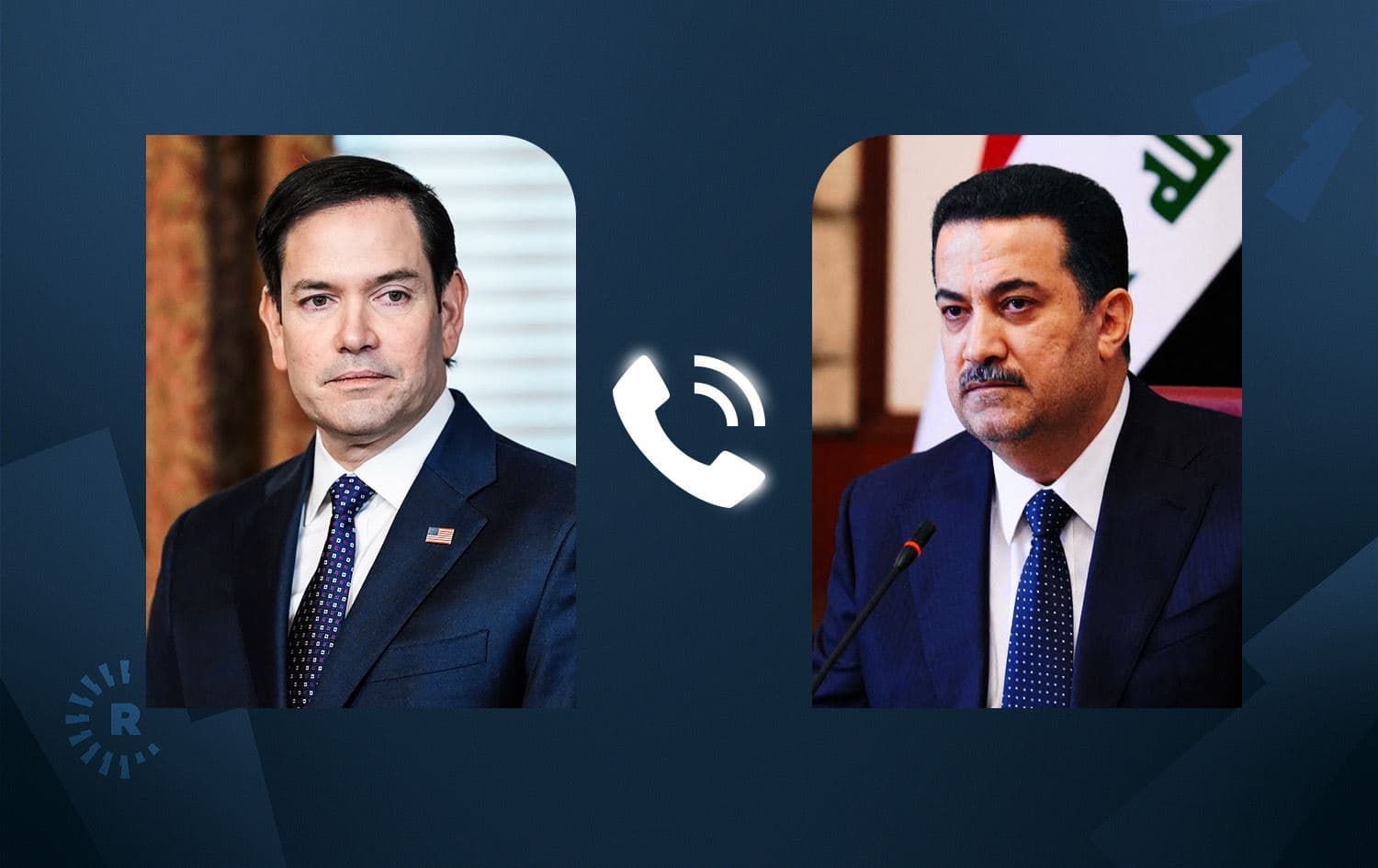
ERBIL, Kurdistan Region - US Secretary of State Marco Rubio held a phone call on Saturday with Iraqi Prime Minister Mohammed Shia' al-Sudani, focusing on the handling of Islamic State (ISIS) detainees, regional stability, and Iraq’s political future, according to the US State Department.
In a readout released by the Office of the Spokesperson, Principal Deputy Spokesperson Tommy Pigott said Rubio “commended the Government of Iraq’s initiative and leadership in expediting the transfer and detention of ISIS terrorists to secure facilities in Iraq, following recent instability in northeast Syria.”
The transfer of ISIS prisoners from Syria to Iraq follows recent attacks by the Syrian Arab Army and its affiliated groups on Kurdish-held areas in northeast Syria (Rojava), previously controlled by the Kurdish-led Syrian Democratic Forces (SDF) for nearly a decade, after which SDF forces withdrew from the areas.
The SDF, the de facto military force in Rojava and a key US-led Coalition ally, played a crucial role in defeating ISIS territorially in 2019. Since then, the Kurdish-led forces maintained control over the areas they liberated, much of which has now been recaptured by Damascus and its allied forces.
Amid the offensive, the SDF announced it had lost control over several facilities holding ISIS detainees, including the al-Shaddadi prison in southern Hasaka, with reports indicating that between 120 and 1,500 detainees may have escaped during the violence.
The US Central Command (CENTCOM) announced on Wednesday the transfer of 150 ISIS detainees from a detention facility in Rojava’s eastern Hasaka province to a secure location in Iraq, noting that up to 7,000 ISIS prisoners could eventually be moved.
On Saturday, Iraqi Foreign Minister Fuad Hussein said that Iraq is prepared to receive the ISIS prisoners, but emphasized that the financial and security responsibilities of this process should not fall solely on Iraq.
“We have decided that if there is a case of handing over these prisoners to Iraq, we are ready to receive them and transfer them to Iraqi prisons,” Hussein said in remarks to reporters, including Rudaw, in Baghdad.
The two leaders also discussed diplomatic efforts aimed at resolving the issue of foreign ISIS fighters and their families currently in Iraq.
“The Secretary and Prime Minister discussed ongoing diplomatic efforts to ensure countries rapidly repatriate their citizens in Iraq, bringing them to justice,” according to the statement.
The call further addressed Iraq’s internal political process, including talks surrounding the formation of a government. The readout said both sides emphasized “their shared commitment to ensuring that Iraq can fully realize its potential as a force for stability, prosperity, and security in the Middle East.”
Rubio also raised concerns about foreign influence in Iraqi politics, stressing that “a government controlled by Iran cannot successfully put Iraq’s own interests first, keep Iraq out of regional conflicts, or advance the mutually beneficial partnership between the United States and Iraq.”
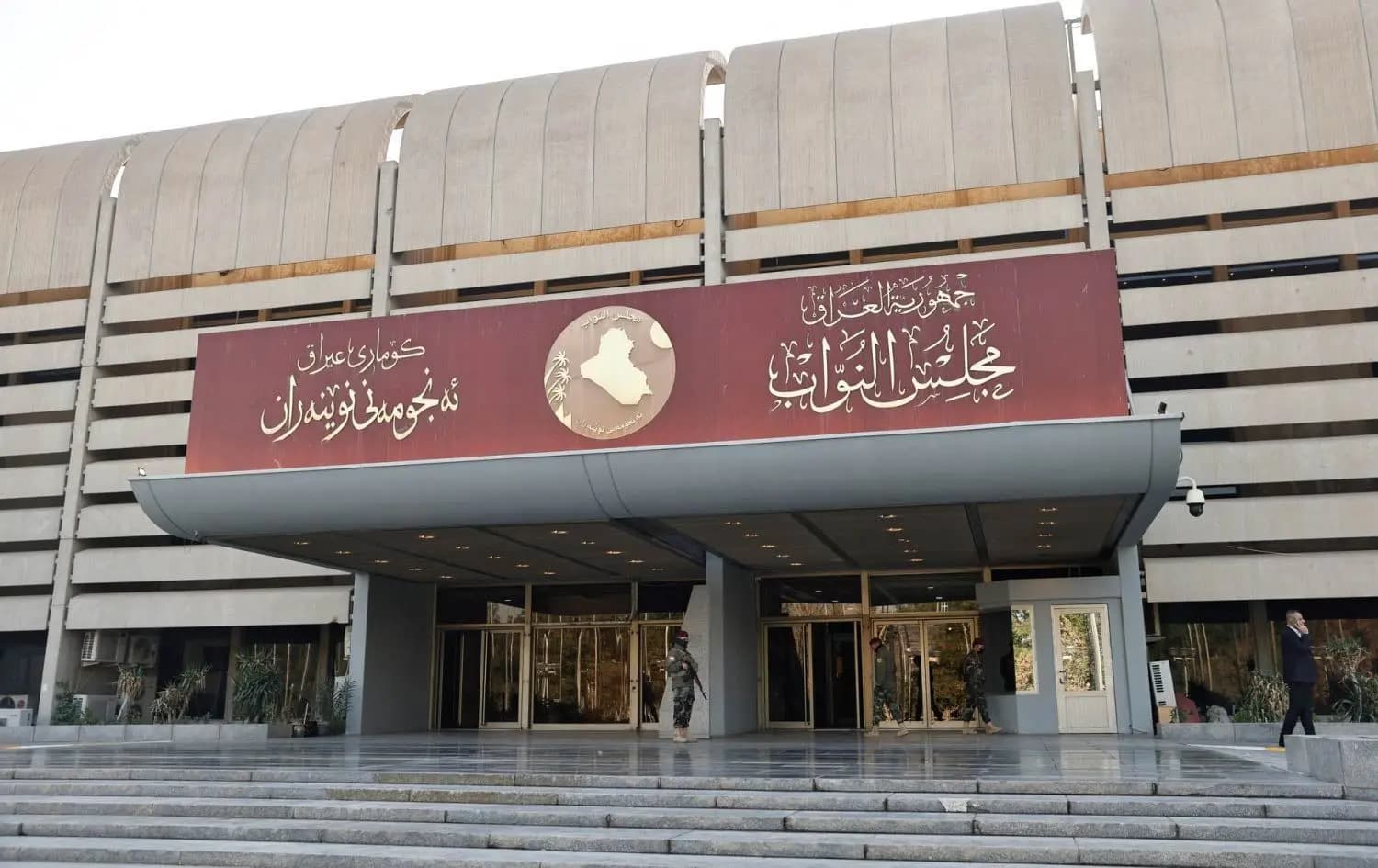
The call came a day after Iraq’s ruling Shiite Coordination Framework announced former Prime Minister Nouri al-Maliki as its candidate for prime minister, and less than a month after the Iraqi parliament elected its speaker and two deputies - steps that pave the way for the formation of a new government following the November elections.
The Iraqi parliament is set to convene on Tuesday to elect the president, who under the constitution will formally designate the prime ministerial nominee to form the next government.
As Baghdad moves to form a new administration, Washington has intensified pressure on Iraqi leaders to reduce Tehran’s influence and limit the role of Iran-backed armed groups, calling for their exclusion from the next government.