


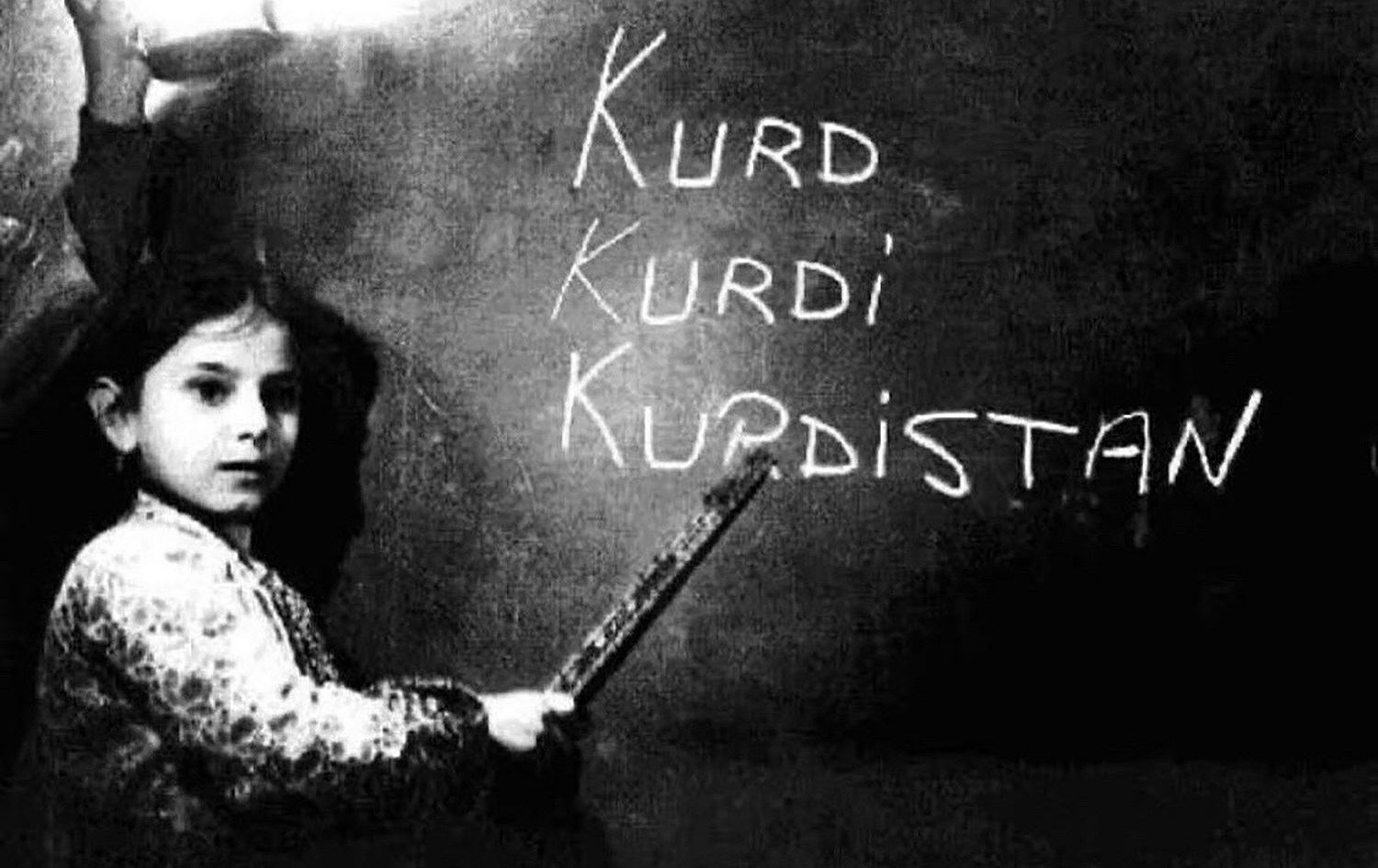
ERBIL, Kurdistan Region - Kurdish lawmakers in Baghdad strongly criticized a decision by the federal government to ban the use of the Kurdish language in educational settings in disputed areas.
Earlier this month, Iraq's Ministry of Higher Education and Scientific Research sent a letter to universities and institutes in Kirkuk, Nineveh, and Diyala provinces, stating that all teaching and examinations must be in Arabic or English according to specializations, not Kurdish.
The three provinces are considered disputed areas between Erbil and Baghdad and fall under Article 140 of the constitution, which details special provisions for these territories.
Nahla Afandi, a member of the Higher Education Committee in the Iraqi parliament, told Rudaw that the decision violates the constitution, which states that Arabic and Kurdish are both official languages and Iraqis have the right to educate their children in their mother tongue, such as Turkmen, Assyrian or Armenian.
"We reject the decision. It must be reversed, otherwise we will file a complaint with Iraq's Federal Supreme Court," Afandi said.
Abdullah Mirwais, a member of Kirkuk Provincial Council from the Patriotic Union of Kurdistan (PUK) faction, told Rudaw that they also have objections.
"We reject the decision. It is illegal and unconstitutional. According to the constitution, Arabic and Kurdish are the two official languages in Iraq," he said.
He added that Kurds in Kirkuk will bear the brunt of the decision and vowed to do whatever they can to oppose the decision.
Sherwan Dubardani, a lawmaker from the Kurdistan Democratic Party (KDP) in Baghdad, echoed the same concerns.
"We reject the decision. It goes against Iraq's constitution which states Arabic and Kurdish are the two official languages. Kurdish students have the right to answer questions in their mother tongue,” he said.
"I will file a complaint with Iraq's Federal Supreme Court,” he added.
The Ministry of Higher Education and Scientific Research of Iraq is under the Iran-aligned Asaib Ahl al-Haq movement, led by Qais al-Khazali. The minister is Naim al-Aboudi, one of the party's prominent leaders.
Nahro Mohammed contributed to this article.


Comments
Rudaw moderates all comments submitted on our website. We welcome comments which are relevant to the article and encourage further discussion about the issues that matter to you. We also welcome constructive criticism about Rudaw.
To be approved for publication, however, your comments must meet our community guidelines.
We will not tolerate the following: profanity, threats, personal attacks, vulgarity, abuse (such as sexism, racism, homophobia or xenophobia), or commercial or personal promotion.
Comments that do not meet our guidelines will be rejected. Comments are not edited – they are either approved or rejected.
Post a comment