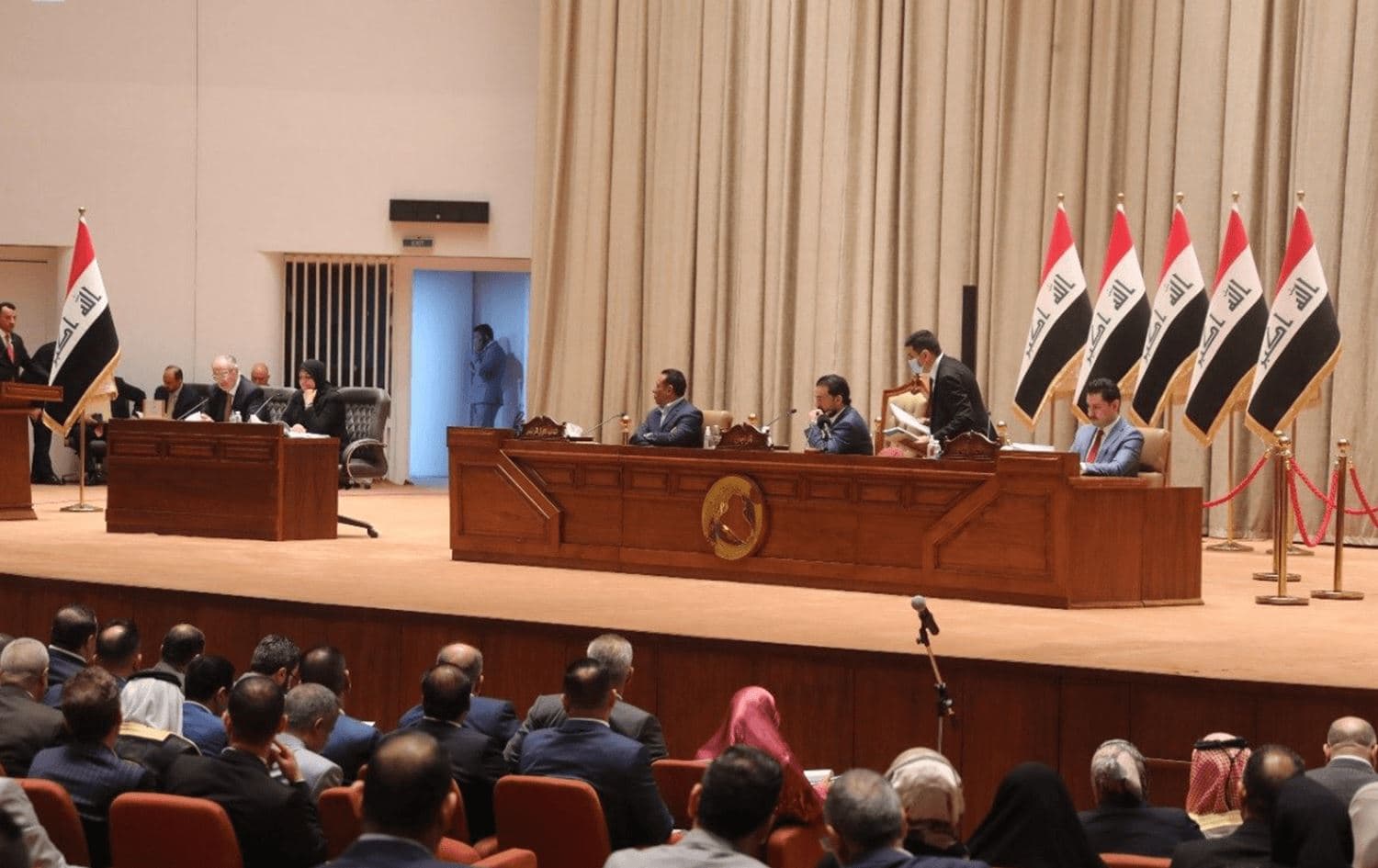

ERBIL, Kurdistan Region - Iraq’s parliament convened on Monday to discuss the increased exchange rate of the Iraqi dinar with the country’s finance minister.
The Iraqi parliament held a session to discuss the high exchange rate of the Iraqi dinar, which is set at 1,450 dinars per US dollar.
“The parliament has begun discussing the exchange rate and its repercussions on the market through high prices which are harming the poor,” reported state media.
The Sadrist movement on Monday said the Iraqi finance minister Ali Alllawi has been summoned to attend the parliamentary session “to discuss the financial and economic crises that Iraq is going through.”
On February 17, Shiite cleric Muqtada al-Sadr and head of the largest parliamentary bloc, tweeted a list of six suggestions regarding the dinar-dollar exchange, with the fourth point reading “summon the finance minister to the parliament immediately.”
In December of 2020, Iraq’s central bank announced devaluing the country’s currency in an effort to combat a national liquidity crisis and bring in much-needed cash to the government’s coffers.
The devaluation of the dinar struck the public hard as government employees get paid in dinar, and they would be able to afford less with their salaries given that many imported goods are paid for in dollars.
The devaluation of the Iraqi dinar is a step taken towards reform and creating a “financial balance” and will revive the economy, Allawi said at the time.
In mid-August of last year, a member of the parliament’s finance committee said the dinar-dollar exchange rate will be fixed for the next five years.