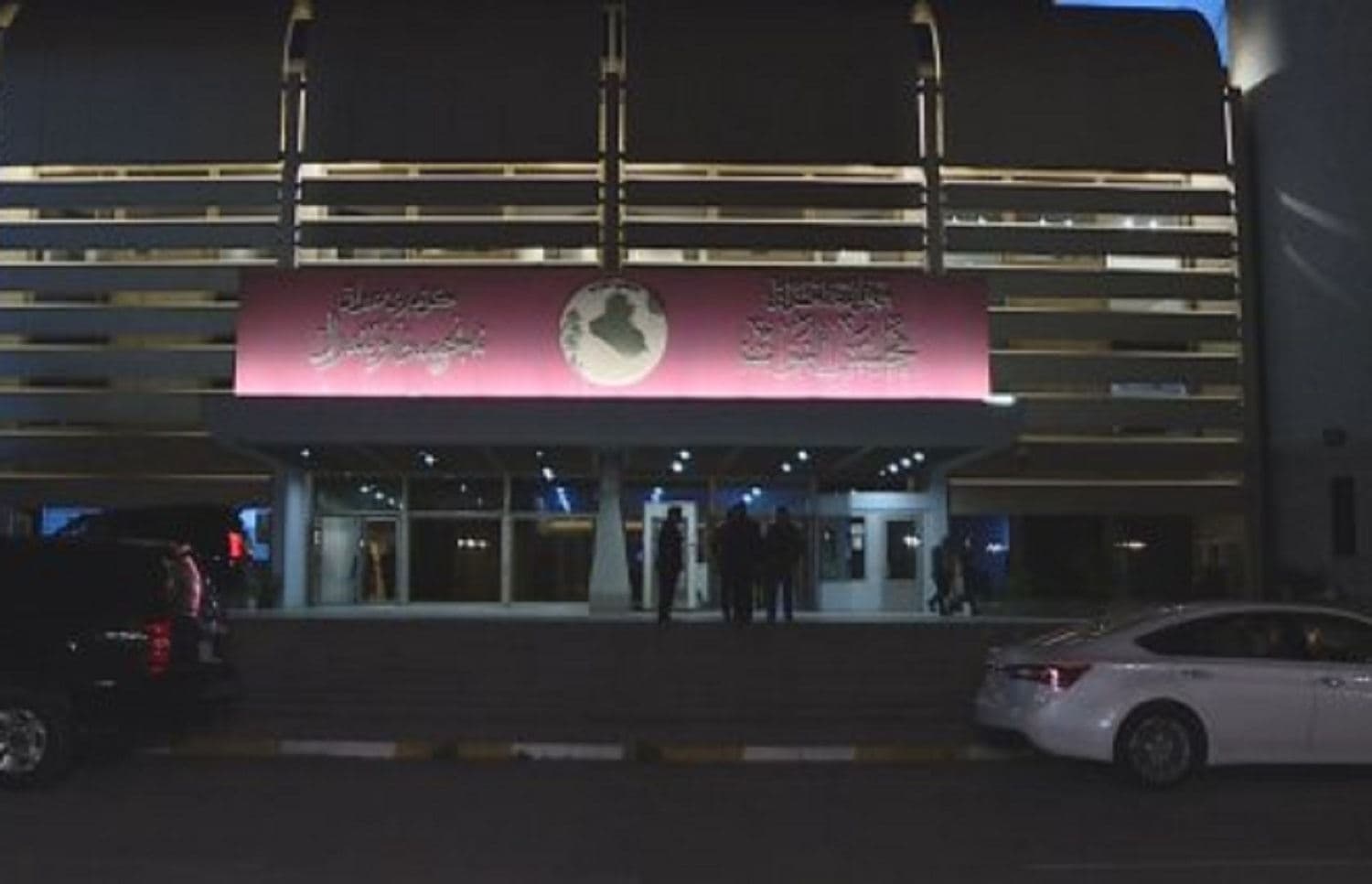

ERBIL, Kurdistan Region — Iraqi parliament’s finance committee have reportedly agreed on the Kurdistan Region's share of federal funds in the country’s contentious and long-delayed budget bill, according to a member of parliament. The legislative body has postponed voting on the bill once again until later in the night.
The new amendment to Article 11 would require the Kurdistan Regional Government (KRG) to hand over 250,000 barrels of oil a day or their value to Baghdad, in addition to 50% of non-oil revenues, such as custom fees and taxes, according to Ahmed al-Saffar, a member of parliament’s finance committee.
Shiite parties had previously amended the article to require all of the Kurdistan Region’s non-oil revenues.
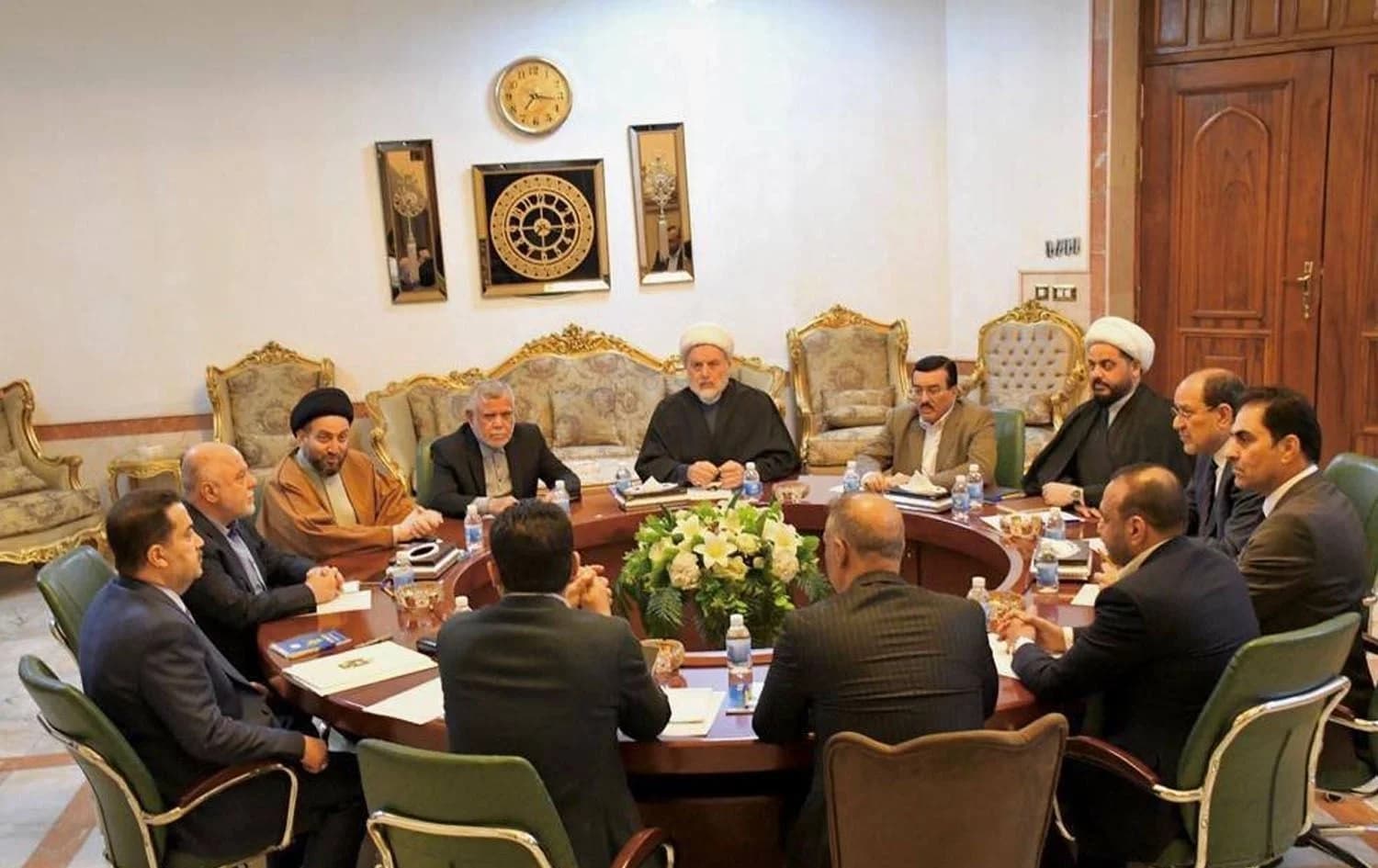
Parliamentary blocs held intensive meetings ahead of the parliament session now supposed to be held tonight, which had already been postponed several times due to disagreements on the Kurdistan Region’s share of the budget.
Iraqi lawmakers have criticized the Kurdistan Region's independent oil sales, with many wanting Erbil to hand over all of its oil to the State Organization for Marketing Oil (SOMO) in exchange for federal funds.
Both governments have also seen revenues drop due to low oil prices last year. The KRG is unable to pay its civil servants on time and in full, while the Iraqi government borrowed over $25 billion from the country's central bank to pay salaries for the last three months of 2020. Baghdad also devalued the dinar in December.
Saffar told state media that there are political blocs pushing to change the devalued dollar-dinar exchange rate.
Jasim Al-Bakhati, the deputy of the Iraqion Alliance, said that some forces are calling for the addition of an article about foreign loans in the budget.
"The Region's share in the budget is no longer the problem, as there are big blocs trying to add an article concerning borrowing an amount of one billion dollars for the benefit of the Ministry of Electricity for development purposes," Bakhati said.
Iraq had an economically woeful 2020, thanks in part to a global crash in the price of oil and the coronavirus pandemic.