
ERBIL, Kurdistan Region - The Kurdish New Year, known as Newroz, has not been added to Syria's post-Bashar al-Assad annual calendar, according to an announcement by interim President Ahmed al-Sharaa.
However, March 21 - the day Newroz celebrations begin - has been designated as a public holiday for Mother's Day instead.
The announcement, dated September 29 and signed by Sharaa, was published by the Syrian presidency on Sunday, the same day elections were held in Damascus-held areas to select members of the country's first post-Assad parliament. The process was denounced by many, including Kurdish authorities in northeastern Syria (Rojava), as being undemocratic, since the new assembly is set to consolidate the power of Sharaa.
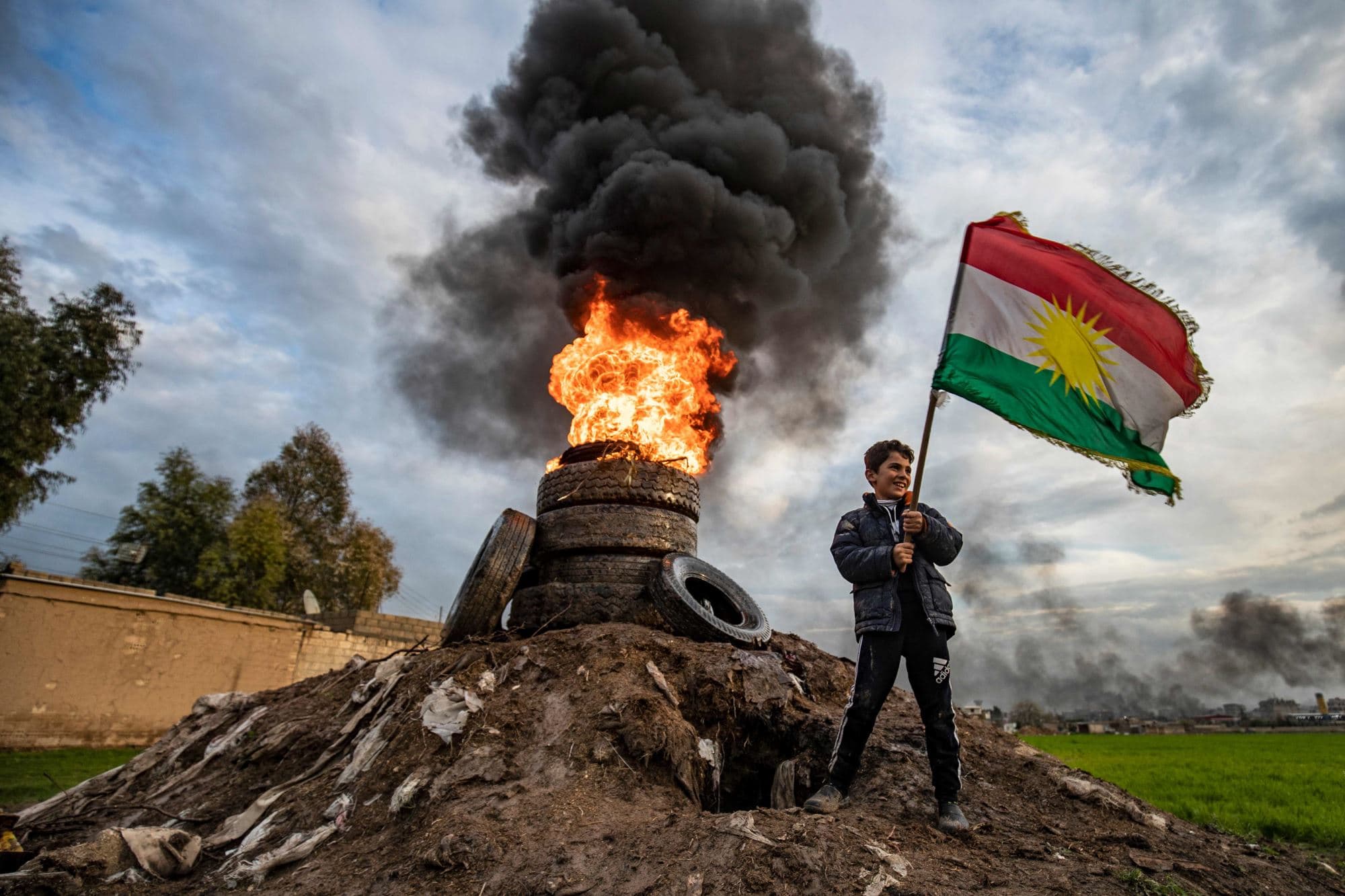
Newroz, which marks the first day of spring, is celebrated by millions of Kurds in the Kurdistan Region and Kurdish regions in Turkey, Iran, and Syria. The Kurdish diaspora in the West also celebrate Newroz.
On Newroz eve, bonfires are traditionally lit, often on mountain or hill tops. In the days that follow, Kurds often go on picnics and light bonfires with their families and loved ones to mark the occasion which symbolizes freedom and resistance against tyranny.
Sharaa's announcement comes a week after Faysal Yousef, spokesperson for the Kurdish National Council (KNC/ENKS), a Kurdish opposition umbrella group, urged Damasus that the transitional administration must "recognize Newroz".
Damascus "must initiate dialogue with the true representatives of the Kurdish people, abolish discriminatory policies against them, and take practical steps as a gesture of goodwill, such as recognizing Newoz as an official holiday," Yousef said.
Unofficial numbers estimate Kurds to be between 2-3.5 million, representing roughly about 10 percent of Syria's population.
Under the new leadership, Syria will celebrate 13 holidays, most notably Eid al-Fitr, Eid al-Adha, and the fall of the Assad regime in December.
The new authority in Damascus, which came to power after toppling Assad in December, has been accused of sidelining minorities in its March adopted constitutional declaration and key decision-making bodies. Sharaa’s government, however, is cautious when dealing with minorities, as respecting human rights is one of the conditions imposed by the international community for lifting Assad-era sanctions.
The latest move from Damascus against Kurds in the country is believed to worsen already-strained ties, amid rising tensions between Syria’s interim authorities and the Kurdish-led Syrian Democratic Forces (SDF).
The escalations are despite a landmark agreement signed on March 10 between the interim government in Damascus and the SDF. The accord outlines the integration of “all civil and military institutions” in Rojava under Syrian state administration, and stipulates a nationwide ceasefire.
However, the US-backed agreement has only been partially implemented.
Disagreements persist - most notably over the interpretation of “integration.” While the SDF has proposed joining the Syrian army as a unified force and retaining its current structure and specialization, Damascus insists on individually integrating SDF fighters into its ranks.