


Syria

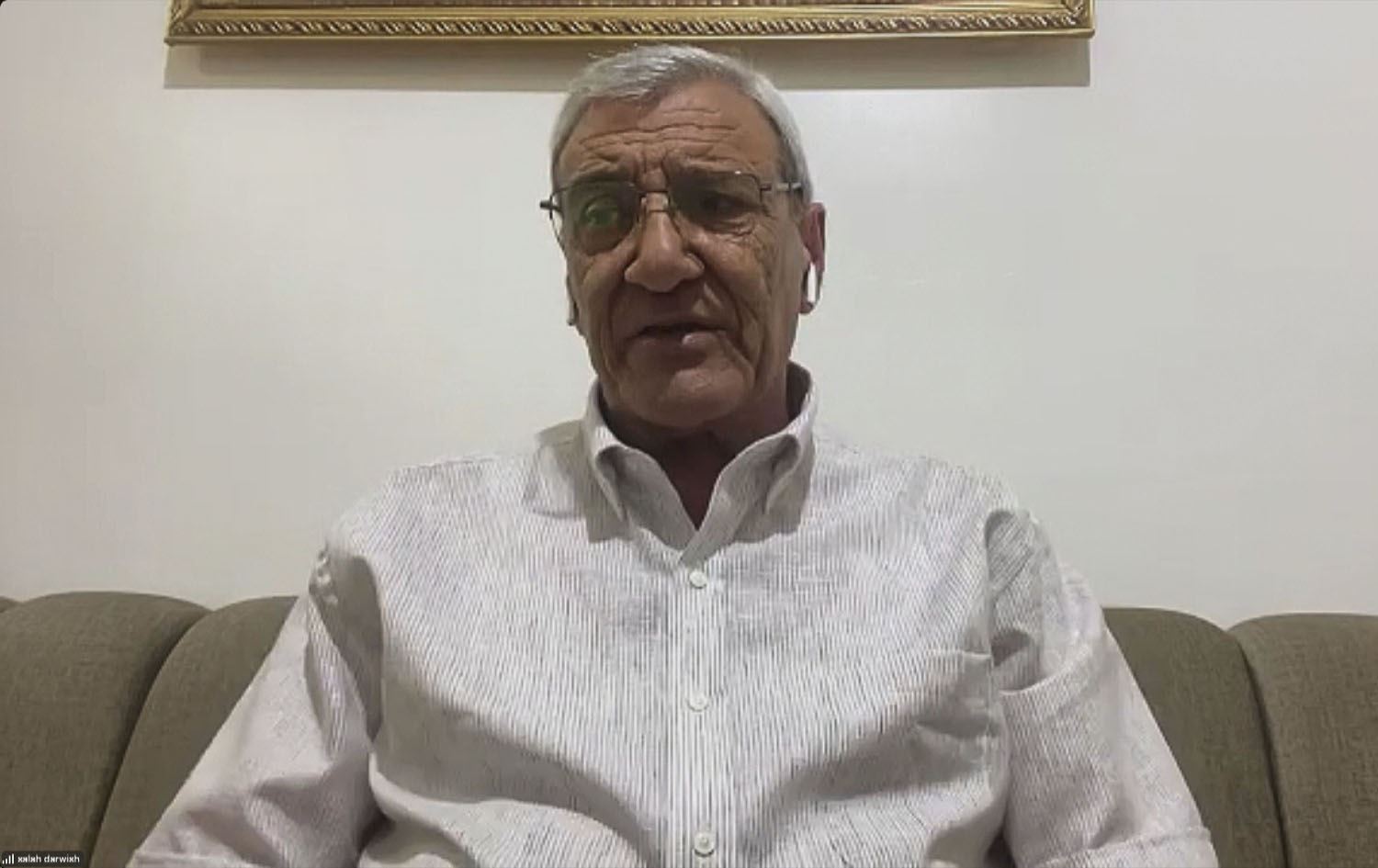
Salah Darwish, secretary of the Kurdish Progressive Democratic Party in Syria and member of the Kurdish delegation speaks to Rudaw on June 6, 2025. Photo: Screengrab/Rudaw
ERBIL, Kurdistan Region - A Kurdish delegation representing ruling and opposition parties in northeast Syria (Rojava) hopes to schedule a meeting with Damascus after the Muslim Eid al-Adha holiday that ends on Tuesday.
“After Eid al-Adha, we will send our request to them and they will respond to us. When they give us a positive response that they are ready, we will immediately go to Damascus,” Salah Darwish, secretary of the Kurdish Progressive Democratic Party in Syria and member of the delegation, told Rudaw’s Nalin Hassan on Friday.
He said there is no established channel of communication between them and Damascus so their request will be sent directly to the Syrian presidency.
The delegation was formed following a historic conference in Qamishli in April that brought feuding Kurdish political parties together to create a united front in talks about Rojava’s future in the new Syria. It includes representatives from the ruling Democratic Union Party (PYD) and the opposition Kurdish National Council (ENKS, KNC).
Damascus condemned the pan-Kurdish conference, viewing it as a separatist move. However, Syrian Democratic Forces (SDF) chief Mazloum Abdi said that the aim of the conference was to strengthen Syria, not divide it.
Darwish said that one of their key demands is a decentralized Syria that includes and protects Kurds and their rights. He added that after meeting government representatives in Damascus, they plan to establish specialized committees to tackle legal, political, and economic files, but will not discuss military matters, leaving that topic to the SDF.
The Kurdish delegation also plans to coordinate with a Rojava delegation that was in Damascus this past week to discuss implementing a March 10 agreement between Abdi and interim Syrian President Ahmed al-Sharaa, according to Darwish.
Sharaa pledged to form an “inclusive transitional government that reflects Syria’s diversity,” but has faced domestic and international criticism for allegedly marginalizing minority communities.


Comments
Rudaw moderates all comments submitted on our website. We welcome comments which are relevant to the article and encourage further discussion about the issues that matter to you. We also welcome constructive criticism about Rudaw.
To be approved for publication, however, your comments must meet our community guidelines.
We will not tolerate the following: profanity, threats, personal attacks, vulgarity, abuse (such as sexism, racism, homophobia or xenophobia), or commercial or personal promotion.
Comments that do not meet our guidelines will be rejected. Comments are not edited – they are either approved or rejected.
Post a comment