ERBIL, Kurdistan Region - The Syriac language is being taught as an elective in Qamishli, in the Kurdish-majority Hasaka province in northeast Syria (Rojava). Following a January decree by Syrian interim President Ahmed al-Sharaa recognizing Kurdish as a national language, other ethnic and religious groups have also been encouraged to seek broader recognition of their own languages.
Four elective Syriac language classes are held each week in four schools across Qamishli. Syriac is a historic dialect of Aramaic that became the primary language of Eastern Christianity. It is spoken by an estimated 500,000 to one million Christians across the Middle East, including around 100,000 in Syria.
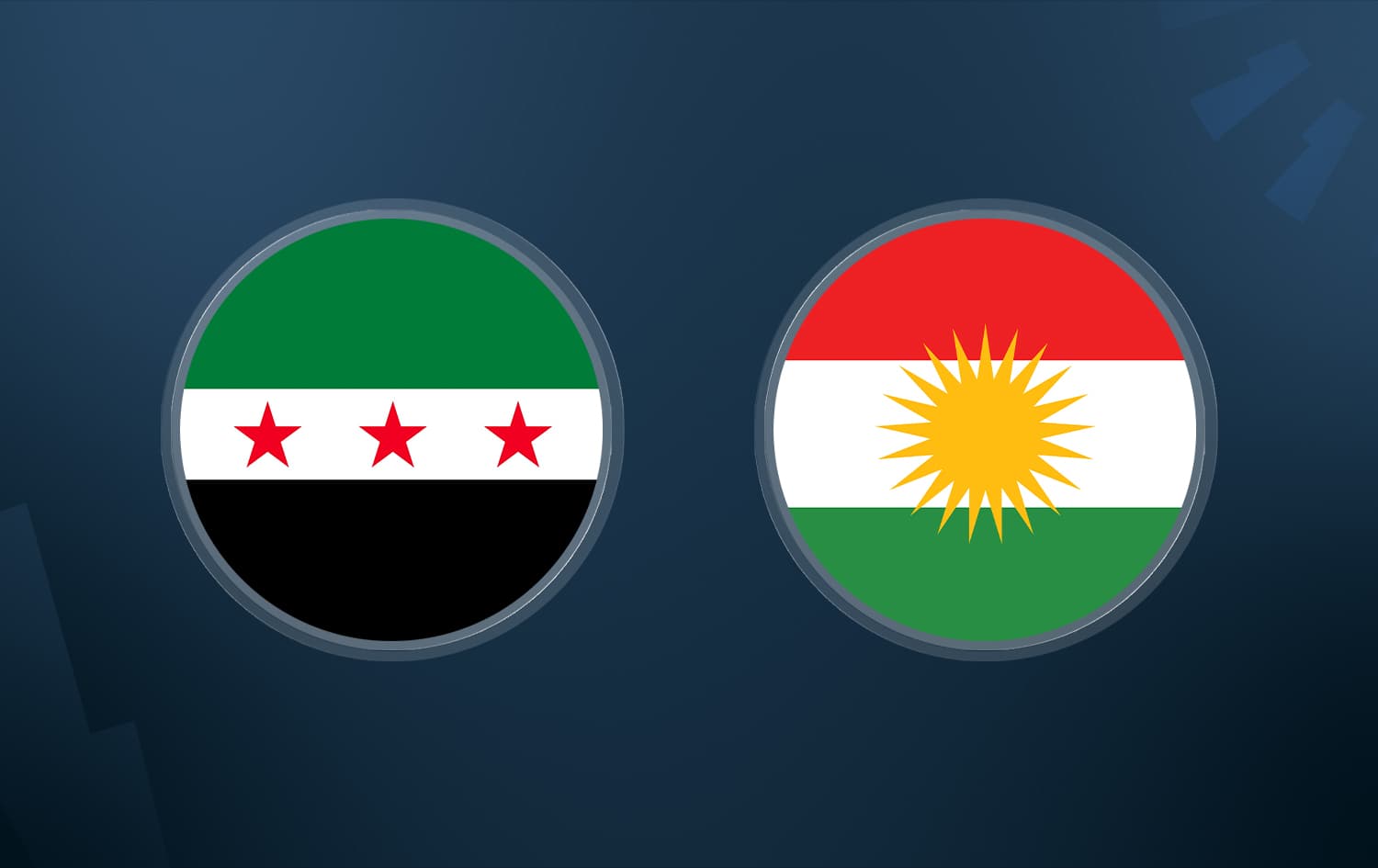
Syrian interim President Ahmed al-Sharaa in mid-January signed Decree 13, recognizing Kurdish as a “national language” and allowing it to be taught in regions with significant Kurdish populations, particularly Rojava.
A Syriac teacher in Qamishli, Sara Barsoum, told Rudaw, “We are very happy that our Kurdish brothers have obtained Decree 13, which recognizes Kurdish as a national language.”
“As the indigenous Assyrian people of Syria, we hope to receive a similar decree that secures our linguistic rights and enshrines them in the constitution, so that we too can feel a true sense of citizenship in the new Syria,” she added.
Despite being widely seen as a landmark shift in Syrian policy, Kurdish politicians have criticized Decree 13 for recognizing Kurdish as a national language while maintaining Arabic as the sole “official language” in government documents.
Moreover, since the recognition came in the form of a presidential decree, it is also viewed as temporary and potentially reversible, prompting calls for these rights to be enshrined in the constitution.
Viviyan Fetah contributed to this report from Qamishli.