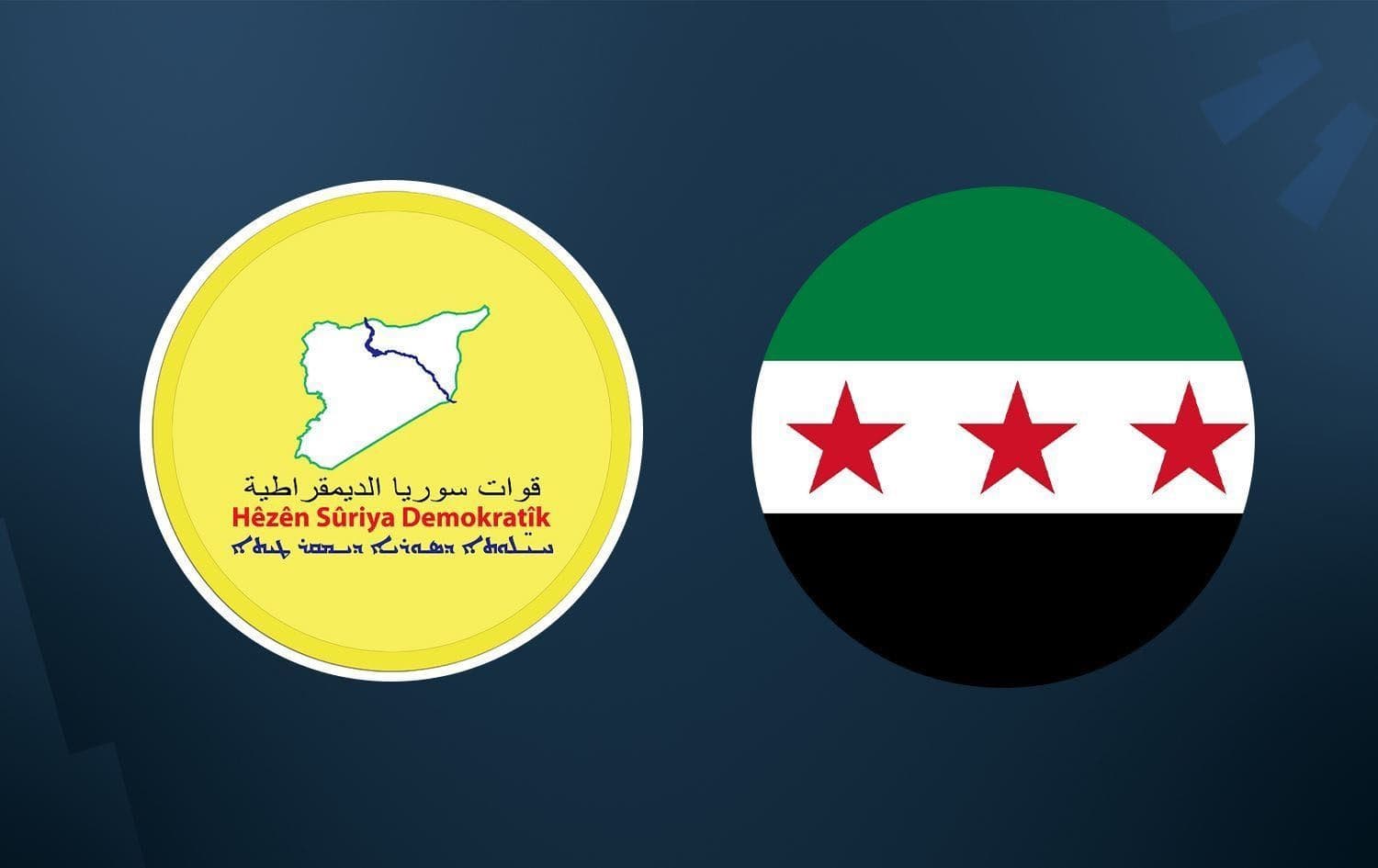

ERBIL, Kurdistan Region - The Kurdish-led Syrian Democratic Forces (SDF) announced on Monday that they had received a delegation from the new Syrian leadership in the north-central Raqqa province and handed over a number of detainees affiliated with the Damascus government.
In a statement, the SDF said, “A military delegation from our forces … received a delegation from the Damascus government in the city of Tabqa,” located southeast of Raqqa and under the control of the Kurdish-led administration in northeast Syria (Rojava).
“As a gesture of goodwill, our forces handed over a number of detainees who are members of the Damascus government forces and were apprehended in different locations over the past period,” the statement added.
Pro-Damascus media reported that the Syrian delegation was from the interior ministry, led by Aleppo Internal Security Chief Colonel Mohammed Abdul Ghani. They further cited local sources as stating the delegation also held meetings with tribal elders in the area.
This development comes amid signs of progress in integration talks between the SDF and the Damascus leadership.
On March 10, SDF chief Mazloum Abdi signed a landmark agreement with Syrian interim President Ahmed al-Sharaa. The deal aims to bring all civil and military institutions in Rojava - including the SDF - under centralized state control and to establish a nationwide ceasefire.
Talks to implement the agreement have continued since March, though disputes have emerged over how integration should be carried out. The SDF had advocated for integrating its forces as a unified bloc, while Damascus has favored absorbing fighters individually and distributing them across regular army units.
However, Rudaw recently learned the SDF will now integrate into the newly restructured Syrian army as three distinct military formations, including a separate brigade for the Women’s Protection Units (YPJ) - a core element of the SDF.
Abu Omar al-Idlibi, a senior commander of the North Democratic Forces - a component of the SDF - said Wednesday the US-backed SDF “will become part of the formations of the new Syrian army” and will be integrated as “three military formations and several independent brigades.”
During Monday’s meeting, the SDF and the Damascus delegation also discussed ongoing tensions in the Kurdish-majority neighborhoods of Sheikh Maqsood and Ashrafieh in northern Aleppo province.
According to the SDF statement, the discussions explored “ways to address the tensions through peaceful means to ensure the security and stability of the residents and prevent any field escalation,” reaffirming their shared commitment to “peaceful solutions, maintaining stability, and protecting civilians.”
Tensions in the two neighborhoods escalated in early October after forces aligned with the Syrian government reportedly advanced into the area.
The Kurdish-led internal security forces (Asayish) reported a subsequent crackdown that injured over a dozen protesters following demonstrations over the closure of all seven entrances to Sheikh Maqsood and Ashrafieh.
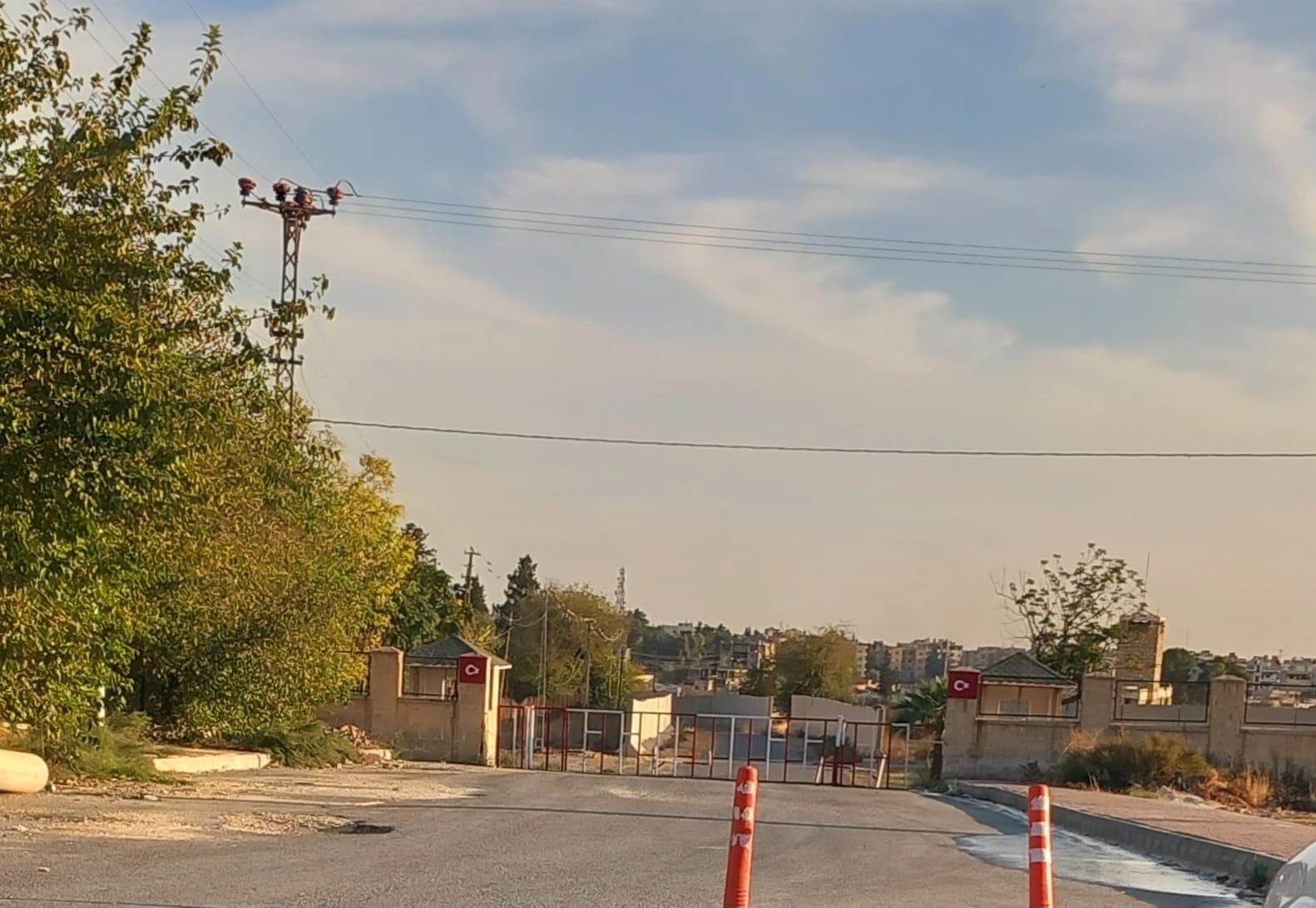
Rudaw recently learned that the siege on the Kurdish neighborhoods remains in place, with ongoing humanitarian and security restrictions. Local sources confirmed last week that while some access points have reopened, the situation remains tense.
Sulaiman Hasso, a currency exchange worker in Sheikh Maqsood, said that “most of the entrances to the Kurdish-majority quarters remain closed,” noting only two open crossings connecting the neighborhoods with the rest of Aleppo.
“At each crossing, there is a joint checkpoint manned by the Asayish and the government’s General Security Forces. However, just a few meters beyond those, there are checkpoints controlled by the al-Amshat and al-Hamzat factions,” he reported.
The Suleiman Shah Division - Amshat - and the Hamza Division - Hamzat - are Turkey-backed armed factions that have resisted efforts to integrate into the new military structure following the ouster of longtime Syrian dictator Bashar al-Assad. Both groups have been sanctioned by the United States and the European Union, and have been implicated in war crimes and human rights abuses documented by Human Rights Watch (HRW) and the UN Commission of Inquiry on Syria.