
ERBIL, Kurdistan Region - The Kurdish-led Syrian Democratic Forces (SDF) announced on Saturday that it had dismissed one of its fighters and referred him to a military court after he photographed himself alongside armed individuals killed during recent clashes south of Kobane, stressing that the act was “individual and unacceptable.”
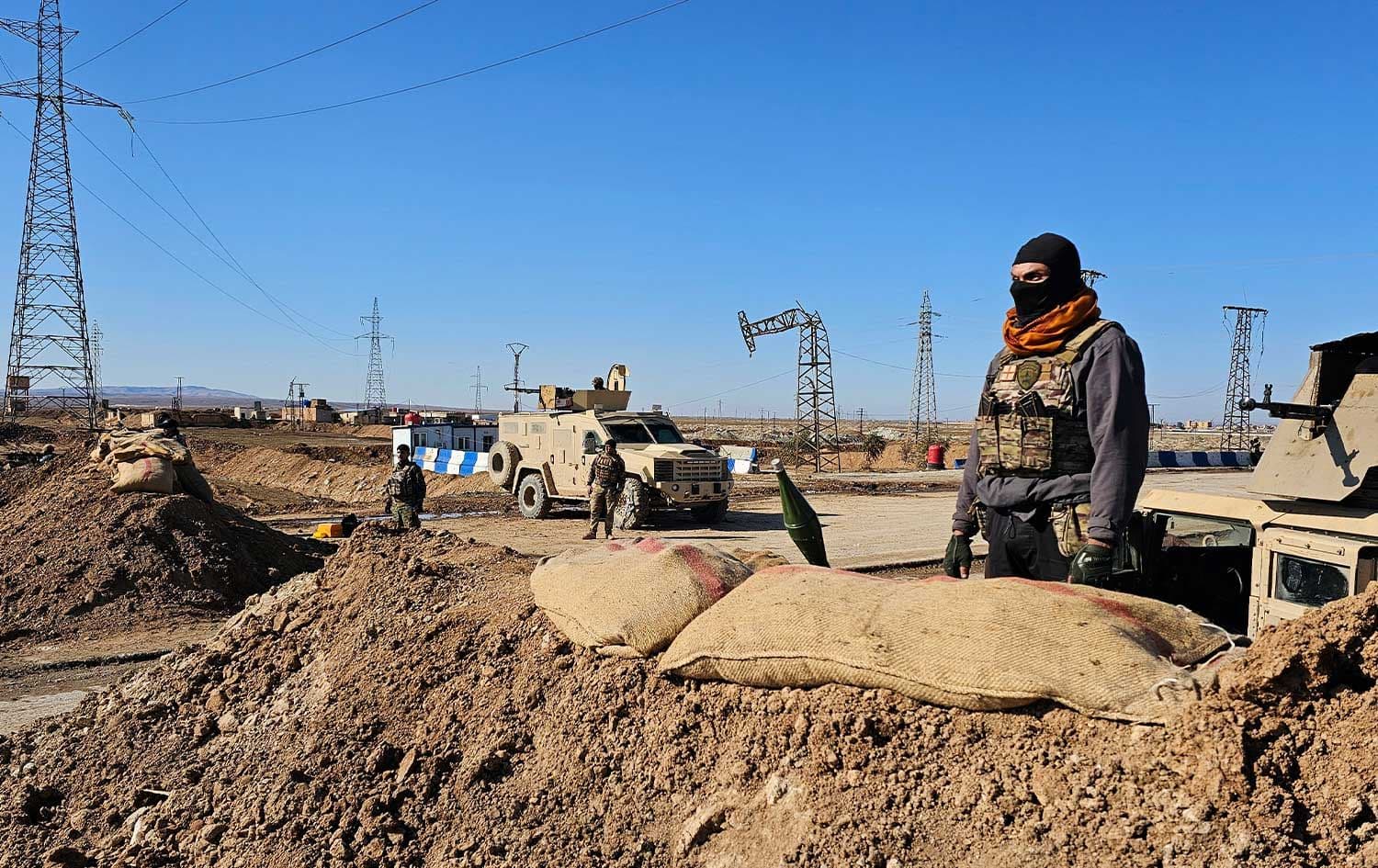
In an official clarification on Saturday, the SDF said its leadership was following reports about “one of our fighters photographing himself alongside armed individuals who were killed during the repulsion of an attack carried out by Damascus-affiliated factions on the village of Kharous, south of Kobane.”
“In line with our commitment to military and ethical values, the fighter in question was immediately dismissed from the ranks of the forces and referred to the military court to take the necessary legal measures,” the statement added.
The SDF emphasized that the incident does not reflect its institutional conduct, affirming that the act "is individual and unacceptable, and does not reflect the principles of our forces, which are known for their respect for humanitarian standards and codes of conduct, including respect for the dignity of the dead.”
It reaffirmed its “continued commitment to carrying out our duties in accordance with the values by which we are known.”
In a separate statement released the same day, the SDF published a document it said contains evidence of widespread violations by Syrian government forces and their allies in northeast Syria (Rojava).
“Presented here is documented evidence of war crimes committed by the Syrian army within less than 17 days of its ongoing military campaign against the civilian population,” the document read, adding that this represents “only a limited sample, as numerous additional violations are occurring without documentation or international monitoring.”
According to the SDF, the dossier includes a list of 50 alleged war crimes carried out by the Syrian Arab Army and affiliated armed groups.
In an accompanying letter addressed to international bodies, the SDF wrote that it was submitting “documented evidence indicating the commission of war crimes targeting civilians and non-combatants in the Rojava region,” alleging that the acts were perpetrated by “forces affiliated with the Syrian regime, including extremist elements led by Jolani [Syrian interim President Ahmed al-Sharaa and ISIS [Islamic State] militants.”
The letter said the materials “warrant urgent investigation and appropriate international response.”
The statements come amid heightened tensions and renewed violence in Rojava. Earlier this week, the SDF said Damascus-affiliated forces beheaded four of its captured fighters while filming the act, describing it as “a heinous crime committed by Damascus government forces” carried out “in the style of the ISIS terrorist organization.” The group called on the international community “to take decisive action to stop these violations and hold those responsible accountable.”
Additional videos circulating online appear to show captured SDF members and civilians being insulted and beaten by armed men. One clip shows a man making derogatory remarks about two female fighters, prompting condemnation from Kurdish officials.
The escalation has raised alarm among regional and international actors. Retired US Army Colonel Myles Caggins, a former spokesperson for the US-led Global Coalition to Defeat ISIS, told Rudaw that “some of these groups that are making [up] the Syrian government’s military… are Jihadis, are extremists, are takfiri,” questioning whether Damascus can control them.
Since mid-January, Syrian government forces and allied armed groups have pushed into SDF-held areas in eastern Aleppo and parts of Deir ez-Zor, Raqqa, and the predominantly Kurdish Hasaka province. The advances followed days of heavy clashes that ended with the takeover of the Kurdish neighborhoods of Sheikh Maqsood and Ashrafiyeh.
A ceasefire agreement signed earlier this month to integrate SDF structures into Syrian state institutions has remained fragile and repeatedly violated. Each collapse has raised fears of new displacement, broader instability, and risks to ISIS detention facilities, fueling concerns about a possible resurgence of the group.
On Tuesday, the Syrian presidency said Damascus and the SDF reached a “mutual understanding,” granting the SDF four days to present a detailed integration plan. It added that, if finalized, government forces would stay on the outskirts of Hasaka and Qamishli rather than entering the city centers.