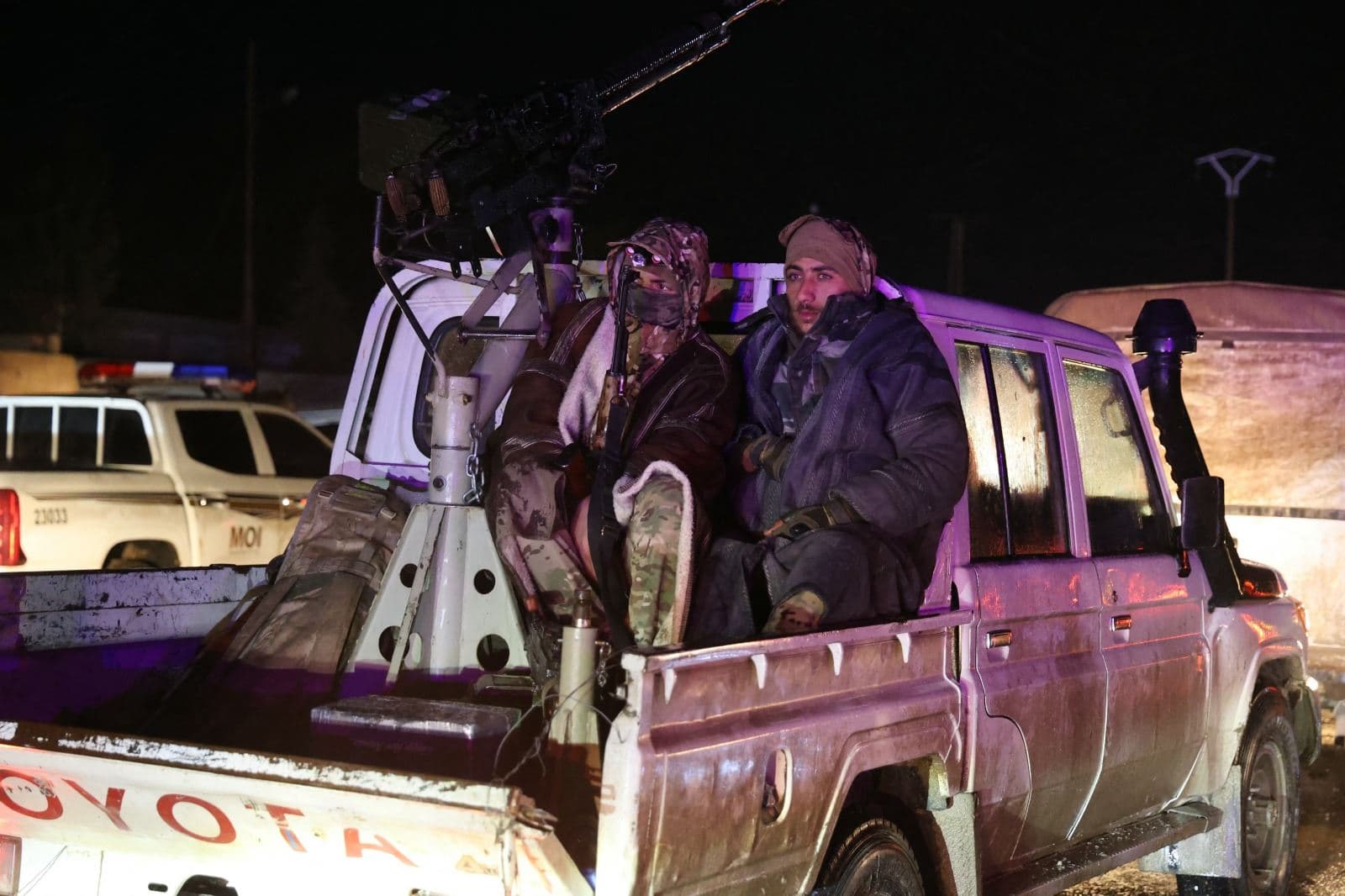

ERBIL, Kurdistan Region - The Syrian Arab Army announced early Friday that it had begun transferring members of the Kurdish-led Syrian Democratic Forces (SDF) from al-Aqtan prison and its surrounding areas in Raqqa province to the city of Kobane, as part of a ceasefire deal.
The move marks the first step in implementing a January 18 agreement under which Syria’s Ministry of Interior is set to assume control of the prison’s administration.
According to the Syrian Arab Army’s Operations Command, government forces escorted SDF fighters to the outskirts of Kobane during the transfer.
The withdrawal followed an appeal by the SDF to the international community and the United States-led Global Coalition against the Islamic State (ISIS) to formally take over the facility. The SDF warned that deteriorating humanitarian and security conditions posed serious risks to both prison guards and detainees, noting that the facility had been under an intense siege by Damascus-affiliated factions for several days.
Chiya Kobane, head of security at al-Aqtan prison, made the appeal in a video message released Thursday, stating that the SDF could no longer sustain operations at the facility and was seeking international guarantees to ensure the safe return of its personnel to areas under its control in northeast Syria.
“We have protected al-Aqtan prison until now, but it has reached its limit,” Kobane said. “Water and electricity have been cut off, fuel is depleted, and food supplies are running low.” He added that the SDF was requesting “an international party to take over the prison so that we can reach our safe zones under international guarantees.”
Since mid-January, the Syrian Arab Army and allied armed groups have advanced into SDF-held areas in eastern Aleppo, as well as parts of Deir ez-Zor, Raqqa, and the predominantly Kurdish Hasaka province.
The escalating tensions have heightened concerns among Kurds in Rojava, particularly amid reports that Damascus-affiliated factions facilitated the escape of a significant number of ISIS members previously held in SDF-run detention facilities.
A ceasefire agreement signed earlier this month, aimed at integrating SDF structures into state institutions, has remained fragile and has been repeatedly violated. Each breakdown has renewed fears of further displacement and broader instability, including threats to ISIS detention facilities and the potential resurgence of the group.
On Tuesday, the Syrian presidency announced that Damascus and the SDF had reached a “mutual understanding” on several issues, granting the SDF a four-day consultation period to develop a detailed plan outlining the practical mechanisms for integrating areas under its control.
The presidency added that if an agreement is finalized, Syrian government forces would refrain from entering the centers of the predominantly Kurdish cities of Hasaka and Qamishli in Rojava, instead remaining on their outskirts.
The SDF has repeatedly accused Damascus-backed groups of breaching the already fragile truce.