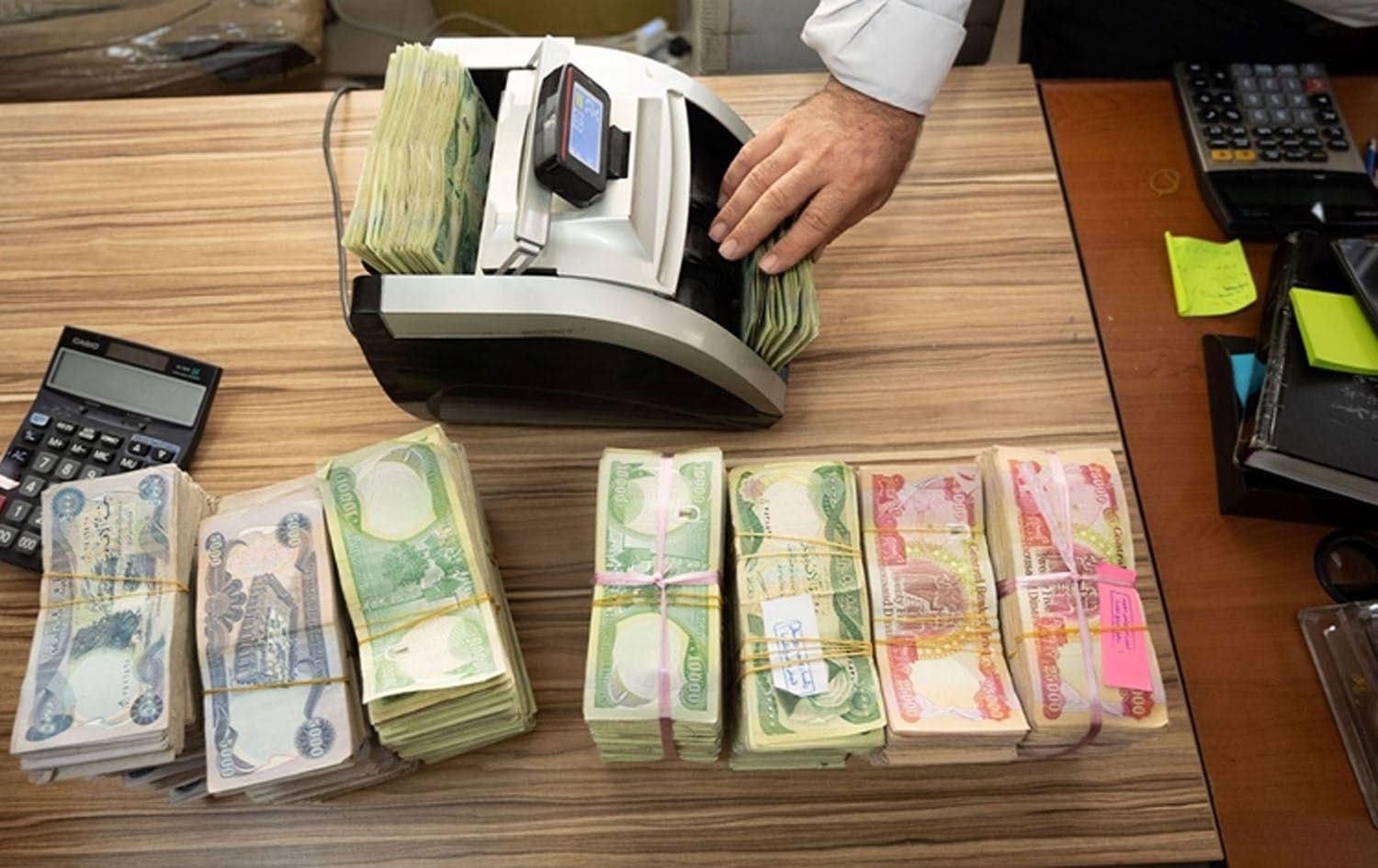
Iraq’s national currency, the dinar, is showing strong signs of recovery, with the market rate steadily approaching the official exchange rate of 1,320 IQD to the US dollar. After a turbulent period of volatility and speculation, this shift signals something deeper than a temporary market correction - it’s the product of deliberate government action, changing trade behaviors, and a structural shift in how Iraqis interact with money.
From chaos to coordination
Until recently, the dinar’s value on the street was largely dictated by informal market players who thrived on gaps between official and parallel exchange rates. But over the past year, the Iraqi government has launched a wide-ranging campaign to take back control by tightening regulation, changing how dollars are accessed, and nudging both businesses and individuals toward official channels.
The government’s decision to ban US dollar transactions for local high-value purchases, especially in real estate and luxury goods, has played a major role in restoring demand for the dinar. Meanwhile, businesses that once relied on the Central Bank’s daily auctions are now required to process foreign payments through correspondent banks, reducing the space for dollar hoarding and speculative arbitrage.
“Speculation is being replaced by structure,” said Mazhar Mohammed Salih, financial advisor to the Iraqi prime minister. “The state has finally begun to set the rules, and the market is responding.”
A new flow of dollars
Beyond regulatory shifts, Iraq’s economy is also undergoing subtle but important changes in how foreign currency flows in and out. The government has started compensating some international contractors in crude oil rather than cash. These companies then sell the oil on global markets and bring the dollars back into Iraq through their own channels - providing the economy with a fresh, non-Central Bank supply of hard currency.
At the same time, Iraq’s role as a re-export hub - once a key driver of black-market demand for dollars - has sharply declined. Stricter oversight at borders and more formal trade practices have undercut the once-lucrative business of reselling goods to countries like Iran, Syria, and Turkey through backdoor channels.
As demand for cash dollars softens, the gap between the official and street rate is closing. And that gap, which for months symbolized inefficiency and mistrust, is now rapidly shrinking.
“There has been a clear shift in behavior,” said Manar al-Obaidi, head of investment firm FFC. “Dollar demand is down, and confidence in the system is creeping back.”
Structural overhaul meets economic cooldown
The current trend is also rooted in longer-term structural changes. Iraq’s economy is gradually becoming more formal. Small traders are getting easier access to official currency rates, electronic payments are on the rise, and retail imports are being managed through cooperatives that use the official rate.
At the same time, Iraq is seeing a slowdown in public spending on infrastructure and large projects - partly a result of fluctuating oil revenues. With fewer imports flooding in, the overall demand for dollars has naturally declined.
“The fundamentals are shifting,” said economist Ahmed Tabaqchali. “There’s a mix of reform and slowdown happening together, and both are cooling the pressure on the currency.”
The road ahead
Iraq's challenge has never been about a lack of resources. With healthy foreign reserves and oil exports still strong, the question has always been whether those resources could be managed transparently and strategically.
Now, for the first time in years, there’s momentum toward that goal. The dinar’s recovery is not just a technical market win - it’s a reflection of rising trust in the state’s ability to regulate and stabilize. Whether this trajectory holds will depend on consistent enforcement, sustained reforms, and the government's ability to shield its progress from political turbulence.
But for now, the message from the market is clear: the dinar is no longer drifting - it’s being steered.
Omar Ahmed is editor-in-chief of Rudaw’s Economy Desk.
The views expressed in this article are those of the author and do not necessarily reflect the position of Rudaw.

From chaos to coordination
Until recently, the dinar’s value on the street was largely dictated by informal market players who thrived on gaps between official and parallel exchange rates. But over the past year, the Iraqi government has launched a wide-ranging campaign to take back control by tightening regulation, changing how dollars are accessed, and nudging both businesses and individuals toward official channels.
The government’s decision to ban US dollar transactions for local high-value purchases, especially in real estate and luxury goods, has played a major role in restoring demand for the dinar. Meanwhile, businesses that once relied on the Central Bank’s daily auctions are now required to process foreign payments through correspondent banks, reducing the space for dollar hoarding and speculative arbitrage.
“Speculation is being replaced by structure,” said Mazhar Mohammed Salih, financial advisor to the Iraqi prime minister. “The state has finally begun to set the rules, and the market is responding.”
A new flow of dollars
Beyond regulatory shifts, Iraq’s economy is also undergoing subtle but important changes in how foreign currency flows in and out. The government has started compensating some international contractors in crude oil rather than cash. These companies then sell the oil on global markets and bring the dollars back into Iraq through their own channels - providing the economy with a fresh, non-Central Bank supply of hard currency.
At the same time, Iraq’s role as a re-export hub - once a key driver of black-market demand for dollars - has sharply declined. Stricter oversight at borders and more formal trade practices have undercut the once-lucrative business of reselling goods to countries like Iran, Syria, and Turkey through backdoor channels.
As demand for cash dollars softens, the gap between the official and street rate is closing. And that gap, which for months symbolized inefficiency and mistrust, is now rapidly shrinking.
“There has been a clear shift in behavior,” said Manar al-Obaidi, head of investment firm FFC. “Dollar demand is down, and confidence in the system is creeping back.”
Structural overhaul meets economic cooldown
The current trend is also rooted in longer-term structural changes. Iraq’s economy is gradually becoming more formal. Small traders are getting easier access to official currency rates, electronic payments are on the rise, and retail imports are being managed through cooperatives that use the official rate.
At the same time, Iraq is seeing a slowdown in public spending on infrastructure and large projects - partly a result of fluctuating oil revenues. With fewer imports flooding in, the overall demand for dollars has naturally declined.
“The fundamentals are shifting,” said economist Ahmed Tabaqchali. “There’s a mix of reform and slowdown happening together, and both are cooling the pressure on the currency.”
The road ahead
Iraq's challenge has never been about a lack of resources. With healthy foreign reserves and oil exports still strong, the question has always been whether those resources could be managed transparently and strategically.
Now, for the first time in years, there’s momentum toward that goal. The dinar’s recovery is not just a technical market win - it’s a reflection of rising trust in the state’s ability to regulate and stabilize. Whether this trajectory holds will depend on consistent enforcement, sustained reforms, and the government's ability to shield its progress from political turbulence.
But for now, the message from the market is clear: the dinar is no longer drifting - it’s being steered.
Omar Ahmed is editor-in-chief of Rudaw’s Economy Desk.
The views expressed in this article are those of the author and do not necessarily reflect the position of Rudaw.
Comments
Rudaw moderates all comments submitted on our website. We welcome comments which are relevant to the article and encourage further discussion about the issues that matter to you. We also welcome constructive criticism about Rudaw.
To be approved for publication, however, your comments must meet our community guidelines.
We will not tolerate the following: profanity, threats, personal attacks, vulgarity, abuse (such as sexism, racism, homophobia or xenophobia), or commercial or personal promotion.
Comments that do not meet our guidelines will be rejected. Comments are not edited – they are either approved or rejected.
Post a comment