


A trauma does not end with the last shot. Silence after war is never silent, it is filled with echoes. The real battle continues where the noise subsides: in the dreams of the survivors, in their trembling bodies, in the fragile ties of families, in the shadows of collective memory. War, displacement, persecution - they leave behind more than ruins. They leave traces that mark generations, scars invisible yet burning. They lodge themselves in nerves, in memory, in bloodlines. Today’s pain becomes tomorrow’s fear, unless we dare to face it.
But we are not powerless. Healing is possible. Humanity is not condemned to endless repetition. We can understand. We can transform.
My own life bears witness to this truth. The fear of my grandparents, the uncertainty of my parents, never told in words, yet ever present like an atmosphere in the room: restlessness, estrangement, silence. And yet, from this silence emerged an insight. A person is never reduced to what has been done to them. Not to fear, not to origin, not to loss.
A person is not their past. They are always more. They are possibility, connection, hope.
Healing, however, is never solitary. Medicine soothes, but it does not suffice. Healing needs human presence. It needs safety. It needs community. I have sat with women who endured sexual violence, with men who were tortured, with children who knew only violence because they had never seen tenderness. And again and again I did not only see pain. I saw resilience, the fragile yet stubborn decision not to be defined by the horror. Their demand is simple. They ask for what should be beyond debate: dignity, protection, a place in the world.
History repeats its brutal lesson. Again and again, people are persecuted, stripped of rights, expelled, murdered. Not for what they did, but for who they were. Genocide is no accident. It follows a script: turn the other into an object so that their death can be justified. At its core lies the murder of empathy. One must learn not to see the other as a human being in order to destroy them. Dehumanization is not only ideology, it is also the shield of the perpetrator. For if we truly felt in the other what we feel in ourselves, we could not kill. We would remain human, with compassion, remorse, responsibility.
But genocide does not only take lives. It rips communities out of the fabric of history. It leaves behind absence, silence, paralysis. Survivors carry the unspeakable in their bodies, their gaze, their fear. To face this, more than gestures are required. It needs active memory. Political recognition. Social protection. Without them, pain remains private and societies collapse inward.
And what then is peace?
Too often we reduce it to treaties, zones, negotiations. But true peace begins much earlier - when we meet one another as human beings. When no passport, no religion, no accent decides who belongs. When the other is not a threat but a possibility of relation. This peace is global or it is not at all. In Turkey, minorities fight for language and memory. In Syria, communities fractured by war still manage to coexist in everyday life. In Africa, the ghosts of colonialism still haunt. In South America, indigenous cultures are silenced by profit and power.
And in the West? A slow erosion of empathy. Nationalism rising like a fever. Suspicion replacing solidarity. Words dividing the world into “us” and “them.” Rhetoric that disguises indifference as strength.
But the price is high. Whoever shuts themselves away loses openness. Whoever fears difference loses richness. Whoever buries empathy loses their own humanity. Peace begins in each of us, with the decision not to live in fear, but in responsibility. Not in hostility, but in relation. Not in cynicism, but in hope.
In war zones, in clinics, in conversations with survivors, I have seen the unspeakable. Yet always I return to the same astonishment: those who choose life despite it all, those who still reach out to others, those who keep compassion alive. I remember a woman whose child was tortured in the sun by soldiers. She asked me: “Why do people do such things?” I had no answer. Only another question in silence: “Why do others help despite everything?” Both are true. Humans destroy and humans heal. They forget and they remember.
Tolstoy once wrote: “Whoever invents pain is alive. Whoever feels the pain of others is human.” This sentence condenses an entire truth: suffering can isolate us, but compassion binds us. To be human is not merely to survive one’s own wounds, but to open oneself to those of others.
Humanity is not a lofty ideal. It is resistance. Resistance against indifference, against silence, against numbness. It is the quiet decision to stay turned toward the other, even when it hurts. To heal is to remember. To remember is to remain human. And to remain human is to help others to be so as well.
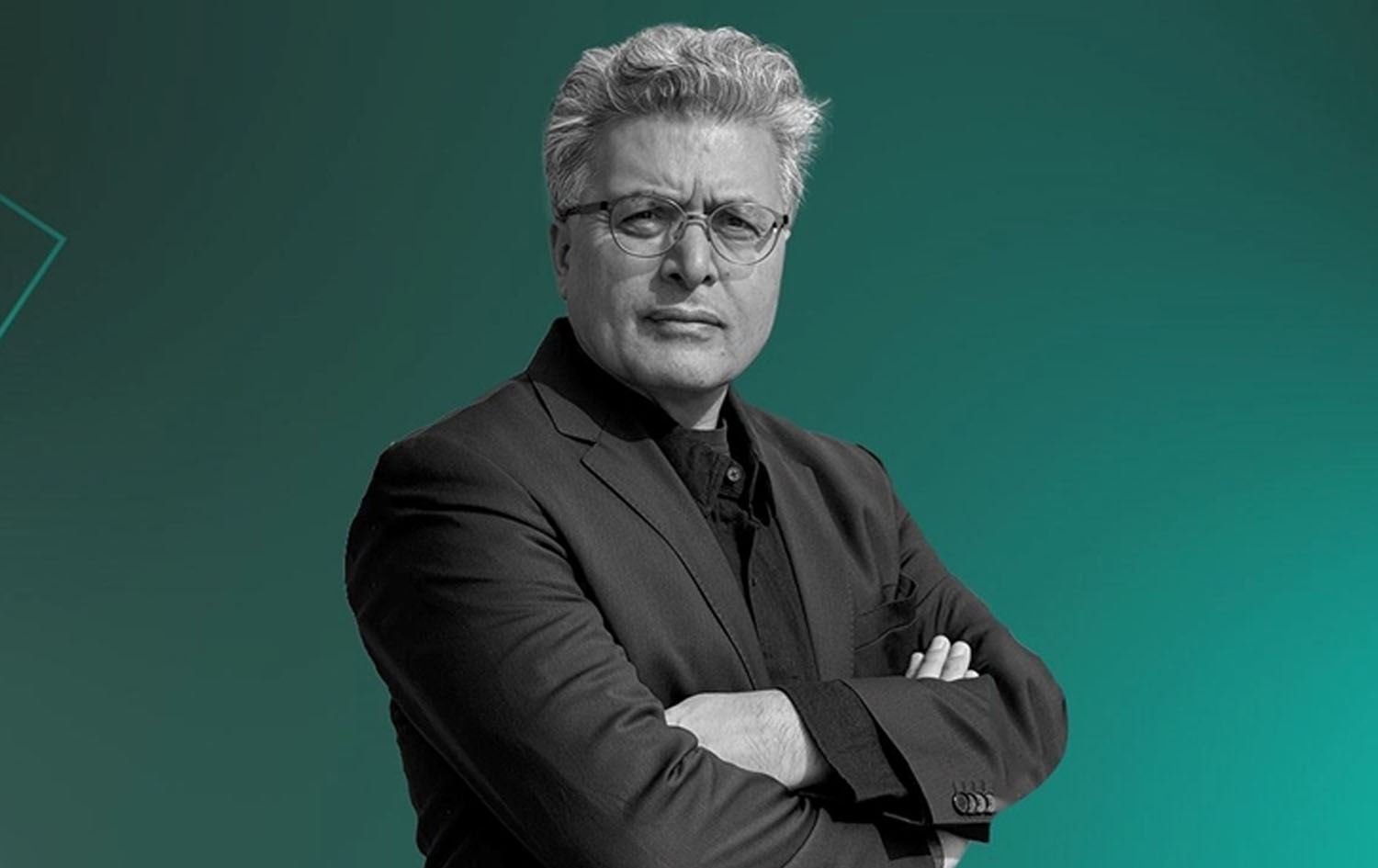
Dr. Jan Ilhan Kizilhan is a psychologist, author and publisher, an expert in psychotraumatology, trauma, terror and war, transcultural psychiatry, psychotherapy and migration.
The views expressed in this article are those of the author and do not necessarily reflect the position of Rudaw.
But we are not powerless. Healing is possible. Humanity is not condemned to endless repetition. We can understand. We can transform.
My own life bears witness to this truth. The fear of my grandparents, the uncertainty of my parents, never told in words, yet ever present like an atmosphere in the room: restlessness, estrangement, silence. And yet, from this silence emerged an insight. A person is never reduced to what has been done to them. Not to fear, not to origin, not to loss.
A person is not their past. They are always more. They are possibility, connection, hope.
Healing, however, is never solitary. Medicine soothes, but it does not suffice. Healing needs human presence. It needs safety. It needs community. I have sat with women who endured sexual violence, with men who were tortured, with children who knew only violence because they had never seen tenderness. And again and again I did not only see pain. I saw resilience, the fragile yet stubborn decision not to be defined by the horror. Their demand is simple. They ask for what should be beyond debate: dignity, protection, a place in the world.
History repeats its brutal lesson. Again and again, people are persecuted, stripped of rights, expelled, murdered. Not for what they did, but for who they were. Genocide is no accident. It follows a script: turn the other into an object so that their death can be justified. At its core lies the murder of empathy. One must learn not to see the other as a human being in order to destroy them. Dehumanization is not only ideology, it is also the shield of the perpetrator. For if we truly felt in the other what we feel in ourselves, we could not kill. We would remain human, with compassion, remorse, responsibility.
But genocide does not only take lives. It rips communities out of the fabric of history. It leaves behind absence, silence, paralysis. Survivors carry the unspeakable in their bodies, their gaze, their fear. To face this, more than gestures are required. It needs active memory. Political recognition. Social protection. Without them, pain remains private and societies collapse inward.
And what then is peace?
Too often we reduce it to treaties, zones, negotiations. But true peace begins much earlier - when we meet one another as human beings. When no passport, no religion, no accent decides who belongs. When the other is not a threat but a possibility of relation. This peace is global or it is not at all. In Turkey, minorities fight for language and memory. In Syria, communities fractured by war still manage to coexist in everyday life. In Africa, the ghosts of colonialism still haunt. In South America, indigenous cultures are silenced by profit and power.
And in the West? A slow erosion of empathy. Nationalism rising like a fever. Suspicion replacing solidarity. Words dividing the world into “us” and “them.” Rhetoric that disguises indifference as strength.
But the price is high. Whoever shuts themselves away loses openness. Whoever fears difference loses richness. Whoever buries empathy loses their own humanity. Peace begins in each of us, with the decision not to live in fear, but in responsibility. Not in hostility, but in relation. Not in cynicism, but in hope.
In war zones, in clinics, in conversations with survivors, I have seen the unspeakable. Yet always I return to the same astonishment: those who choose life despite it all, those who still reach out to others, those who keep compassion alive. I remember a woman whose child was tortured in the sun by soldiers. She asked me: “Why do people do such things?” I had no answer. Only another question in silence: “Why do others help despite everything?” Both are true. Humans destroy and humans heal. They forget and they remember.
Tolstoy once wrote: “Whoever invents pain is alive. Whoever feels the pain of others is human.” This sentence condenses an entire truth: suffering can isolate us, but compassion binds us. To be human is not merely to survive one’s own wounds, but to open oneself to those of others.
Humanity is not a lofty ideal. It is resistance. Resistance against indifference, against silence, against numbness. It is the quiet decision to stay turned toward the other, even when it hurts. To heal is to remember. To remember is to remain human. And to remain human is to help others to be so as well.
Dr. Jan Ilhan Kizilhan is a psychologist, author and publisher, an expert in psychotraumatology, trauma, terror and war, transcultural psychiatry, psychotherapy and migration.
The views expressed in this article are those of the author and do not necessarily reflect the position of Rudaw.


Comments
Rudaw moderates all comments submitted on our website. We welcome comments which are relevant to the article and encourage further discussion about the issues that matter to you. We also welcome constructive criticism about Rudaw.
To be approved for publication, however, your comments must meet our community guidelines.
We will not tolerate the following: profanity, threats, personal attacks, vulgarity, abuse (such as sexism, racism, homophobia or xenophobia), or commercial or personal promotion.
Comments that do not meet our guidelines will be rejected. Comments are not edited – they are either approved or rejected.
Post a comment