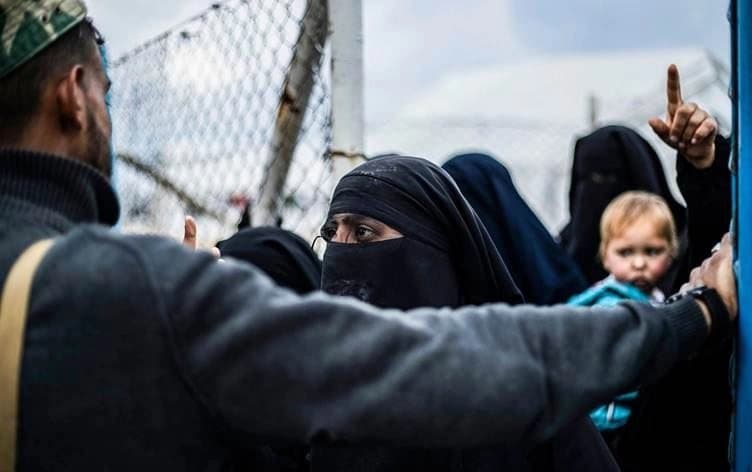
ERBIL, Kurdistan Region — The United Kingdom is "failing to protect" women and children trafficked by the Islamic State (ISIS) group and detained in northeastern Syria (Rojava), according to a new report. UK-based advocacy group Reprieve has found that at least 63% of British women detained indefinitely at destitute camps in Rojava have been trafficked, they say in their new report. ISIS has groomed hundreds of women and girls using common trafficking tactics, convincing them to travel to their territory, only to be subjected to forced marriage, sex slavery, and various other abuses. Al-Hol camp houses an estimated 61,000 people from dozens of countries, the majority of whom are family members of suspected Islamic State (ISIS) fighters. They have been interned in the camp since the territorial defeat of the group two years ago. Two thirds of the camp’s population are children. The camp has been described as a humanitarian disaster and a potential breeding ground for extremism. The non-governmental organization argues that the UK is failing to proactively prevent trafficking and identify those of its citizens already trafficked. It says that the country is operating on an “inaccurate legal definition of human trafficking” and a “blanket approach based on harmful stereotypes” when making decisions in respect of British nationals in Rojava. The report outlines the story of Nadia, who was taken to Syria from the UK by a male relative at the age of 12. After being forced into marriage, she became pregnant at 15 as a result of rape. Both Nadia and her son are being held in camps and have no prospects of returning to the UK. “These are victims who have been abandoned. I find it cruel, callous and cynical,” Maya Foa, Reprieve’s director, said in the report. Kurdish and foreign authorities have continuously called on foreign states to repatriate their children, reissuing an appeal last month as security in the camp deteriorates. The United Nations in February called on 57 member states to repatriate their nationals from the camps. Relatives of women and children held at al-Hol and the smaller Roj camp have also campaigned for their repatriation, even undergoing hunger strikes.
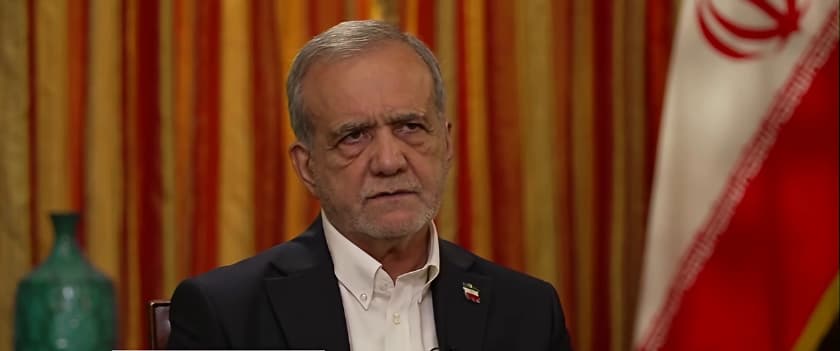
World25-09-2026Iranian president says will ‘dilute’ 60 percent uranium enrichment, denies nuclear bomb ambition