



Error occured during this request! Please try again later.
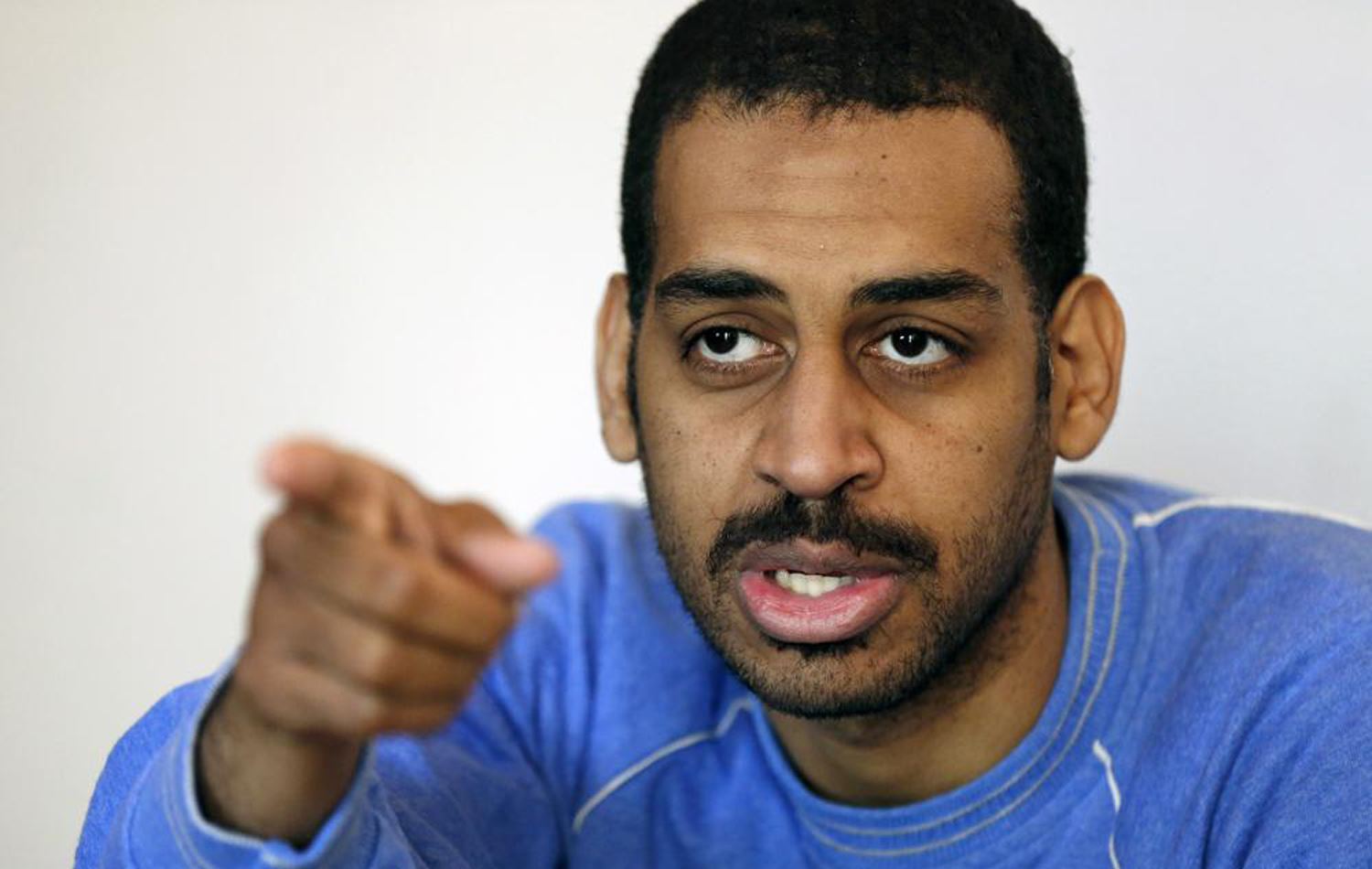
ERBIL, Kurdistan Region — An Islamic State (ISIS) militant is to face life imprisonment after he pleaded guilty to having a role in the death of a number of Americans and other foreign nationals through a hostage taking scheme in Syria, the United States Department of Justice said on Thursday.
Between November 2012 and February 2015, Alexanda Amon Kotey, a former British citizen and ISIS member, “specifically participated in the seizure, detention and hostage negotiations of four American citizens, each of whom died as hostages in ISIS custody,” reads a statement from the Department of Justice. Two of the citizens were journalists, an aid worker, and one activist.
Kotey was also involved in hostage operations involving Italian, British, Dutch, and German nationals, and the murder of two British and two Japanese citizens, it added.
ISIS controlled swathes of Iraq and Syria in 2014 but it was territorially defeated in 2017 and 2019 respectively. However, the militants continue to carry out bombings, hit-and-run attacks, and abductions on both sides of the border.
In addition to committing physical and psychological violence against hostages, Kotey and his partners also forced them to witness the execution of other prisoners, according to the statement.
Kotey is one of four ISIS members who were dubbed "the Beatles" by their captives because of their British accents. He and his alleged partner El Shafee Elsheikh were captured in 2018 together in an escape attempt to Turkey where a third member is serving a prison sentence. The fourth ISIS member was killed in a drone attack in 2015.
According to a 2018 study conducted by the International Centre for the Study of Radicalization (ICSR), more than 41,000 foreign nationals joined ISIS in Iraq and Syria between April 2013 and June 2018.
In 2019, the multi-ethnic Syrian Democratic Forces (SDF) said some 12,000 ISIS suspects were held in seven prisons in northeastern Syria, 4,000 of them are estimated to be foreigners.


Comments
Rudaw moderates all comments submitted on our website. We welcome comments which are relevant to the article and encourage further discussion about the issues that matter to you. We also welcome constructive criticism about Rudaw.
To be approved for publication, however, your comments must meet our community guidelines.
We will not tolerate the following: profanity, threats, personal attacks, vulgarity, abuse (such as sexism, racism, homophobia or xenophobia), or commercial or personal promotion.
Comments that do not meet our guidelines will be rejected. Comments are not edited – they are either approved or rejected.
Post a comment