World
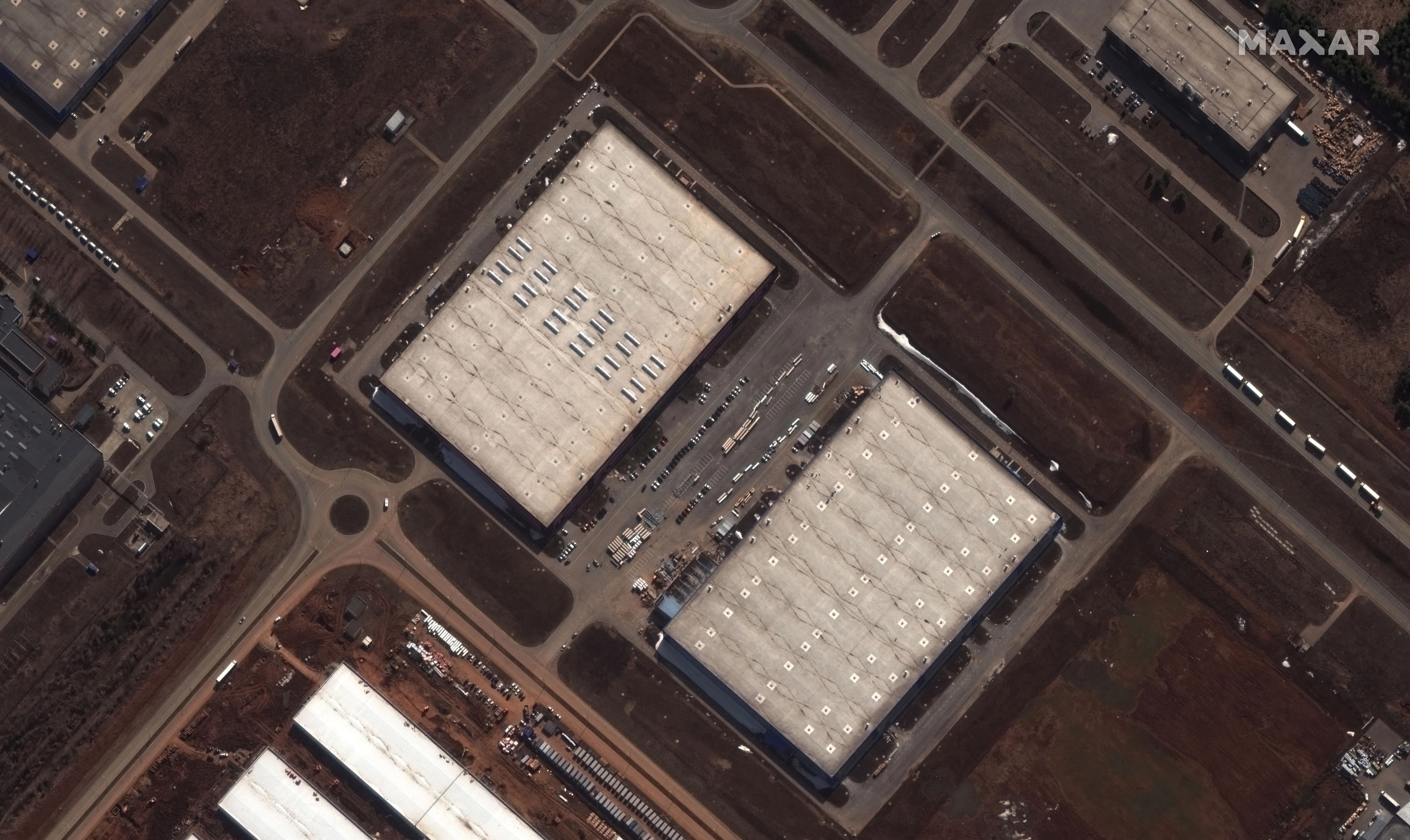
This image, provided by MAXAR and released by The White House, allegedly shows an industrial site in Russia where Washington believes Moscow is building a factory to produce UAVs with the help of Tehran. Photo: via AFP
ERBIL, Kurdistan Region - The White House on Friday said the military cooperation between Moscow and Tehran appears to be “deepening” with Iran providing Russia with hundreds of drones and the two working together to build drones in Russia.
“Russia has been using Iranian UAVs [uncrewed aerial vehicles] in recent weeks to strike Kyiv and terrorize the Ukrainian population, and the Russia-Iran military partnership appears to be deepening,” said White House spokesperson John Kirby, citing newly declassified information.
The drones were manufactured in Iran and shipped to Russia across the Caspian Sea, but Kirby said Washington is “also concerned that Russia is working with Iran to produce Iranian UAVs from inside Russia.”
The White House released satellite imagery of what Kirby said was the planned location for a drone factory in Russia’s Alabuga Special Economic Zone east of Moscow. He said the US expects the plant will be fully operational by early next year.
In exchange, Russia has offered Iran billions of dollars in military equipment and cooperation on missiles, air defense, and electronics, said Kirby.
"This is a full-scale defense partnership that is harmful to Ukraine, to Iran’s neighbors, and to the international community. We are continuing to use all the tools at our disposal to expose and disrupt these activities including by sharing this with the public - and we are prepared to do more,” he said.
Iran’s drone program is under US sanctions and the State Department on Friday published an advisory stating, “It is critical that the private sector be vigilant in meeting its legal obligations vis-a-vis Iran’s development of UAVs and associated components procurement and doing its part to prevent any activities that would further the development of Iran’s destabilizing and dangerous UAV program.”
Responding to accusations that its drones were used in Ukraine, Tehran has said that it supplied Russia with drones before the war, but not after the conflict began more than a year ago.

“Russia has been using Iranian UAVs [uncrewed aerial vehicles] in recent weeks to strike Kyiv and terrorize the Ukrainian population, and the Russia-Iran military partnership appears to be deepening,” said White House spokesperson John Kirby, citing newly declassified information.
The drones were manufactured in Iran and shipped to Russia across the Caspian Sea, but Kirby said Washington is “also concerned that Russia is working with Iran to produce Iranian UAVs from inside Russia.”
The White House released satellite imagery of what Kirby said was the planned location for a drone factory in Russia’s Alabuga Special Economic Zone east of Moscow. He said the US expects the plant will be fully operational by early next year.
In exchange, Russia has offered Iran billions of dollars in military equipment and cooperation on missiles, air defense, and electronics, said Kirby.
"This is a full-scale defense partnership that is harmful to Ukraine, to Iran’s neighbors, and to the international community. We are continuing to use all the tools at our disposal to expose and disrupt these activities including by sharing this with the public - and we are prepared to do more,” he said.
Iran’s drone program is under US sanctions and the State Department on Friday published an advisory stating, “It is critical that the private sector be vigilant in meeting its legal obligations vis-a-vis Iran’s development of UAVs and associated components procurement and doing its part to prevent any activities that would further the development of Iran’s destabilizing and dangerous UAV program.”
Responding to accusations that its drones were used in Ukraine, Tehran has said that it supplied Russia with drones before the war, but not after the conflict began more than a year ago.
Comments
Rudaw moderates all comments submitted on our website. We welcome comments which are relevant to the article and encourage further discussion about the issues that matter to you. We also welcome constructive criticism about Rudaw.
To be approved for publication, however, your comments must meet our community guidelines.
We will not tolerate the following: profanity, threats, personal attacks, vulgarity, abuse (such as sexism, racism, homophobia or xenophobia), or commercial or personal promotion.
Comments that do not meet our guidelines will be rejected. Comments are not edited – they are either approved or rejected.
Post a comment