

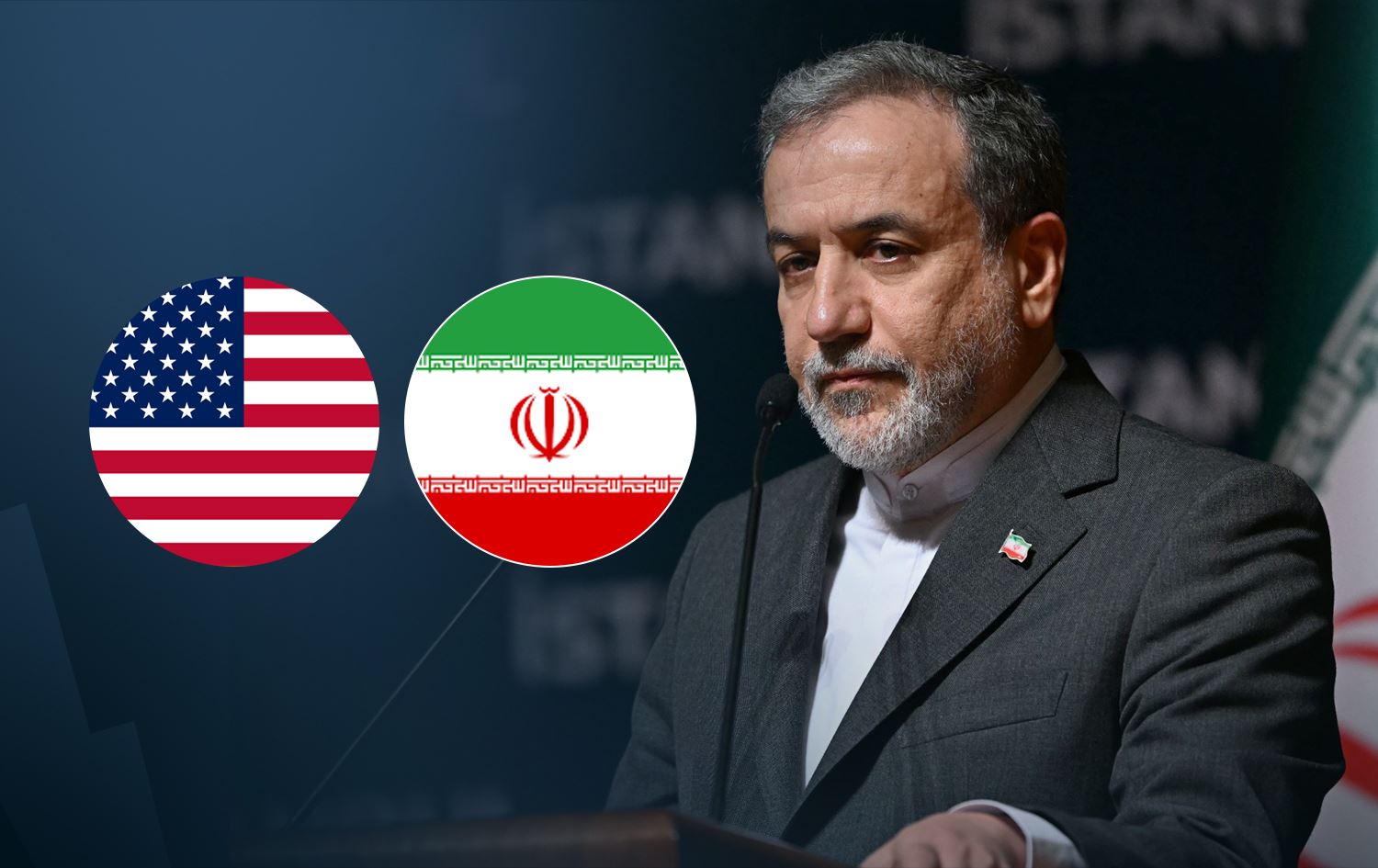
ERBIL, Kurdistan Region - Iranian Foreign Minister Abbas Araghchi said Sunday that Tehran has not seen any positive attitude from the American side to pave the way for the restart of stalled nuclear talks.
“Negotiations are possible whenever Americans are ready for equitable negotiations for both sides,” Araghchi told reporters after a cabinet meeting on Sunday, adding that there is “no positive or constructive attitude” from the American side.
Iran and the US had held five rounds of Oman-mediated indirect nuclear talks before Israel attacked the Islamic republic in June, which effectively ended the negotiations, especially after US President Donald Trump decided to join Israel in striking Iran.
Washington on June 24 brokered a ceasefire to the 12-day war between Israel and Iran, and Iranian Supreme Leader Ayatollah Ali Khamenei later declared victory, claiming that Trump had exaggerated the destruction caused by US military strikes on Iranian nuclear facilities.
Trump claimed on Thursday that Iran had been asking if his administration's sanctions on Tehran can be lifted.
"Iran has been asking if the sanctions could be lifted. Iran has got very heavy U.S. sanctions, and it makes it really hard for them to do what they'd like to be able to do. And I'm open to hearing that, and we'll see what happens, but I would be open to it," he told reporters late at the White House.
Khamenei said earlier this month that Tehran would only consider cooperation with the United States if it changed its policy in the region, including supporting Israel.
"If they completely abandon support for the Zionist regime, withdraw their military bases from here [the region], and refrain from interfering in this region, then it [cooperation] can be considered," said Khamenei. "The arrogant nature of the United States accepts nothing other than submission.”
Under a 2015 nuclear deal with world powers - formally known as the Joint Comprehensive Plan of Action (JCPOA) - Iran agreed to curb its nuclear enrichment program in exchange for much-needed relief from crippling sanctions.
But the deal began unraveling in 2018 when Washington, under Trump’s first term, unilaterally withdrew from the accord and reimposed biting sanctions on the Islamic republic, which in turn began rolling back on its nuclear commitments.


Comments
Rudaw moderates all comments submitted on our website. We welcome comments which are relevant to the article and encourage further discussion about the issues that matter to you. We also welcome constructive criticism about Rudaw.
To be approved for publication, however, your comments must meet our community guidelines.
We will not tolerate the following: profanity, threats, personal attacks, vulgarity, abuse (such as sexism, racism, homophobia or xenophobia), or commercial or personal promotion.
Comments that do not meet our guidelines will be rejected. Comments are not edited – they are either approved or rejected.
Post a comment